






More Visitors Arrive in Bali, But Stay Periods Shorten Amid Global Uncertainty
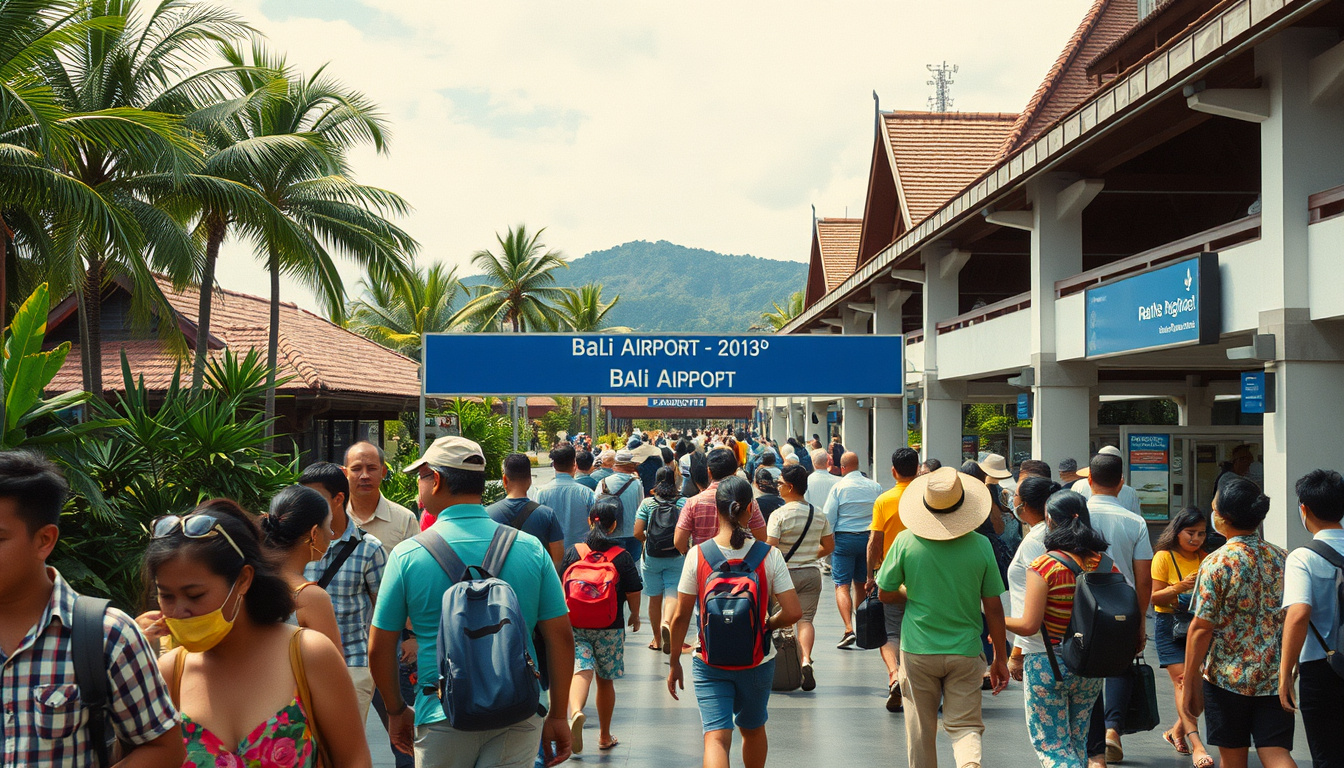
Bali’s tourism sector is experiencing a notable trend: while the number of visitors continues to rise steadily, the length of their stays is noticeably decreasing. This shift, highlighted in recent data on hotel bookings and tourist arrivals, reflects changing travel behaviors influenced by global economic and geopolitical factors.
Shortened Booking and Stay Periods
Traditionally, tourists booked their Bali holidays as much as six months in advance. Now, travelers are making plans with much less lead time—approximately three months ahead—indicating a move towards more spontaneous travel decisions. According to industry observers, this change is largely driven by the unpredictable global environment.
Ferry Salanto, Head of Research for Property Consultants Colliers Indonesia, commented on the trend, noting that this is not a temporary phenomenon but rather suggests a fundamental shift in how holiday choices are made. The uncertainty surrounding airfares, political tensions, and economic instability has created a more flexible and adaptive traveler profile that prefers shorter, last-minute stays over extended vacations.
Tourism Statistics Reflect Mixed Signals
Data from the Bali Provincial Central Statistics Agency (BPS-Bali) provides a mixed outlook. In April 2025, foreign tourist arrivals reached 591,221, marking a significant 25.56% increase from the previous month. Australia remains the dominant source market, accounting for 23.59% of visitors, followed by India, China, South Korea, and Malaysia.
However, despite rising numbers of visitors, hotel data reveal declining occupancy trends. Star-rated hotels saw their room occupancy rates dip to 58.10% in May 2025, a slight uptick from April but notably lower than the 66.10% occupancy recorded in May of the previous year. Non-star-rated hotels showed only marginal improvements, with occupancy rates hovering around 43%.
Industry Challenges and Outlook
The tourism industry must navigate several challenges contributing to these dynamics. Higher domestic airfare prices and government policies that restrict official business travel have further complicated hotel management strategies. Salanto explained that these factors, combined with shorter booking windows, make it difficult for hotels to establish competitive pricing and maintain steady occupancy.
Despite these hurdles, Bali’s tourism sector remains optimistic, buoyed by increasing visitor numbers and sustained international interest. However, stakeholders acknowledge that adapting to the evolving travel habits and external uncertainties will be critical for long-term resilience.
Conclusion
Bali’s tourism recovery continues, marked by growing visitor arrivals albeit with shorter stays and last-minute bookings. As global conditions evolve, Bali’s hospitality sector faces the task of adjusting to shifting demand patterns and maintaining its appeal in a competitive travel landscape. The current trends underscore the importance of flexibility and innovation to meet the changing needs of today’s tourists.



Add a comment