

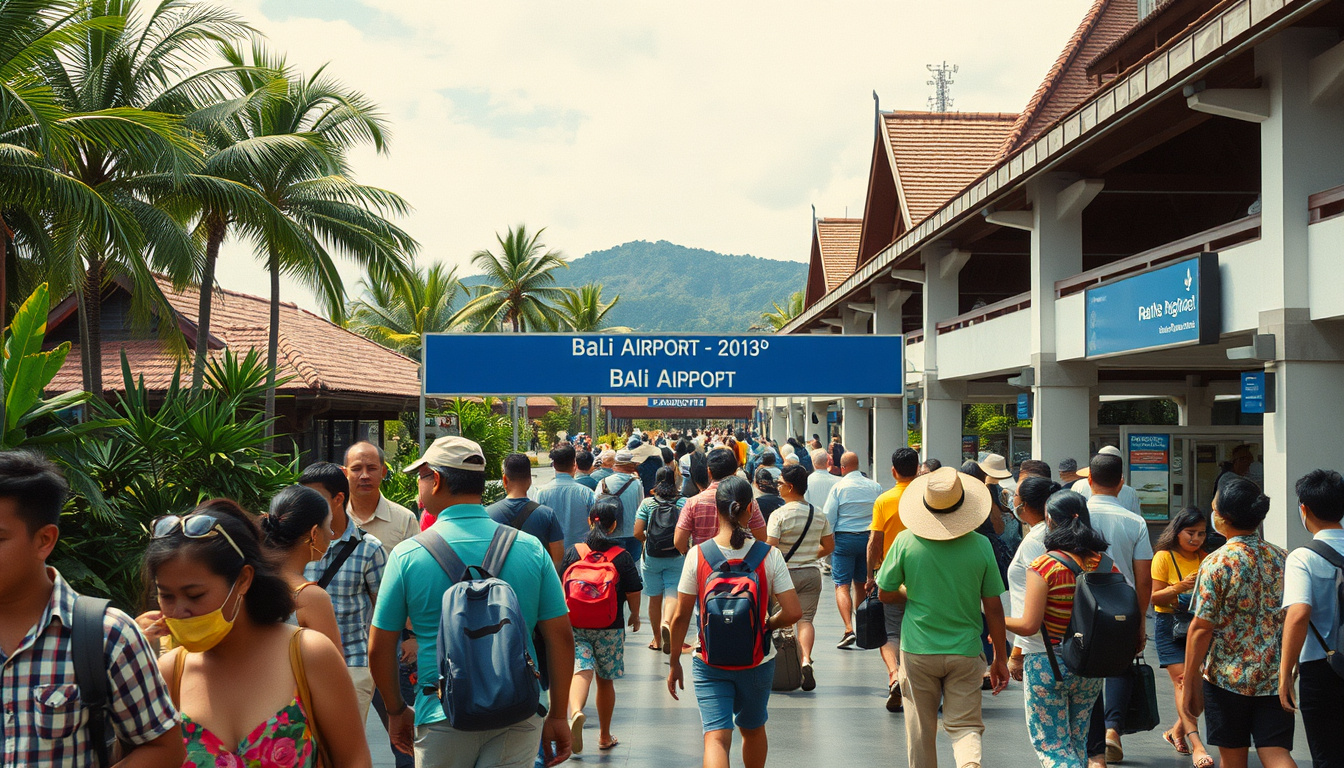






Bali Officials Reassure Tourists of Safety Amid Civil Unrest and Introduce New Arrival Protocols
In the wake of recent civil unrest across Indonesia, including protests in Bali’s capital city, Denpasar, local authorities have emphasized that the island remains safe for tourists. Despite disturbances and heightened security measures, Bali’s leaders seek to reassure travelers that tourism activities continue largely unaffected.
Recent Unrest and Safety Concerns
Indonesia has experienced a wave of violent protests over the past week, sparked by public opposition to perceived political elitism. The unrest began in Jakarta last Thursday, where demonstrators set fire to buildings and vehicles. Over the weekend, the protests intensified and spread to other major cities, including Denpasar, a key tourist hub in Bali.
Tensions escalated as protesters gathered outside a major police station, throwing rocks at riot police and police vehicles. Authorities arrested at least 158 people during these events. Tragically, the protests resulted in the deaths of at least six individuals nationwide.
Government and Industry Responses
In light of the disturbances, the Australian government and several others have issued travel advisories recommending heightened caution for visitors to Indonesia. The Australian Smartraveller website advises travelers to exercise a “high degree of caution,” highlighting the potential for violence and disruptions to traffic in major cities including Denpasar.
However, local tourism officials have stated that these advisories are precautionary rather than indicative of any official travel ban. Putu Winastra, chairman of the Indonesian Travel Agencies Association, told the Bali Post that “a travel warning is a normal thing, a notification of the current situation… It’s not forbidden.”
Importance of Tourism to Bali
Tourism is a critical pillar of Bali’s economy, accounting for more than 50 percent of economic activity according to The Jakarta Post. In 2024, Bali attracted approximately 6.3 million foreign visitors, exceeding the island’s population of 4.5 million. Australian tourists constitute the largest group of international visitors, making up 23 percent of arrivals in May this year, based on data from the Bali Central Bureau of Statistics.
Recognizing the vital economic role that tourism plays, Bali Traditional Village Council Chairman Ida Penglingsir Agung Putra Sukahet emphasized the need for calm. “Bali is highly dependent on tourism. Therefore, it is crucial that we gather rather than anticipate demonstrations that could turn chaotic,” he remarked.
A Show of Peace and Security
To affirm the island’s commitment to safety, Balinese Governor Wayan Koster led thousands of Pecalang—traditional village security guards—in a mass rally at Niti Mandala Renon Field in Denpasar on Monday. The event, which drew national attention through coverage by daily Kompas, featured demonstrators chanting “Bali is peaceful” in a unified message to both locals and visitors.
New Arrival Protocols for Travelers
Alongside these reassurance efforts, Indonesian authorities have introduced updated entry procedures aimed at streamlining traveler information and improving health and security screenings. Effective September 1, all international visitors arriving at key Indonesian airports, including Ngurah Rai International Airport in Bali, must complete a new, centralized declaration form known as the “All Indonesia” arrival card.
This digital form replaces multiple previous forms related to health, customs, immigration, and quarantine. It must be completed online three days prior to arrival and includes details about travel plans, accommodation, and transportation. From October 1, the requirement will extend to all international airports and ferry terminals nationwide.
Travelers from Australia and elsewhere will still need to obtain an e-Visa on Arrival (e-VOA) at least 48 hours before travelling. Both the arrival card and e-VOA applications are accessible via the new All Indonesia website.
Conclusion
Despite the recent political unrest and changes to arrival procedures, Bali’s leadership and tourism officials continue to promote the island as a safe and welcoming destination for travelers. With a strong emphasis on security and public order, authorities intend to preserve Bali’s reputation as a top international tourist hotspot amid challenging times.
Visitors planning to journey to Bali are advised to stay informed of official updates, comply with new entry requirements, and exercise the usual travel prudence amid evolving circumstances.



Add a comment