





Bali to Remain at the Forefront of Indonesia’s Tourism Development with Sustainable Growth
Indonesian officials have reaffirmed Bali’s position as the centerpiece of the country’s tourism development strategy, emphasizing the island’s ongoing prominence amid Indonesia’s broader efforts to promote travel across its vast archipelago. While other regions of Indonesia are increasingly gaining attention for their unique attractions, Bali’s rich cultural heritage, well-developed tourist infrastructure, and natural beauty continue to make it the nation’s premier destination for both international and domestic travelers.
Bali’s Enduring Appeal as Indonesia’s Tourism Hub
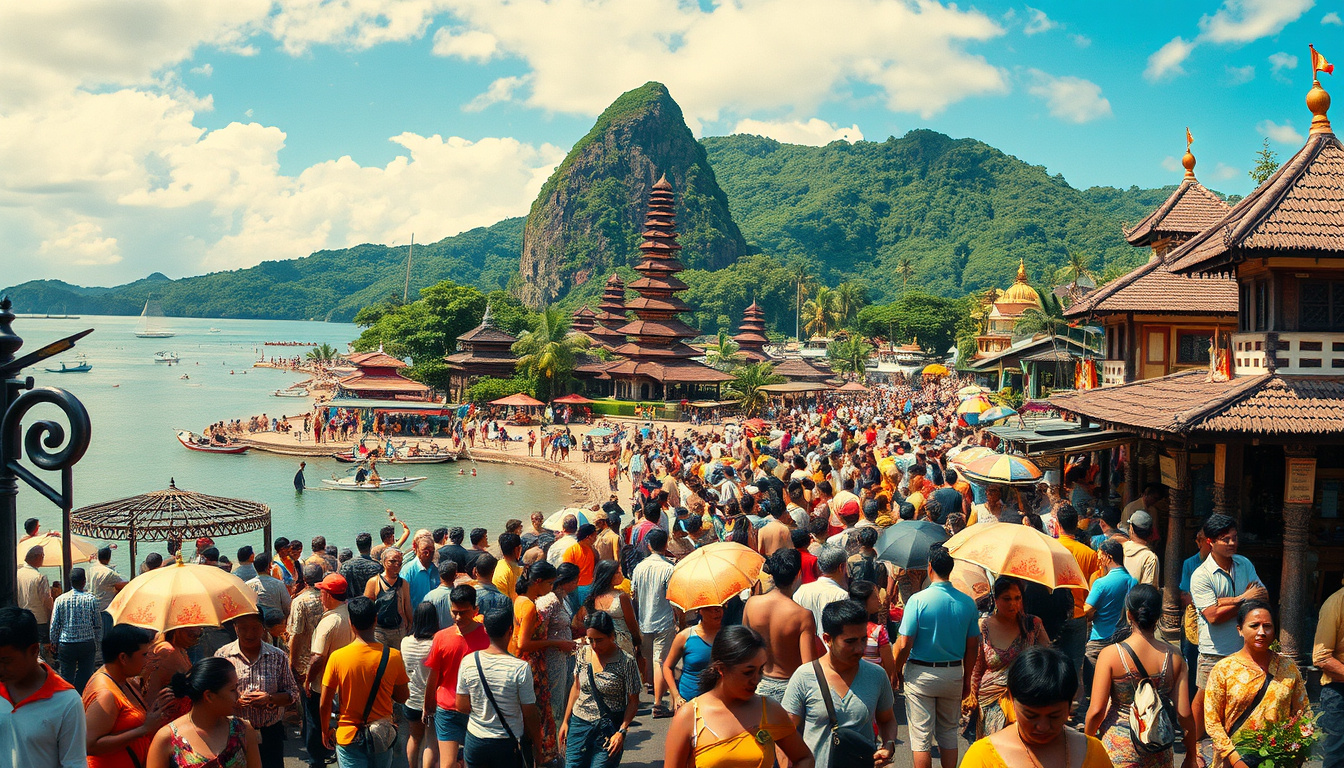
Bali attracts millions of tourists annually with its stunning beaches, vibrant cultural performances, scenic rice terraces, and hospitable atmosphere. Indonesian government representatives highlighted that, despite rising interest in other destinations such as Lombok, Yogyakarta, and Sumatra, Bali’s established world-class facilities and diverse tourism offerings maintain its status as the top choice for visitors.
Key to the government’s tourism policy is the commitment to preserve and enhance Bali’s infrastructure—including luxury hotels, wellness retreats, and cultural and adventure tourism options—to ensure the island remains competitive on the global stage. Continuous investment aims to safeguard Bali’s appeal and secure its position as the cornerstone of Indonesia’s tourism sector.
Bali as a Gateway to Indonesia’s Diverse Destinations
Beyond being a destination in its own right, Bali is strategically positioned as a gateway for travelers exploring the Indonesian archipelago. With its well-connected Ngurah Rai International Airport serving numerous direct flights to domestic and international cities, Bali functions as an accessible launch point for excursions to other parts of Indonesia, including the pristine Komodo Islands, the biodiversity-rich Raja Ampat, and the rainforests of Borneo.
Indonesia’s tourism authorities are prioritizing improved travel connections between Bali and emerging destinations to facilitate integrated tourism experiences and expand economic benefits across the country. By linking Bali more effectively with less-developed tourism areas, Indonesia aims to distribute visitor flows more evenly while supporting sustainable local development.
Commitment to Cultural Preservation and Environmental Sustainability
Sustainable tourism forms a cornerstone of Bali’s ongoing development strategy. The Indonesian government is intensifying efforts to balance tourism growth with environmental protection, focusing on safeguarding Bali’s beaches, coral reefs, and natural ecosystems. New policies and programs are geared toward managing tourism’s environmental impact and promoting responsible travel practices.
Cultural tourism is also a focal point, with initiatives designed to preserve and celebrate Bali’s traditional arts, rituals, and heritage. Visitors are encouraged to engage in authentic cultural activities such as temple visits, traditional performances, and craft workshops, which aim to enrich the tourist experience while bolstering the local economy and ensuring the island’s cultural identity endures.
Travelers can explore notable cultural landmarks like the Ubud arts district, the sacred Besakih Temple, and the picturesque Tegallalang rice terraces, enjoying a blend of relaxation and cultural immersion.
Enhancing Accessibility and Connectivity
Bali’s tourism development includes significant enhancements to international accessibility and local transportation infrastructure. Upgrades to Ngurah Rai International Airport accommodate rising passenger volumes, while improvements in public transport and road networks facilitate smoother movement around the island.
Moreover, Bali is increasingly embracing global travel trends by promoting eco-tourism and wellness tourism, catering to visitors seeking yoga retreats, nature-based experiences, and restorative getaways in tranquil surroundings. The island’s growing range of wellness resorts complements this shift toward sustainable, health-conscious tourism.
Digital advancements such as e-visas, tourism apps, and smart travel information systems further streamline visitor experiences, allowing travelers to access real-time updates and seamlessly book services.
Looking Ahead: Bali’s Role in Indonesian Tourism
With its unparalleled natural beauty, vibrant cultural scene, and strong commitment to sustainable tourism development, Bali is poised to remain at the heart of Indonesia’s tourism landscape for years to come. While the government actively promotes other regions, Bali’s role as the nation’s tourism anchor and entry point for exploring Indonesia’s diversity remains unchallenged.
Bali’s continued growth as a globally recognized tourism destination underscores Indonesia’s broader ambition to position itself as a leading travel destination on the world stage, with Bali shining as a pioneering example of how sustainable, culturally rich tourism can drive economic and social progress.



Add a comment