



Instagram vs Reality: Bali, an Influencer’s Paradise Becoming a Victim of Its Own Success
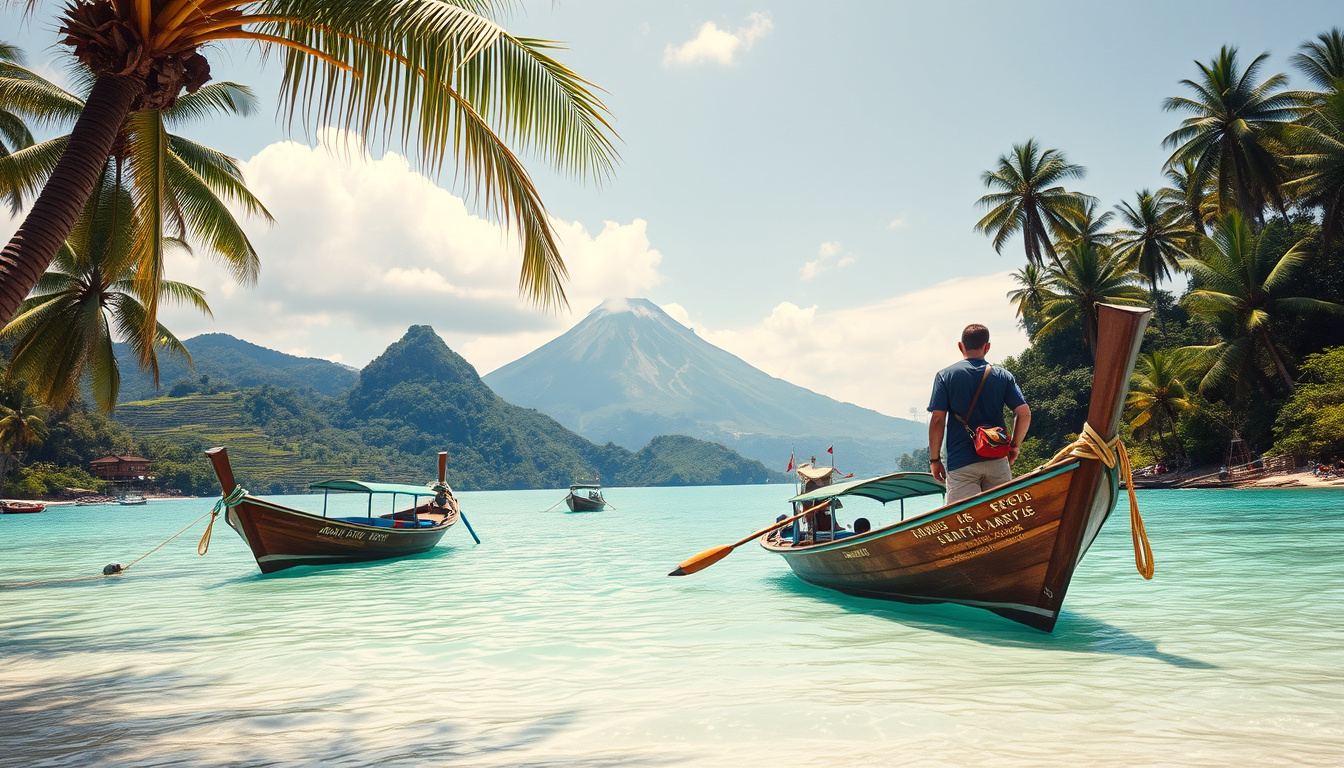
Bali, Indonesia, once celebrated as a tropical utopia of spiritual serenity and natural beauty, now finds itself grappling with the overwhelming impact of mass tourism amplified by social media influence. The island’s growing popularity, fueled by Instagram-ready images of pristine beaches and luxury retreats, has given way to a harsher reality that has left many tourists—and locals—disillusioned.
The Gap Between Expectation and Reality
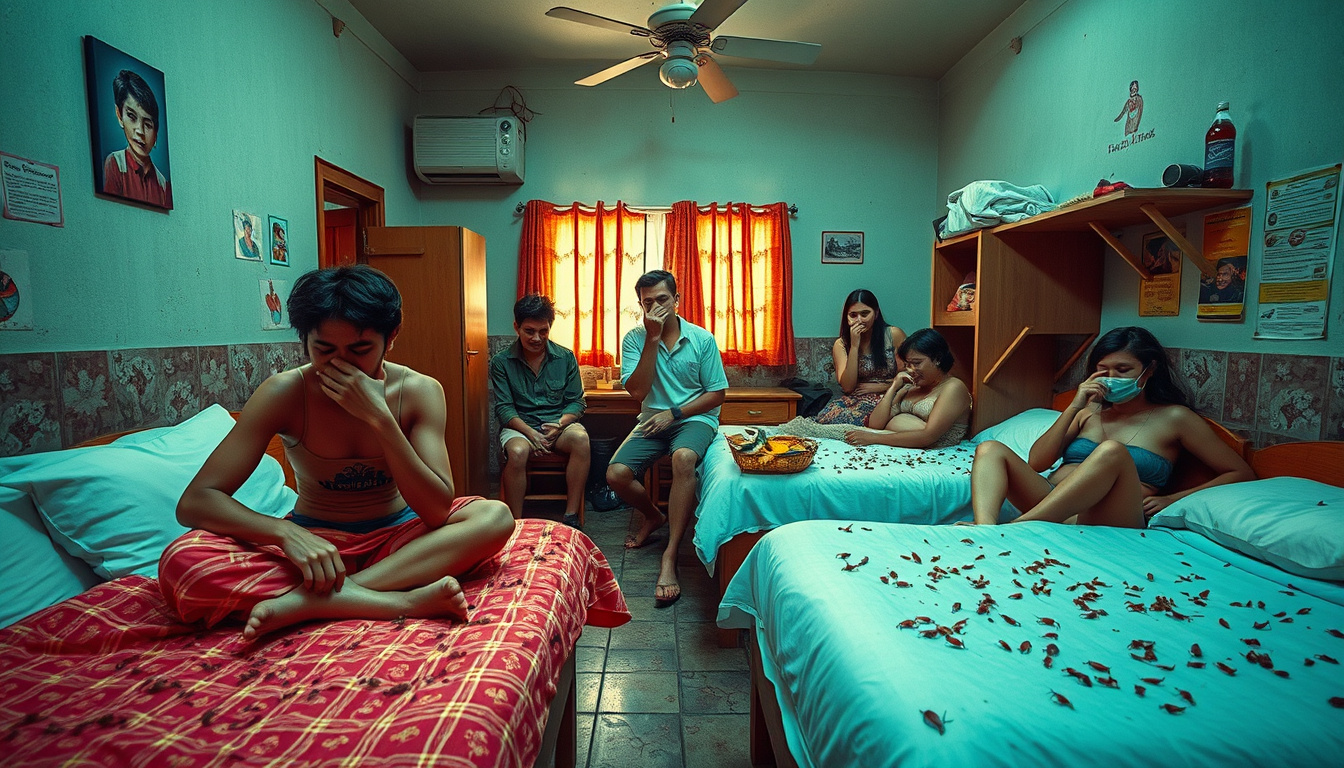
Recently, British traveler Zoe Rae captured the sentiment of many when she shared her disappointment with Bali after arriving with high hopes inspired by social media. Filming in her hotel room, she revealed that the idyllic scenes often portrayed online masked a more complicated reality. Though she did not explicitly detail the conditions that unsettled her, her decision to cut short her Bali trip and continue celebrations elsewhere highlighted a growing issue facing the island.
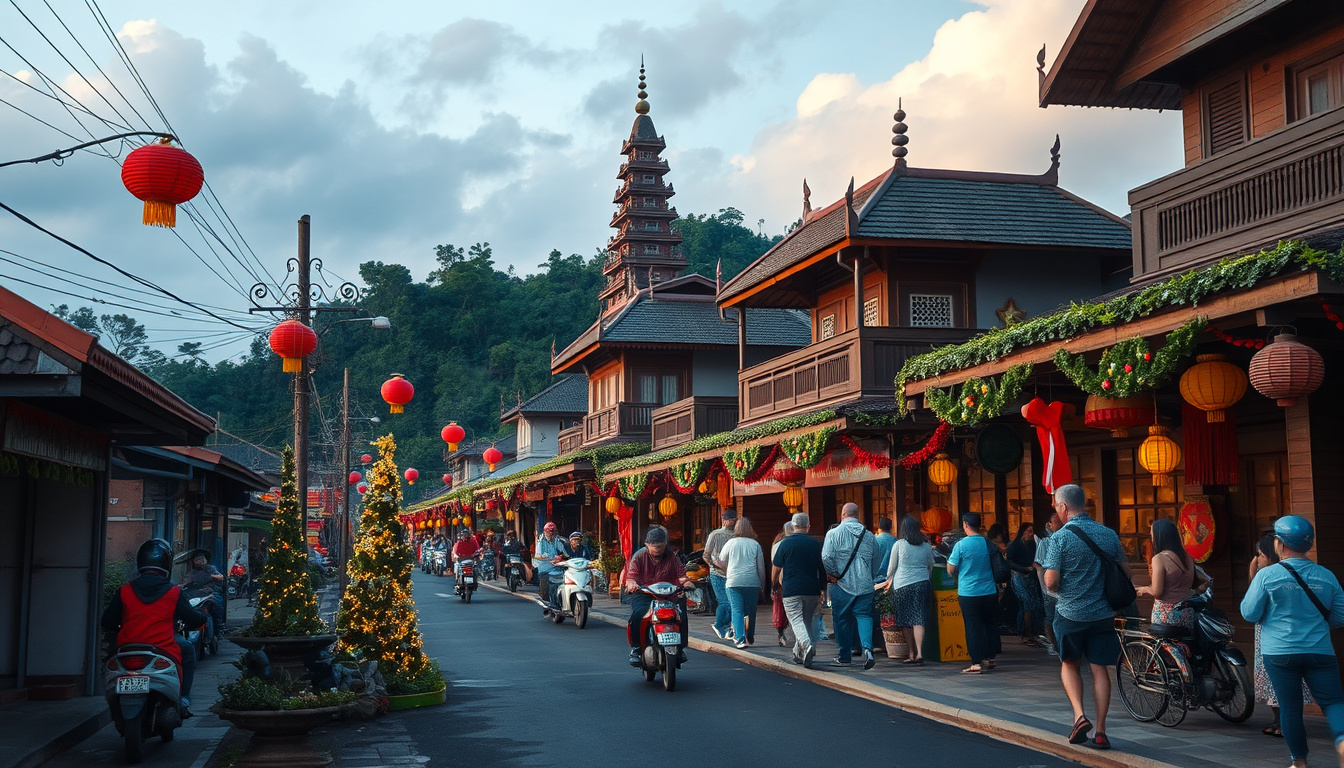
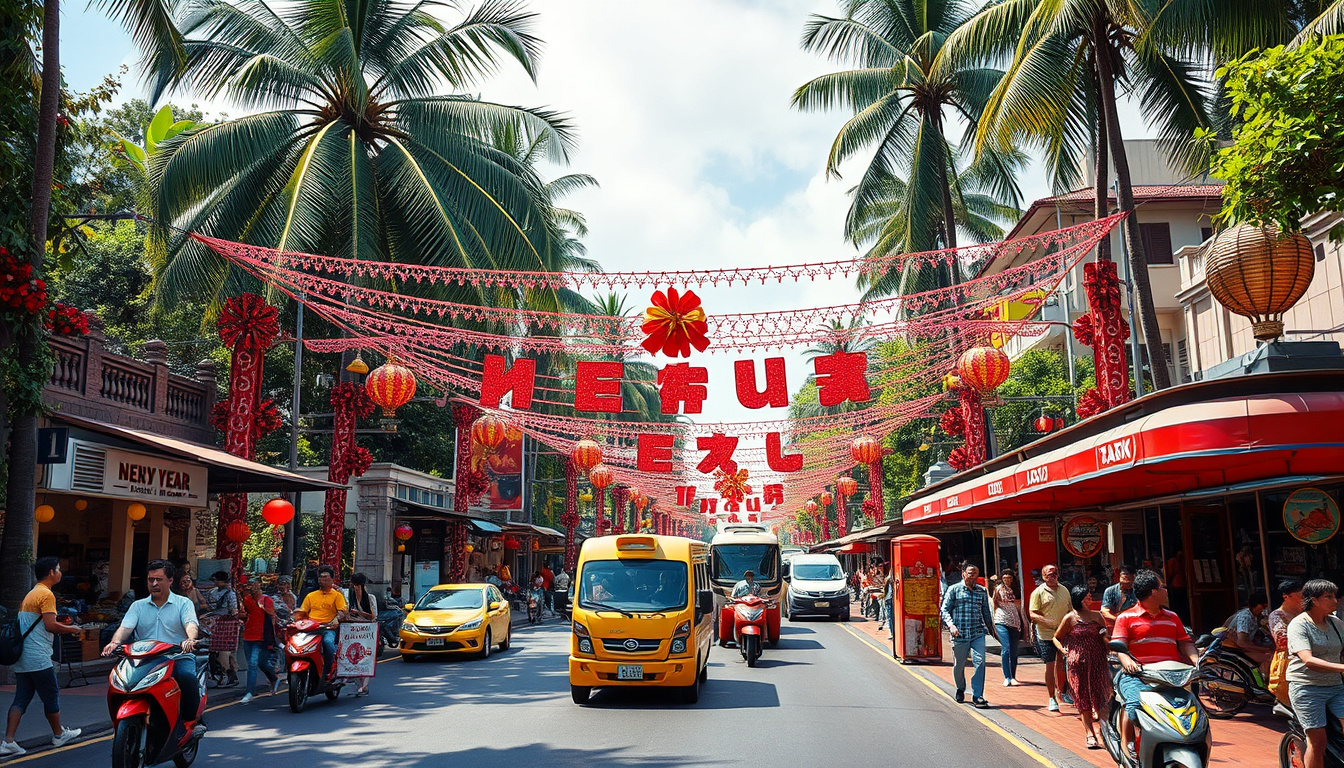
Social media posts reveal the stark contrast: stunning café settings juxtaposed with overflowing rubbish, picturesque waterfalls crowded with long tourist queues, and tranquil smoothie moments overshadowed by traffic jams filled with motorbikes and pollution. The reality confronting millions of annual visitors is often marked by congestion, noise, and construction rather than the untouched paradise they expected.
Tourism’s Toll on Bali
The surge in visitor numbers—from 3.8 million tourists in 2014 to an anticipated record-breaking 7 million in 2025—has strained Bali’s infrastructure and environment. The post-pandemic tourism boom accelerated development, but with it came increased pollution and overcrowding. Recently, deadly floods exacerbated by poor waste management and rapid urban expansion tragically underscored the urgent need for sustainable planning. Although local authorities have begun restricting new construction, many argue that these measures come too late.
From Spiritual Haven to Tourist Playground
Historically, Bali was renowned for its rich Hindu culture, sacred landscapes, and traditional lifestyles. Early Western visitors were captivated by its spiritual mystique and natural beauty, elements that helped create the mythology of the island as an earthly paradise. However, modern tourism has shifted the island’s image dramatically—nowadays, Bali is more synonymous with stylish beach clubs, surf hubs, and luxury resorts that cater largely to Western visitors seeking affordable indulgence.
Berlin-based travel writer Gisela Williams notes how social media has fostered a superficial engagement with the island, encouraging tourists to focus on curated images rather than deeper cultural experiences. As British content creator Hollie Marie points out, many visitors stay within a few Instagrammable hotspots, missing the rich cultural and natural diversity Bali offers beyond the tourist bubble.
Local Voices: Concern and Resilience
Balinese people express mixed feelings about the tourism boom. Some point to the irony in tourists’ complaints, noting that visitor behavior contributes to the very problems they mourn—such as traffic congestion and environmental degradation. Local researcher I Made Vikannanda likens the situation to being responsible for the traffic jam while simultaneously critiquing it.
Ni Kadek Sintya, a young Balinese woman, illustrates the personal impact of the transformation. She recalls peaceful scooter rides through agricultural landscapes in Canggu, now replaced by constant traffic, ongoing construction, and a sense of loss for the island’s fading tranquility.
Changing Landscapes and Emerging Challenges
As southern Bali became congested, tourists and developers pushed into formerly quiet areas such as Canggu, Pererenan, and Ubud, turning them into trendy neighborhoods adorned with cafes, co-working spaces, and resorts. While spreading tourism might relieve pressure on some parts, it also invites further environmental strain and urbanization.
Additionally, issues with tourists behaving irresponsibly—such as accidents caused by scooter riders under the influence, violations at sacred sites, and incidents of violence—have put a spotlight on the darker side of the tourist influx. The recent arrival of thousands of Russians and Ukrainians fleeing conflict at home has added complexity, with reports of increased criminal activities sparking local concern.
The Future of Bali: Balancing Growth and Preservation
Despite frustrations, tourism remains a crucial economic lifeline for many Balinese, especially younger generations like Sintya’s, who depend on it for employment and stability. However, there is a growing call for more sustainable tourism practices that respect the island’s culture and environment.
Bali’s reputation as an influencer’s paradise has propelled it onto the global stage, but the island’s experience serves as a cautionary tale about the consequences of unchecked tourism fueled by curated social media dreams. Moving forward, finding harmony between welcoming visitors and preserving the authentic spirit and natural beauty of Bali is paramount—not only for travelers seeking genuine experiences but for the Balinese people who call this island home.



Add a comment