






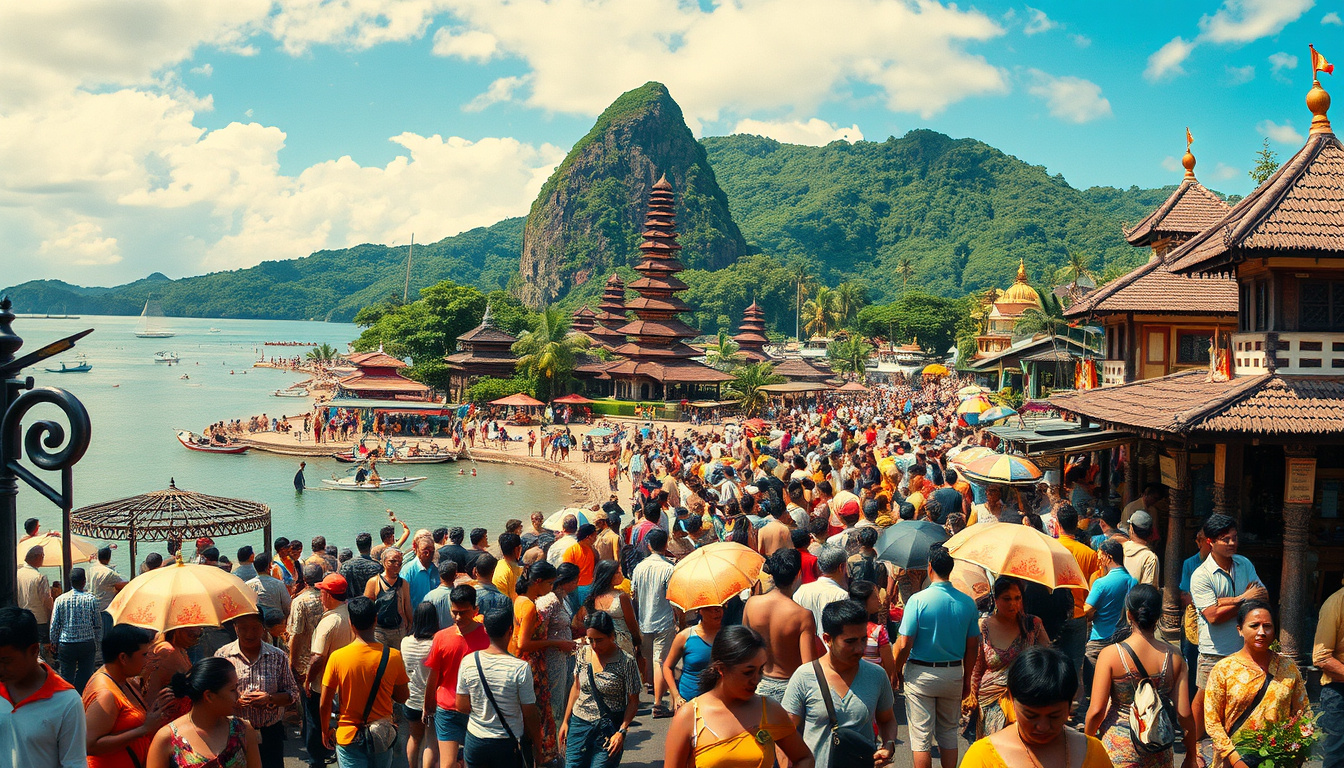

Severe Floods in Bali Disrupt Tourism and Transportation, Highlighting Climate Vulnerabilities
Over the past two weeks, Bali has been struck by severe flooding caused by unprecedented heavy rainfall, resulting in at least 18 fatalities and significant disruptions to the island’s vital tourism industry. The floods have affected transportation networks, damaged hotel accommodations, and led to multiple cancellations, starkly exposing Bali’s vulnerability to climate-related disasters.
Widespread Impact Across the Island
Beginning early last week, torrential rains swept through Denpasar and six out of Bali’s eight regions, an unusual event during the island’s typically dry season. The downpours have caused rivers to overflow and streets to flood, making travel difficult and unsafe. Although Ngurah Rai International Airport—the primary gateway for millions of visitors each year—remained operational, key access roads leading to the airport were submerged, complicating arrival and departure logistics for travelers.
Tourism Industry Under Pressure
Bali’s economy heavily relies on tourism, making the floods particularly damaging beyond the immediate physical destruction. Hotels in affected areas faced water damage and power outages, forcing them to cancel bookings and disrupt guest services. Tourist cancellations have increased as flooding rendered popular destinations inaccessible or unsafe.
The situation underscores the risks confronting Bali’s tourism sector and raises concerns over how the island can continue to attract foreign visitors in the face of escalating extreme weather events.
Contributing Factors: Development and Climate Change
Experts point to overdevelopment and the loss of green space in Bali’s tourist regions as key factors worsening the flood risks. Increased urbanization and infrastructure expansion have reduced the natural absorption capacity of the land, resulting in more severe runoff during heavy rains.
In response, the Bali government is initiating plans to curb construction on agricultural land and enhance urban planning efforts aimed at mitigating flood impacts. These measures are anticipated to help restore ecological balance and improve drainage.
Climate scientists warn that climate change is likely to increase the frequency and intensity of extreme weather events like these floods. Rising global temperatures contribute to heavier rainfall and unpredictable weather patterns, posing ongoing threats to Bali’s natural environment and economy.
Calls for Resilience and Adaptation
The recent floods have intensified calls for investment in more resilient infrastructure tailored to withstand Bali’s changing climate realities. This includes upgrading drainage systems, reinforcing flood barriers, and implementing sustainable land management practices.
For the tourism sector, adaptability will be crucial. Stakeholders are urged to innovate in how they manage operations and emergency responses to ensure visitor safety and maintain Bali’s reputation as a premier travel destination despite environmental challenges.
The Bali floods serve as a stark reminder of the urgent need for climate adaptation strategies in island destinations reliant on tourism. Without swift action to address environmental vulnerabilities, the livelihoods of millions dependent on Bali’s tourism industry remain at risk in an era of growing climate uncertainty.



Add a comment