






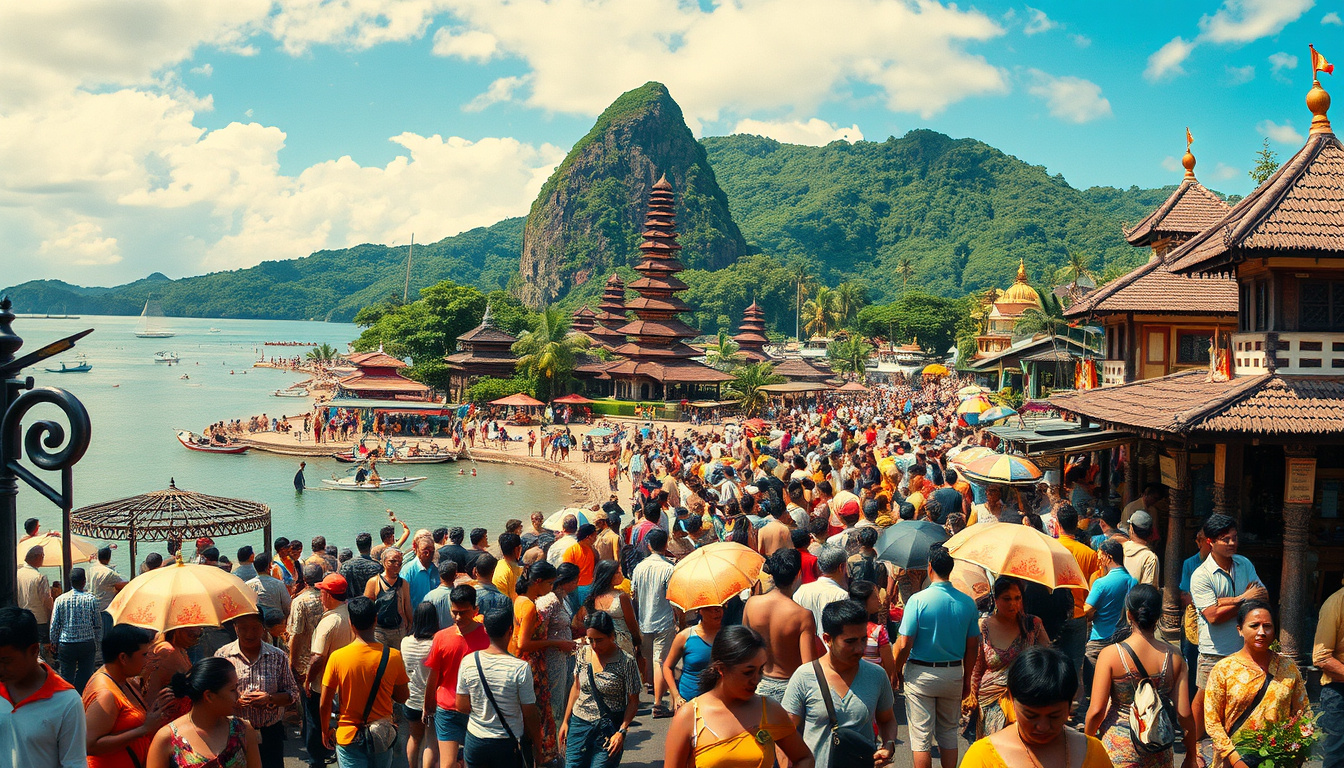

Deadly Floods in Bali Spark Outcry Over Overtourism and Environmental Mismanagement
Bali, Indonesia — The recent catastrophic floods that swept through the Indonesian island of Bali have left at least 18 people dead and caused widespread destruction of homes, villas, and businesses. As locals grapple with loss and displacement, growing voices are calling for accountability, attributing the disaster not only to severe weather but to the island’s unchecked overdevelopment and environmental neglect.
Unprecedented Flooding Shakes the ‘Island of the Gods’
On Wednesday last week, intense flash floods inundated large parts of Bali, an area celebrated for its natural beauty and cultural heritage. Residents woke to streets submerged in water reaching knee height, a situation many describe as the worst in living memory. “We moved here in 1975 and have seen flooding before, but nothing like this,” said Putu Oka Darmiati, a long-time Denpasar resident.
The heavy rains overwhelmed Bali’s drainage systems, carrying vast quantities of trash and debris through waterways, worsening the impact. The floods destroyed property in central Denpasar and surrounding regions, disrupting the lives of thousands.
Overtourism and Overdevelopment Under Scrutiny
While the severe rainfall was a natural trigger, authorities and environmental experts have highlighted Bali’s rapid urban expansion as a root cause that severely limited the land’s capacity to absorb and manage floodwaters. Over the past decade, fertile rice paddies and agricultural lands—traditionally natural sponges—have been transformed into a sprawling network of hotels, villas, and tourist facilities.
Environmental group Walhi Bali has documented the alarming rate at which agricultural land is converted to commercial use in key tourism districts such as Badung, Gianyar, and Tabanan. Their research shows that between 3 and 6 percent of such land is lost annually, often with scant regard for zoning laws or disaster risk.
“This massive development has led to extensive destruction of green zones, forests, and riverbanks,” said Walhi executive director Made Krisna Dinata. He added that many constructions are located in areas prone to flooding and erosion, exploiting ecologically sensitive zones for tourism gain without sufficient disaster mitigation planning.
Bali’s Environment Minister Hanif Faisal Nurofiq echoed these concerns following his visit to the flood-hit areas. He revealed that Bali’s watersheds are heavily degraded, with only about 3 percent tree cover where ideally 30 percent is needed to absorb rainfall effectively. The loss of natural vegetation exacerbates runoff, contributing to flash flooding.
Government Response: Moratorium on New Construction
In a significant policy shift, Bali’s Governor I Wayan Koster announced a moratorium on new commercial building permits, particularly on agricultural land. This directive follows intense public pressure and aims to curb further damage to the island’s ecosystem caused by unchecked tourism infrastructure expansion. Governor Koster stated that after flood recovery efforts, permission to develop hotels, restaurants, and other commercial ventures on primary productive land would be suspended.
The move has garnered cautious support from stakeholders. I Gusti Agung Ngurah Rai Suryawijaya of Indonesia’s Hotel and Restaurant Association in Badung sees it as a necessary measure to restore environmental balance, emphasizing that Bali currently has more than enough accommodation to meet tourist demand.
“The temporary pause gives us a chance to evaluate and direct future development sustainably,” he said.
Tourism Industry Faces Uncertain Future Amid Environmental Risks
Bali’s tourism industry, a critical economic driver attracting over 6.5 million foreign visitors annually, is challenged by these environmental realities. Rising construction, partly driven by a desire for “Instagrammable” luxury resorts, threatens to undermine the very natural charm that draws tourists to the island.
Academics warn that development along riverbanks, forests, and coastlines has proceeded without adequate consideration for disaster preparedness. Associate Professor I Nyoman Gede Maha Putra of Warmadewa University highlighted the encroachment on vulnerable zones, noting that key rivers and beaches are now lined with villas and commercial properties.
Environmental and community groups have long advocated for stricter controls to prevent a repeat of such calamities. The current floods have amplified calls for more comprehensive land-use planning, improved waste management, and urgent reforestation efforts.
Waste Management Challenges Compound Flood Impact
In addition to overdevelopment, inadequate waste disposal has worsened flooding effects. The closure earlier this year of Bali’s only landfill site, Suwung, prompted improper dumping of trash into waterways, clogging channels and impeding normal water flow during rains.
Residents like Rukayah, who lost her family’s batik store when the flood waters damaged the riverside building, express deep frustration and trauma. “Every time it rains, I feel anxious,” she said, describing scenes of floating debris and blocked drains.
Looking Ahead: Disaster Preparedness and Sustainable Development
Indonesian President Prabowo Subianto visited Bali’s flood victims, promising government support and signaling a commitment to long-term disaster risk reduction.
However, with Bali’s rainy season underway and extreme weather predictions ahead, many fear further floods may occur unless decisive actions are taken to protect the environment and enforce development regulations.
The recent disaster serves as a stark reminder that sustainable tourism and environmental stewardship must be prioritized if Bali is to preserve its “Island of the Gods” status and safeguard its communities from future catastrophes.



Add a comment