







Bali Joins Thailand, the Philippines, and Mexico in Tackling Tourism-Related Crime Surge
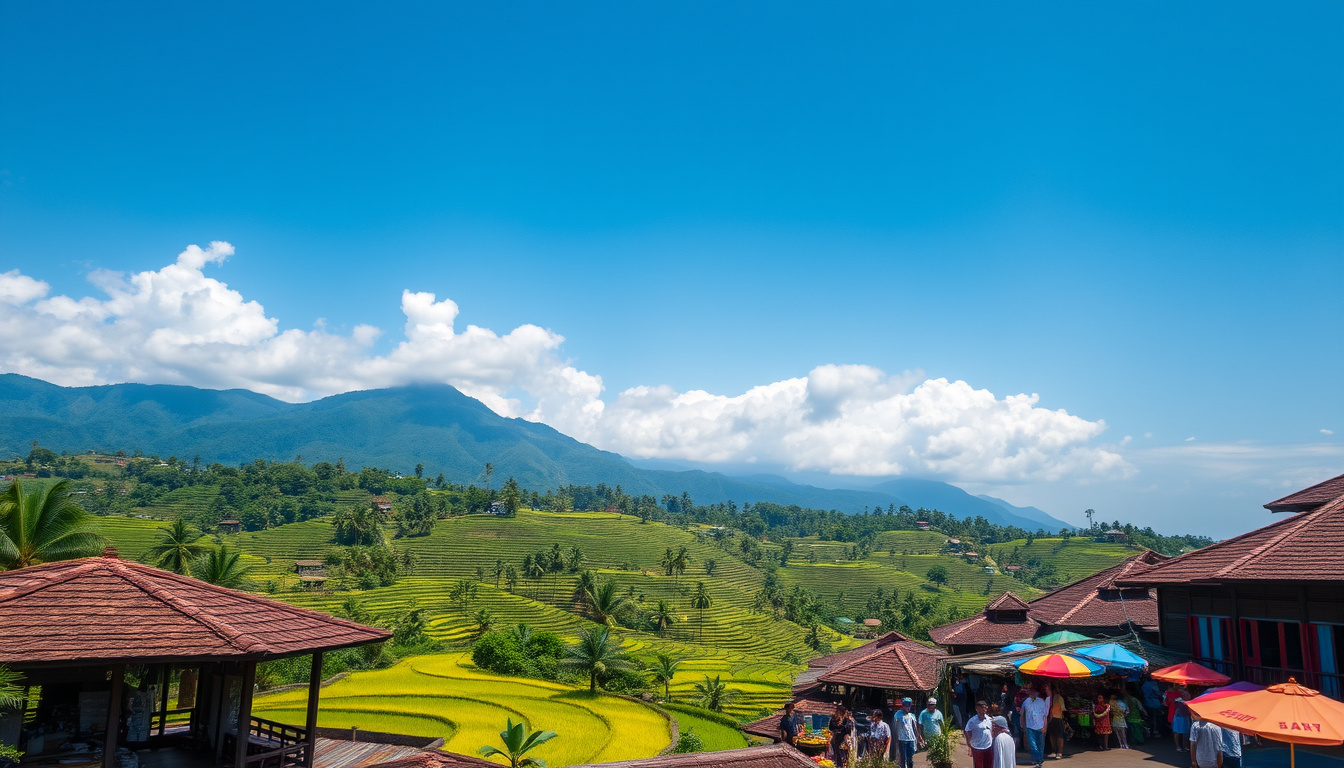
Bali, Indonesia — Renowned worldwide for its breathtaking landscapes, vibrant culture, and spiritual significance, Bali continues to attract millions of tourists annually. Recently honored as Asia’s most beautiful island, the Indonesian paradise has witnessed a significant surge in visitor numbers. However, alongside the economic benefits brought by tourism, the island is confronting a worrisome rise in crime linked to the influx of travelers. Bali now finds itself joining other popular destinations such as Thailand, the Philippines, and Mexico in the complex challenge of combatting tourism-fueled criminal activities.
Rising Crime Involving Foreign Nationals
Local authorities have reported a marked increase in crimes associated with foreign visitors. Data from the Bali Police indicate that incidents involving foreign nationals rose from 194 cases in 2023 to 226 in 2024. These offenses cover a range of criminal activities, including drug trafficking, scams, cybercrime, and violent episodes—for example, the recent shooting of two Australian tourists in Munggu village, situated in Badung District.
Many offenders and victims alike are tourists, especially those engaged in long-term, budget-conscious stays. This emerging pattern underscores a disturbing connection between the volume and profile of visitors and the escalation of criminal behavior on the island.
Organized Crime Exploiting Tourism Growth
Experts attribute this increase partly to the proliferation of illegal accommodations. Many tourists, attracted by affordability, opt for unregulated homestays and informal lodging options that fall outside governmental oversight. This regulatory gap has become fertile ground for organized crime syndicates to operate and expand.
Bali’s status as a favored destination for digital nomads and long-term tourists has further complicated enforcement efforts. Sophisticated international criminal groups, particularly from Russia and Ukraine, reportedly use Bali as a base to run illicit enterprises hidden behind the guise of tourism-related activities. The National Narcotics Agency (BNN) has revealed that these syndicates employ advanced technologies including cryptocurrencies, encrypted communication channels, and dark web marketplaces to facilitate drug trade, human trafficking, and cybercrimes with relative impunity.
Impact on Local Communities and Infrastructure
The ramifications of Bali’s tourism boom extend deeply into its local communities. Residents increasingly voice concerns over the strain mass tourism places on cultural heritage, natural resources, and infrastructure. Areas such as Canggu and Ubud have experienced particular pressure from the rapid expansion of illegal accommodations, culminating in overcrowding and heightened congestion.
Moreover, the financial gains from tourism are perceived to disproportionately benefit foreign investors and large corporate operators. Local businesses often find themselves marginalized, with the majority of tourism-generated wealth leaking out of the community rather than being reinvested. This growing economic disparity has fueled social tensions and a sense of cultural erosion among Bali’s indigenous population.
Calls for Sustainable Tourism and Stronger Governance
In response, Indonesian authorities have intensified their efforts to restore law and order. Bali Police have enhanced surveillance in popular tourist zones and established specialized task forces addressing narcotics, cybercrime, and human trafficking. Collaboration with international law enforcement agencies aims to dismantle transnational criminal operations more effectively.
Additionally, the government has introduced stricter regulations to curb illegal lodging. Measures include imposing penalties on unregistered properties, enforcing zoning laws to control unauthorized developments, and establishing accreditation systems for legitimate accommodations.
Nonetheless, experts caution that enforcing regulations alone is insufficient without a broader commitment to sustainable tourism. A tourism model that prioritizes quality over quantity, balances environmental conservation with local community welfare, and promotes responsible travel behavior is essential for addressing the root causes of these challenges.
Global Context: Shared Challenges Among Popular Destinations
Bali’s struggle mirrors issues faced by other renowned tourist hotspots. Thailand’s popular hubs like Phuket and Pattaya have reported surges in human trafficking and narcotics-related crimes linked to booming tourism. Similarly, the Philippines, especially destinations such as Boracay and Palawan, confront rising criminal exploitation fueled by unregulated visitor growth. Mexico, too, grapples with organized crime phenomena tied to mass tourism.
These countries are exploring integrated policies aimed at regulating tourism growth, protecting vulnerable populations, and fostering sustainable industry practices to mitigate adverse social and criminal consequences.
Looking Ahead: A Necessity for Balanced Tourism Development
The escalation of organized crime in Bali serves as a cautionary tale illustrating the complexities posed by unchecked tourism expansion. As the island endeavors to safeguard its unique cultural identity, security, and environmental integrity, a paradigm shift toward sustainable and responsible tourism development is imperative.
Balancing economic growth with community wellbeing and ecological preservation is not merely a strategic choice but a necessity for securing Bali’s future as a premier destination. This approach entails stronger regulatory frameworks, enhanced law enforcement, community engagement, and broad-based awareness campaigns targeting tourists and locals alike.
Through these combined efforts, Bali hopes to preserve its enduring allure while fostering a safe, equitable, and sustainable environment for residents and visitors now and for generations to come.



Add a comment