






Bali Imposes Ban on New Hotels and Restaurants Following Deadly Flooding
In response to devastating flash floods that claimed at least 18 lives and caused widespread damage across Bali, Indonesia, officials have announced a ban on the construction of new hotels and restaurants on productive agricultural land, particularly rice fields. The move aims to address growing concerns about the environmental impact of mass tourism on the island.
Severe Flooding Sparks Emergency Measures
On September 10, Bali declared a state of emergency after experiencing its worst flooding in over a decade. Torrential rains inundated Denpasar and surrounding areas, damaging homes, infrastructure, and public facilities while affecting thousands of residents. The flooding highlighted vulnerabilities related to rapid development, especially in areas once dedicated to agriculture.
Halt to Land Conversion on Agricultural Areas
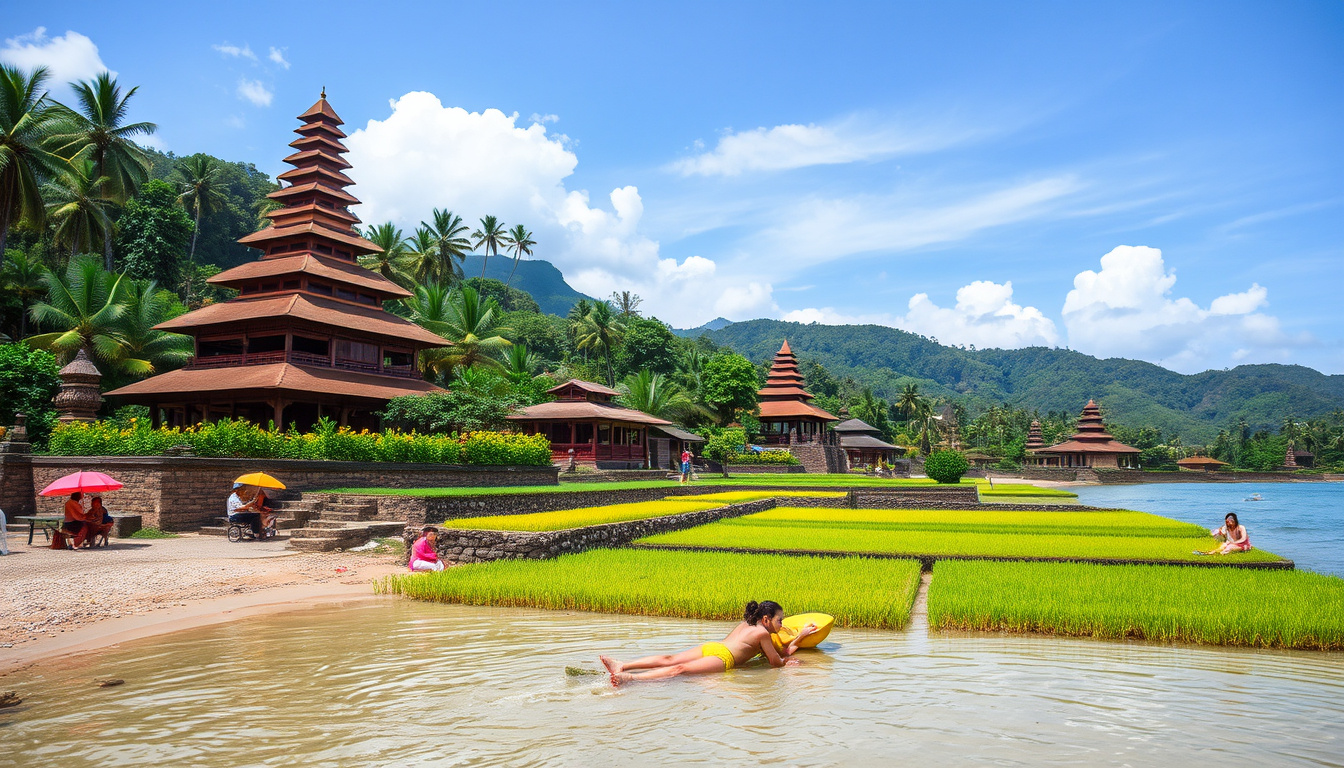
Bali Governor Wayan Koster revealed on September 14 that new instructions had been issued to local district heads and mayors to halt permits for new hotels, restaurants, and other commercial facilities on productive land. He emphasized that from 2025 onwards, under Bali’s 100-year plan, no productive agricultural land—including the island’s famed rice paddies—will be converted for commercial use.
“Starting this year, yes, there is already an instruction to all heads of districts and mayors across Bali,” Koster said. “After handling the floods, we will meet again to ensure no more permits are issued for hotels, restaurants or other facilities on productive land, especially rice fields.”
This policy marks a significant step after previous attempts to introduce a moratorium on new hotel developments did not come to fruition.
Concerns Over Mass Tourism and Environmental Impact
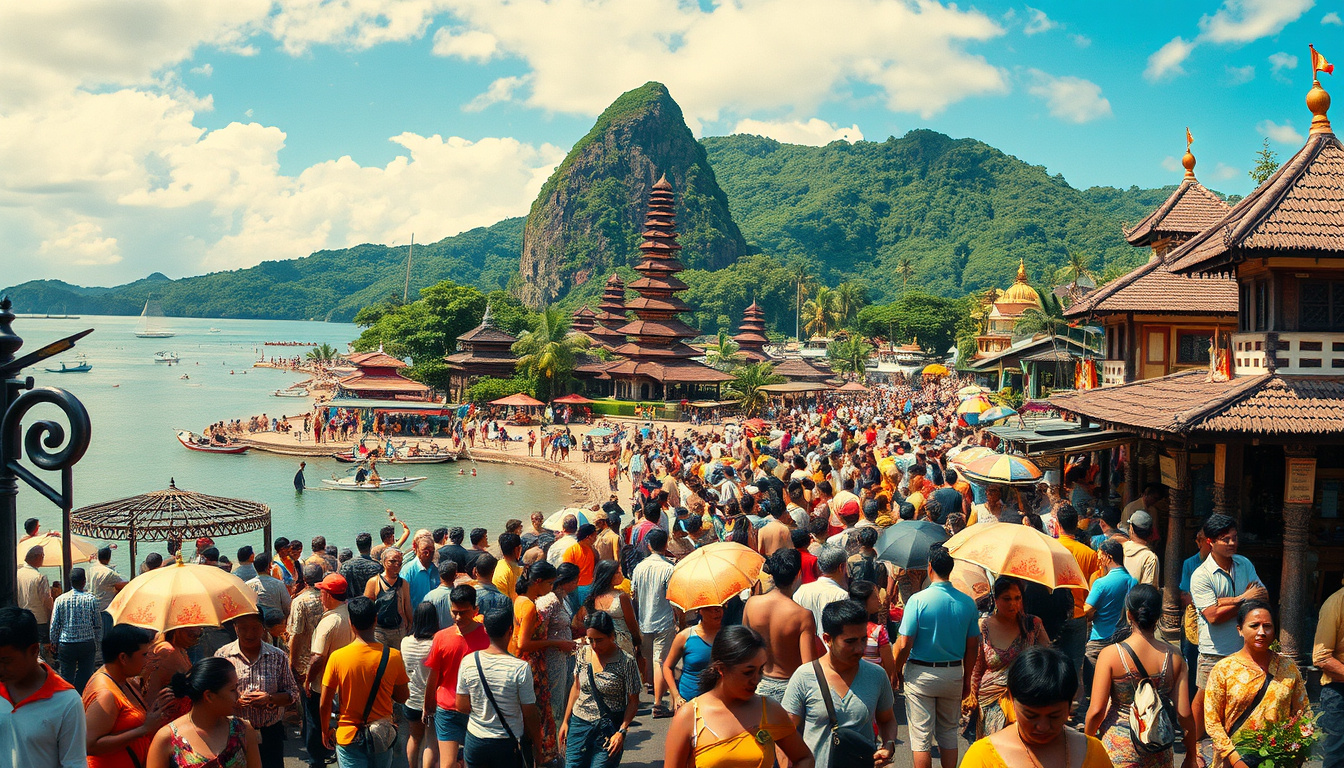
Bali, known worldwide for its lush green landscapes and pristine beaches, has seen rapid transformation over recent decades. The expansion of resorts and hotels has generated complaints from locals and visitors alike concerning traffic congestion, pollution, and disruptive tourist behavior.
Environmental activists have long warned that unchecked tourism development, including construction on agricultural land and deforestation, exacerbates flooding risks and other natural disasters. The worsening waste management crisis on the island has further intensified these environmental challenges.
Climate Crisis Amplifying Rainfall and Flood Risks
Indonesia’s meteorology and climate agency has issued warnings about the potential for an extreme rainy season this year, coinciding with the wet season that typically lasts from September through March. Scientists attribute the increasing frequency and severity of extreme rainfall events partly to climate change, which causes warmer air to hold more moisture.
“The recent flooding has drawn serious attention to the link between land conversion for tourism and flood risk,” said Indonesia’s Environmental Minister Hanif Faisal Nurofiq. He urged Bali’s provincial government to immediately halt conversions of productive land to safeguard both local communities and the sustainability of tourism.
Looking Forward
The new regulations are anticipated to be enforced by the end of 2025. Officials and environmental experts view the ban as an essential measure to protect Bali’s economy and environment from further damage caused by mass tourism development on vulnerable land.
As global climate patterns continue to shift, the balance between economic growth and environmental preservation remains a critical challenge for popular destinations like Bali. The island’s efforts to curb overdevelopment signal a growing recognition of the need for sustainable tourism practices to safeguard its natural heritage and communities.
Related Topics:
- Bali’s Tourism Development and Environmental Challenges
- Climate Change and Its Impact on Rainfall Patterns in Southeast Asia
- Sustainable Land Use and Agricultural Preservation in Tropical Regions



Add a comment