


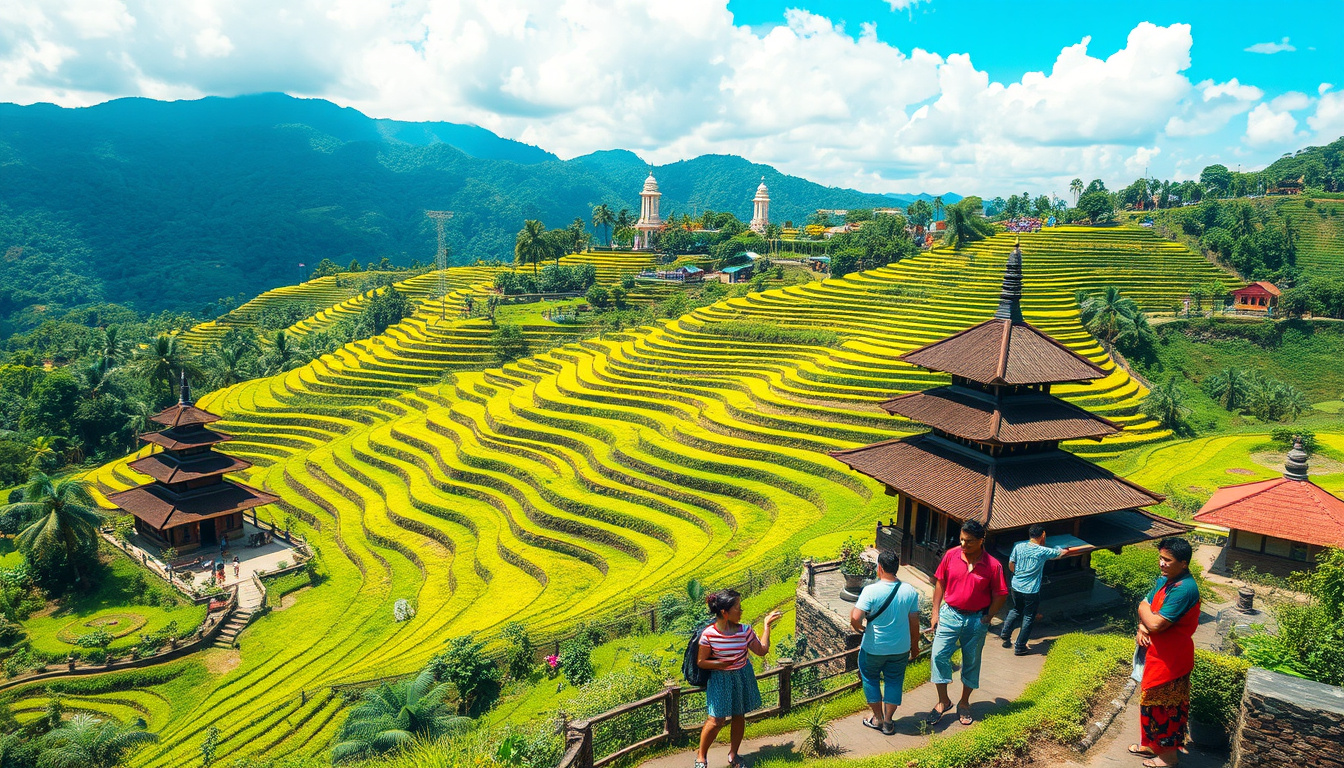

Indonesia’s Bali Named World’s Second Most Crowded Island Amid Rising Overtourism Concerns
By SCMP’s Asia Desk | Published 4:09pm, 9 July 2025
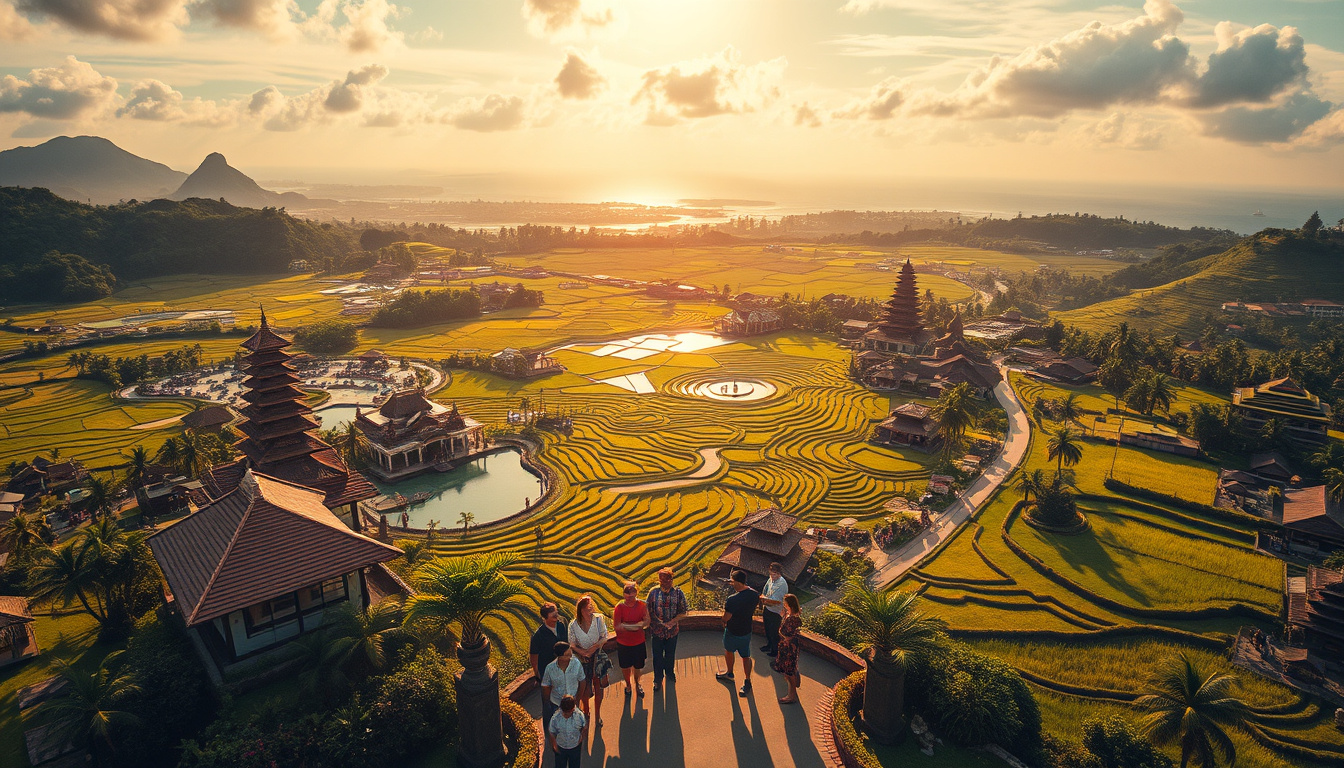
Indonesia’s famed island of Bali has been officially ranked as the second most crowded island globally, surpassed only by its neighbour Java, as local residents grapple with the pressures of overtourism and growing population density.
Surging Visitor Numbers and Population Density
Spanning 5,780 square kilometers (2,230 square miles), Bali is home to approximately 4.2 million residents, equating to a population density of 731 people per square kilometer—excluding tourists. On top of this, the island experiences an average daily arrival of over 60,000 visitors, placing intense strain on its infrastructure and communities. Last year alone, Bali welcomed more than 6.3 million foreign tourists, solidifying its position as Indonesia’s most visited island.
This data was highlighted in a recent report by Indonesian newspaper Kompas, citing information compiled by online market researcher Visual Capitalist.
A Double-Edged Sword: Tourism’s Economic Boom and Local Bust
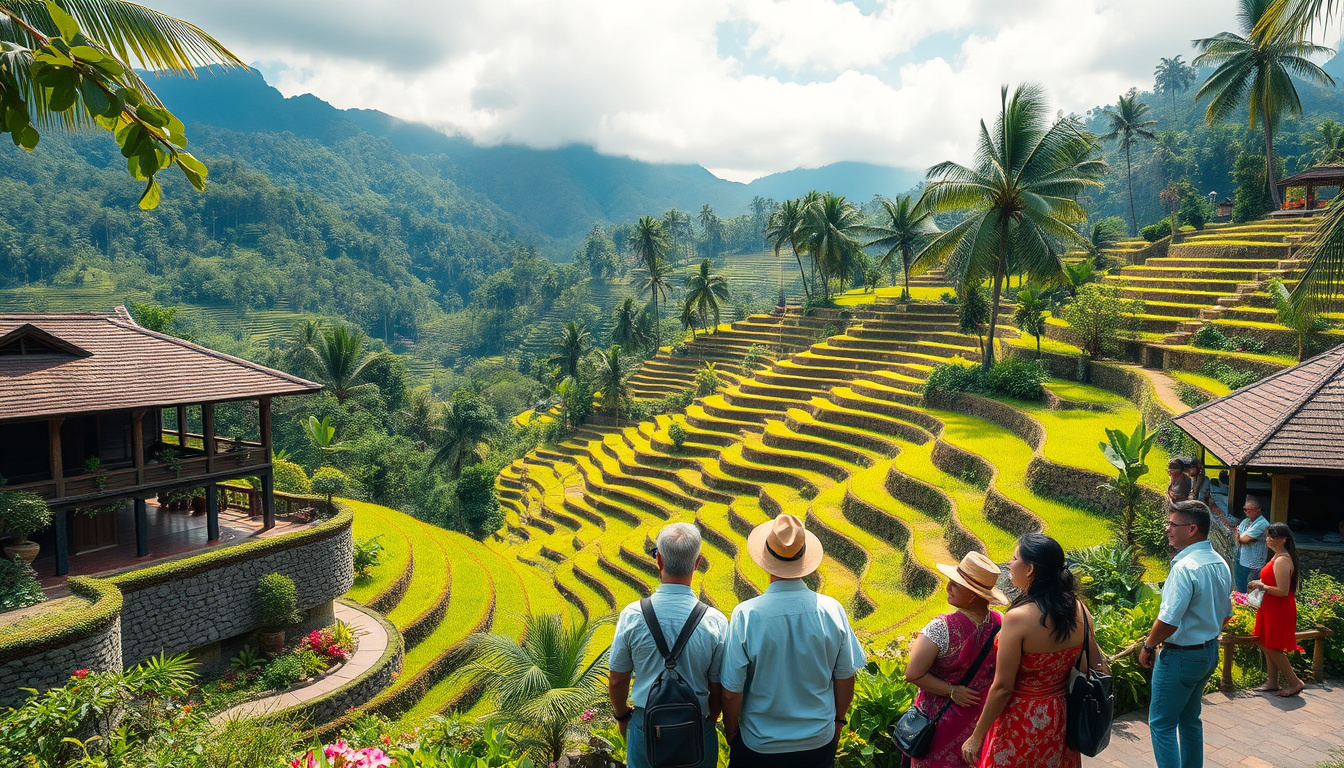
Bali’s global reputation as a premier travel destination received further affirmation when travel agency Travelbag named it the world’s most beautiful island for 2025, as reported by Tempo news magazine. While this recognition has significantly bolstered the local economy—with over half of Bali’s economic activity reliant on tourism, according to The Jakarta Post—it has simultaneously sparked grievances among residents.
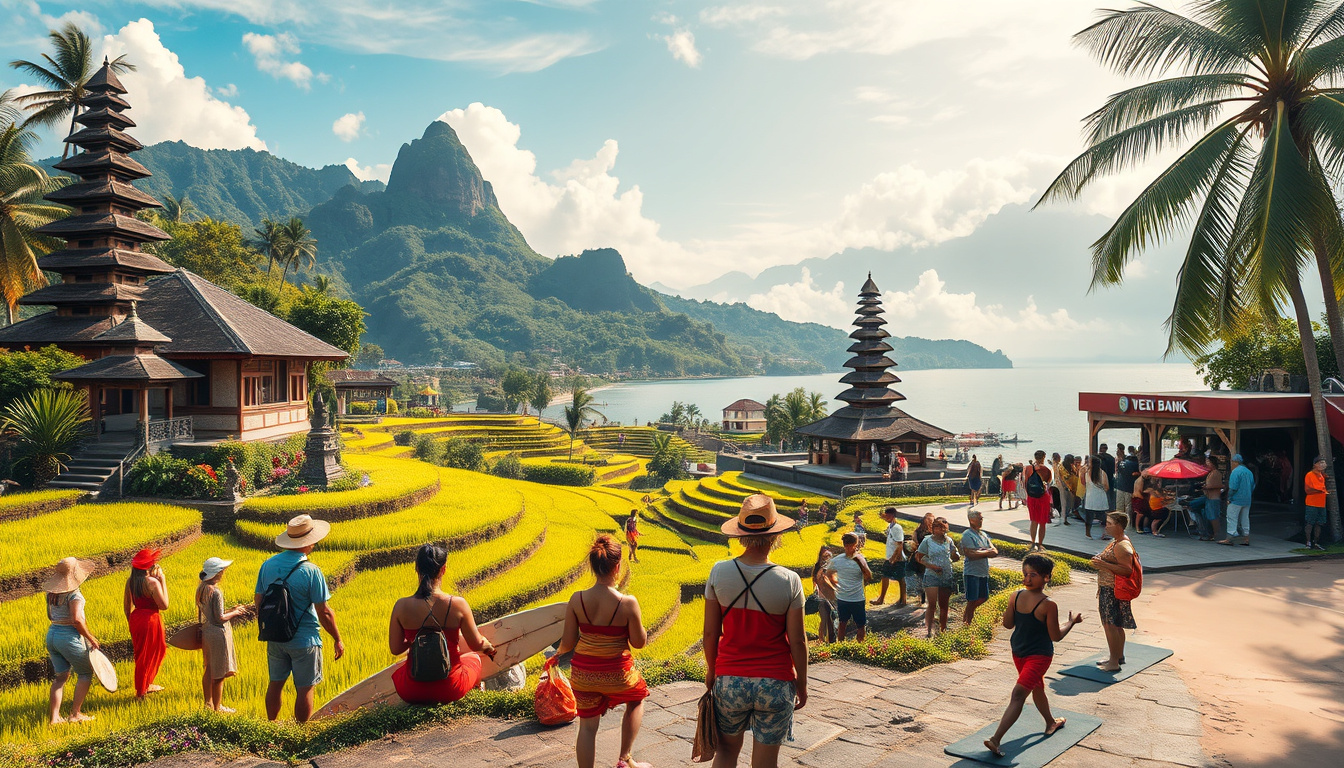
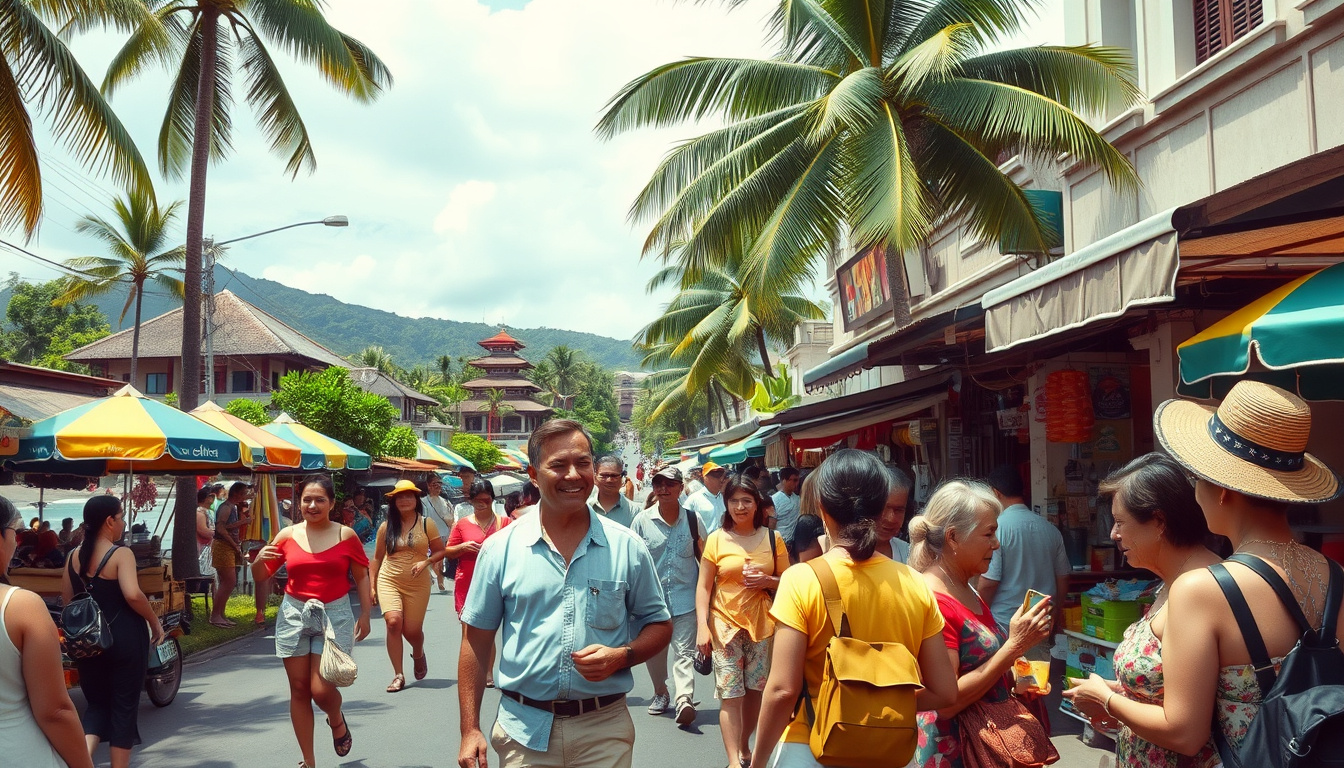
Many locals feel increasingly marginalized due to overcrowding and escalating housing shortages. The unrelenting influx of tourists and internal migrants searching for opportunities has caused congestion not only in popular tourist hubs but also in residential areas.
Denpasar native Wahyuni, 41, expressed his frustrations, stating, “The population density in Bali is a big challenge for me as a villager wanting to feel comfortable in my own environment.” His sentiments reflect a growing chorus of voices concerned that the quality of life for native Balinese is deteriorating under the pressures of overtourism.
The Challenge of Sustainable Tourism
The delicate balance between maintaining Bali’s economic reliance on tourism and preserving the wellbeing of its residents remains a pressing challenge for local authorities. As crowds continue to swell, calls for sustainable tourism practices and improved resource management are intensifying to ensure the island’s unique cultural and environmental assets are safeguarded.
Tourists at popular locations such as Kuta Beach remain a common sight; however, these areas now echo with the concerns of residents who feel overwhelmed by the island’s surging population and visitor numbers.
Moving Forward
Bali’s experience underscores the broader dilemma confronting many picturesque destinations worldwide: how to harness the benefits of tourism while mitigating its adverse social and environmental impacts. As Bali navigates its new status as the world’s second most crowded island, comprehensive strategies involving stakeholders across government, business, and civil society will be crucial in shaping a sustainable future—one that respects both the needs of its people and the demands of its global visitors.
Photo Caption: Tourists at Kuta Beach in Bali. More residents are voicing concerns about overtourism on the island. (Photo: EPA-EFE)



Add a comment