






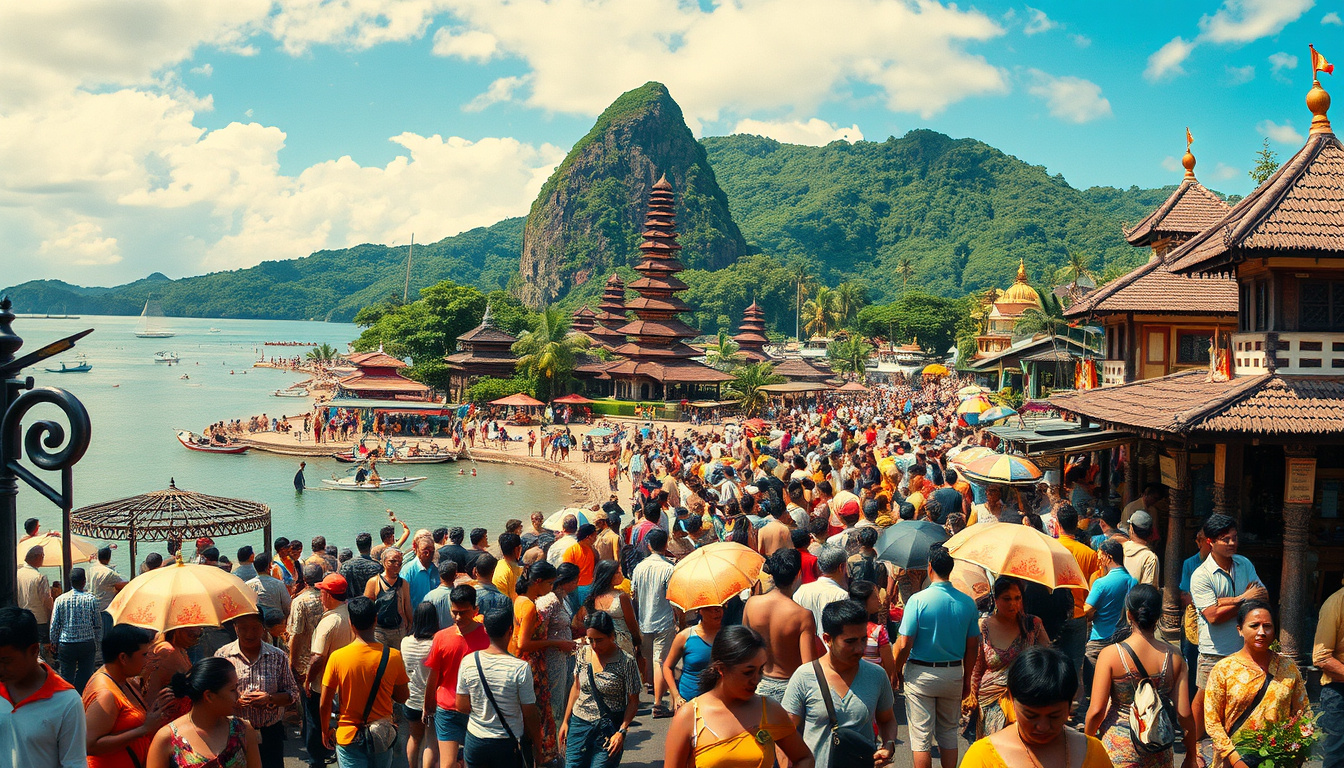

Planning a Trip to Bali? Here Are the Important New Travel Rules You Should Know
Bali, renowned for its pristine beaches, vibrant culture, and picturesque landscapes, has long been a favourite destination for travellers worldwide. As one of Indonesia’s most visited islands, Bali attracts tourists with its unique blend of natural beauty and rich cultural heritage. If you are planning a visit to this enchanting island soon, it’s crucial to be aware of the latest travel regulations introduced to ensure respectful and sustainable tourism.
Recently Announced Guidelines by Bali’s Governor
On March 24, 2025, Bali Governor I Wayan Koster unveiled new rules for tourists, timed just ahead of the island’s Nyepi Day — the traditional Balinese Day of Silence observed on March 29. During Nyepi, Bali essentially shuts down for 24 hours, with all residents and visitors required to remain indoors to honour the solemn occasion.
Governor Koster explained that these measures aim to maintain Bali’s cultural integrity and sacredness while curbing inappropriate tourist behaviour. He emphasised that the updated guidelines reflect changing times and reinforce a commitment to sustainable tourism that harmonises with local customs and values.
Key Travel Rules and Restrictions
The new regulations highlight several important expectations for tourists:
-
Respectful Dress and Conduct: Tourists must wear modest clothing and behave respectfully, especially when visiting temples, religious complexes, or public areas such as restaurants, shops, and streets.
-
Restricted Access to Sacred Sites: Visitors are prohibited from entering certain temple areas unless they are worshippers dressed in traditional Balinese attire. Notably, menstruating women are not allowed to enter these sacred spaces.
-
Prohibition of Disturbing Behaviour: Swearing, causing public disturbances, disrespecting locals or officials, and sharing hate speech or misinformation on social media platforms are banned.
-
Cultural Observance: Tourists are required to observe and honour Balinese customs and traditions, particularly during local ceremonies.
-
Photography Limits: Taking nude or inappropriate photos at religious sites, climbing on sacred trees or monuments, and other disrespectful actions are forbidden.
Additional Measures for Sustainable Tourism
In a bid to support environmental conservation and regulate tourism impact, Bali has introduced several other requirements:
-
Tourist Entry Fee: Since February 2025, international visitors must pay a one-time tourist levy of 150,000 Indonesian rupiah (approximately €9). Failure to pay this fee may result in denied access to popular attractions.
-
Licensed Guides and Approved Accommodations: Visitors are encouraged to use licensed tour guides and stay only in government-approved lodging.
-
Currency Exchange and Traffic Laws: Tourists should exchange currency only at authorised outlets and adhere strictly to local traffic regulations.
-
Plastic Ban: Single-use plastics such as plastic bags, straws, Styrofoam containers, and plastic-packaged drinks are banned in accordance with Bali’s environmental protection goals.
Governor Koster warned that special enforcement teams would be active to address any violations swiftly and firmly, signalling the island’s zero tolerance towards disruptive tourist behaviour.
Bali’s Commitment to Preserving Its Heritage
These rules come amid broader efforts by Indonesia to maintain Bali’s cultural and environmental heritage. In September 2024, the government temporarily halted new hotel, villa, and nightclub developments in key tourist zones to combat overdevelopment and prevent overtourism. This step echoes similar global trends where popular destinations are taking stricter control to protect their authenticity and quality of life for residents.
Global Context of Tourist Behaviour Management
Bali’s recent regulations reflect a wider pattern seen in other tourist hubs. For example, Prague banned organised night-time pub crawls in late 2024 to address noise and public disorder caused by rowdy visitors. Italy has also introduced restrictions to limit overcrowding, traffic, and intrusive selfie-taking in iconic cities such as Rome, Florence, and Venice.
What This Means for Your Bali Trip
If you’re planning your next holiday in Bali, take these new rules seriously to ensure a smooth and respectful visit. Embrace the island’s customs, dress appropriately, pay the required fees, and be mindful of your actions, especially around religious and cultural sites. By following these guidelines, tourists not only contribute to preserving Bali’s charm but also enjoy a more meaningful and harmonious experience.
As Bali strives to balance tourism growth with sustainability and local traditions, informed travellers who act responsibly will be warmly welcomed on this island paradise.



Add a comment