


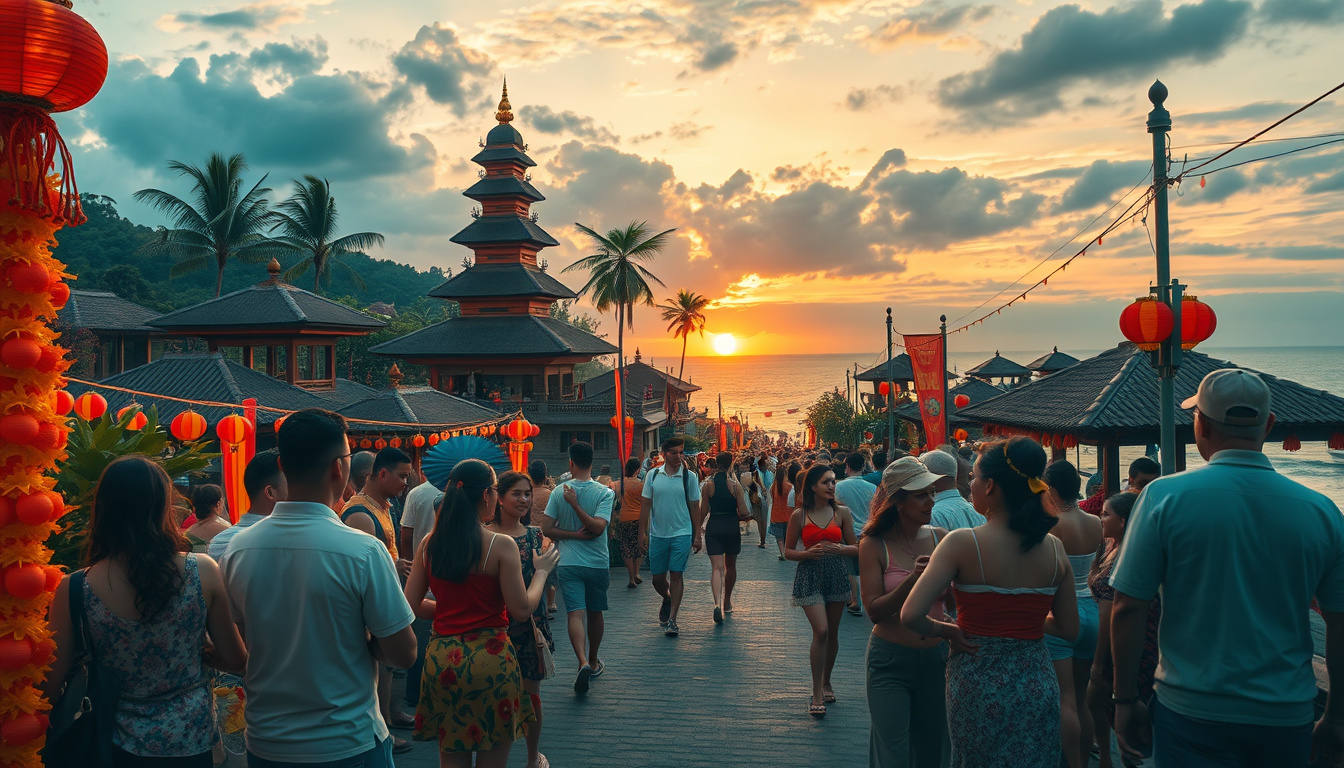

North Bali Emerges as the Premier Tourist Destination This New Year
As the world welcomes 2026, North Bali is rapidly gaining recognition as the preferred destination for travelers seeking a unique and vibrant holiday experience. Despite Bali’s traditional reputation centered around its southern beaches, this year the northern region has come into the spotlight, attracting both domestic and international tourists with its diverse landscapes, favorable weather, and rich cultural offerings.
Sunny Skies Amid Bali’s Rainy Season
Unlike South Bali, which is currently grappling with heavy rainfall and flooding typical of the island’s peak rainy season, North Bali benefits from notably more sunshine and milder weather conditions. This climatic advantage has played a significant role in boosting tourism in the area. According to Dewa Ketut Suardipa, Chairman of the Indonesian Hotel and Restaurant Association (PHRI) for Buleleng Regency, “While South Bali is impacted by weather and flooding, North, East, and West Bali are still highly desirable destinations. This is an opportunity we must all take advantage of.”
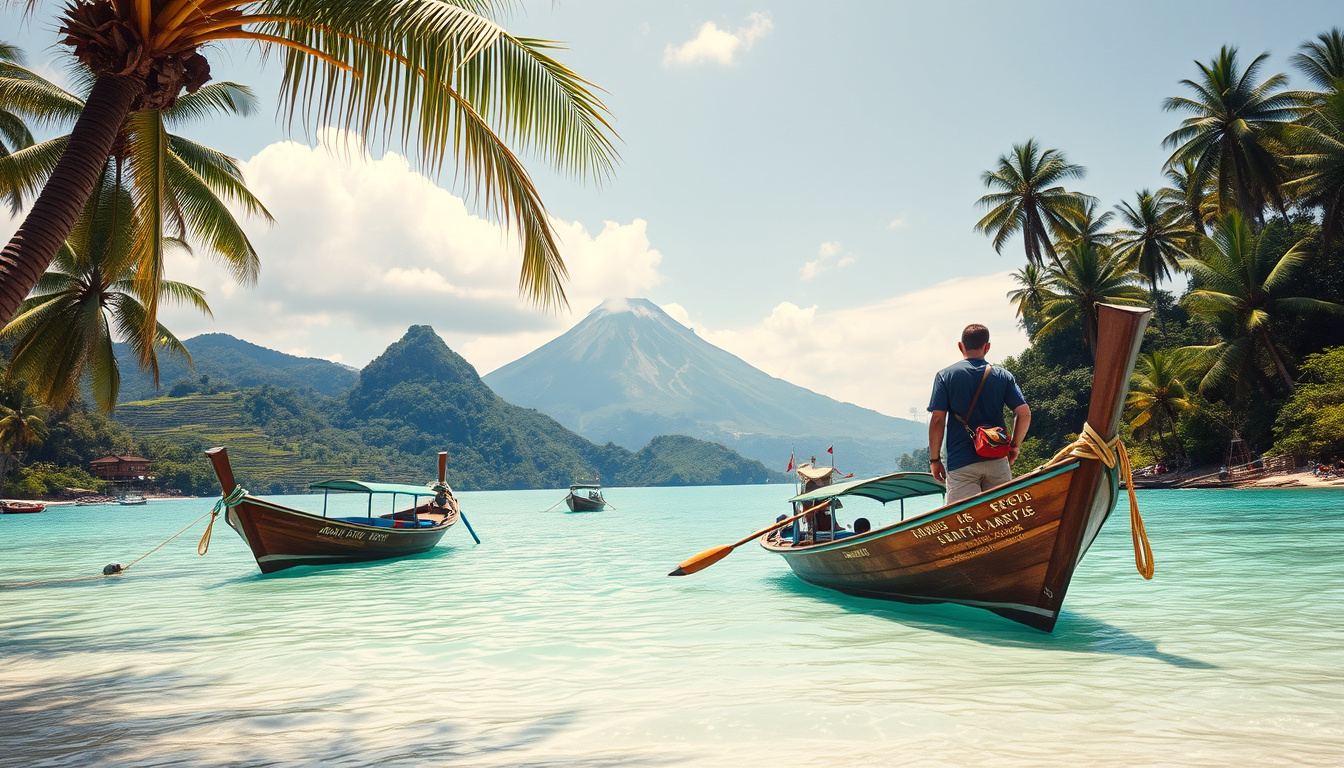
North Bali offers a remarkable blend of environments, including pristine black and white sandy beaches along with some of Bali’s most untouched jungle terrain, presenting a versatile getaway for visitors.
Rising Hotel Occupancy and Visitor Numbers
Local tourism data underscores the growing appeal of North Bali. Hotel occupancy in Buleleng Regency, which encompasses much of North Bali, is averaging around 75 percent. Particularly notable is West Buleleng, neighboring the West Bali National Park, where occupancy rates approach nearly 100 percent. Central Buleleng’s Lovina area maintains a strong occupancy rate between 70 and 80 percent. In contrast, southern and eastern parts of Buleleng have not yet experienced comparable tourism growth, with occupancy rates below 50 percent, likely due to fewer developed tourist facilities.
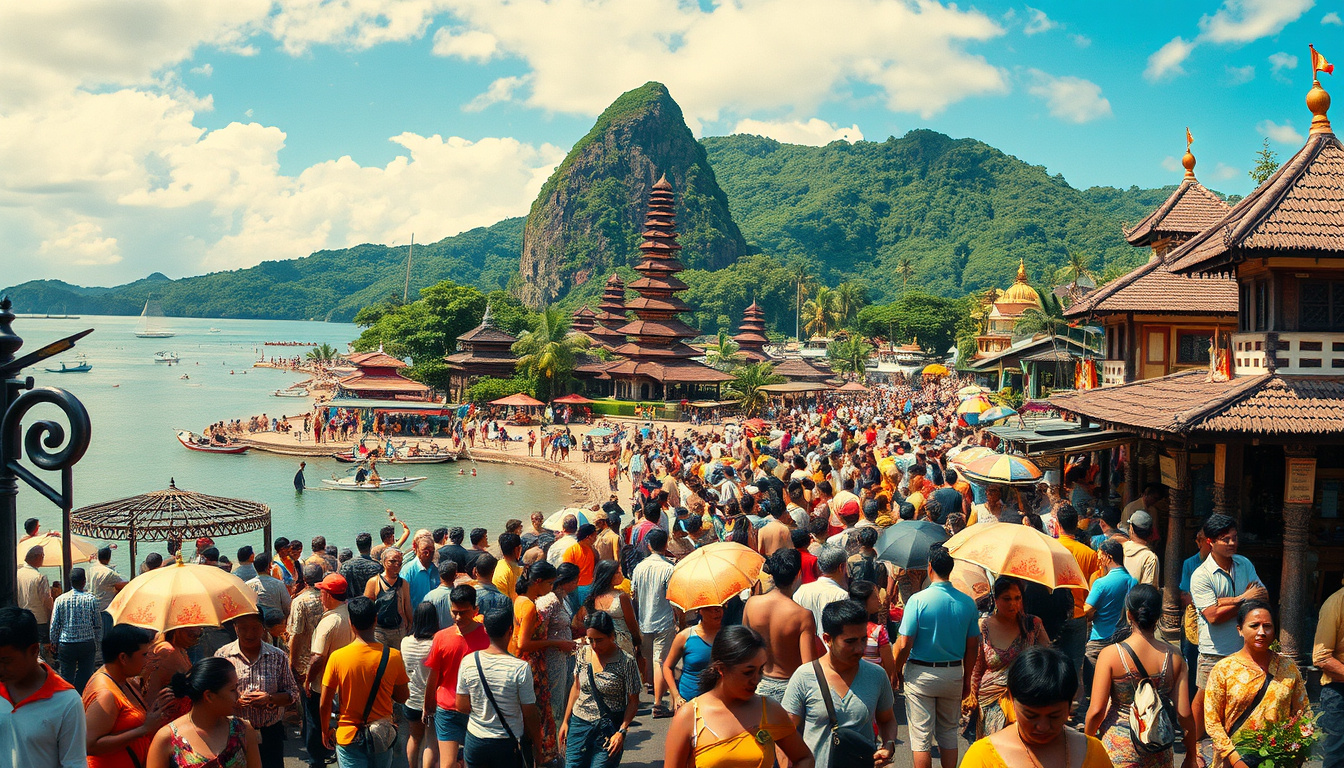
I Gede Dody Sukma Oktiva Askara, Head of the Buleleng Tourism Office, reported a 20 to 30 percent increase in visits to regional attractions during the Christmas and New Year period compared to regular weekends. Popular spots like Wanagiri, Pancasari, Banjar Hot Springs, Banjar Temple, Lovina, Air Sanih, and Aling-Aling Waterfall have seen significant upticks in visitors from both within Indonesia and abroad.
International Tourists and Domestic Travelers Update
Although domestic tourists from Java currently show a 20 percent decrease compared to the previous year, international arrivals to North Bali have increased by approximately 3 to 5 percent. Early December experienced some cancellations due to severe cyclones affecting Indonesia, but bookings quickly recovered, reflecting growing tourist confidence in the region.
Top Attractions and Activities in North Bali
One of North Bali’s standout experiences is the ever-popular sunrise dolphin-watching tours off Lovina Beach. Tourists flock here to observe pods of wild spinner dolphins at dawn, making this excursion a must-do. Several reputable tour operators offer dolphin tours departing from multiple points between Lovina and Pemuteran, with an emphasis on ethical wildlife tourism practices.
For those drawn to nature and tranquility, the inland Munduk Highlands offer a serene escape from crowds. Known for its spectacular waterfalls, including the famous Aling-Aling waterfall, Munduk is becoming increasingly favored by international travelers seeking both natural beauty and peace. The area features a range of accommodation options, such as Munduk Sari Resort, which combines affordable rates starting around USD 30 per night with authentic Balinese hospitality.
Similarly, the West Bali National Park stands as a haven for pristine nature lovers. The park’s high hotel occupancy reflects strong demand, underscoring its reputation as an essential stop for eco-tourism enthusiasts.
A Destination for Every Traveler
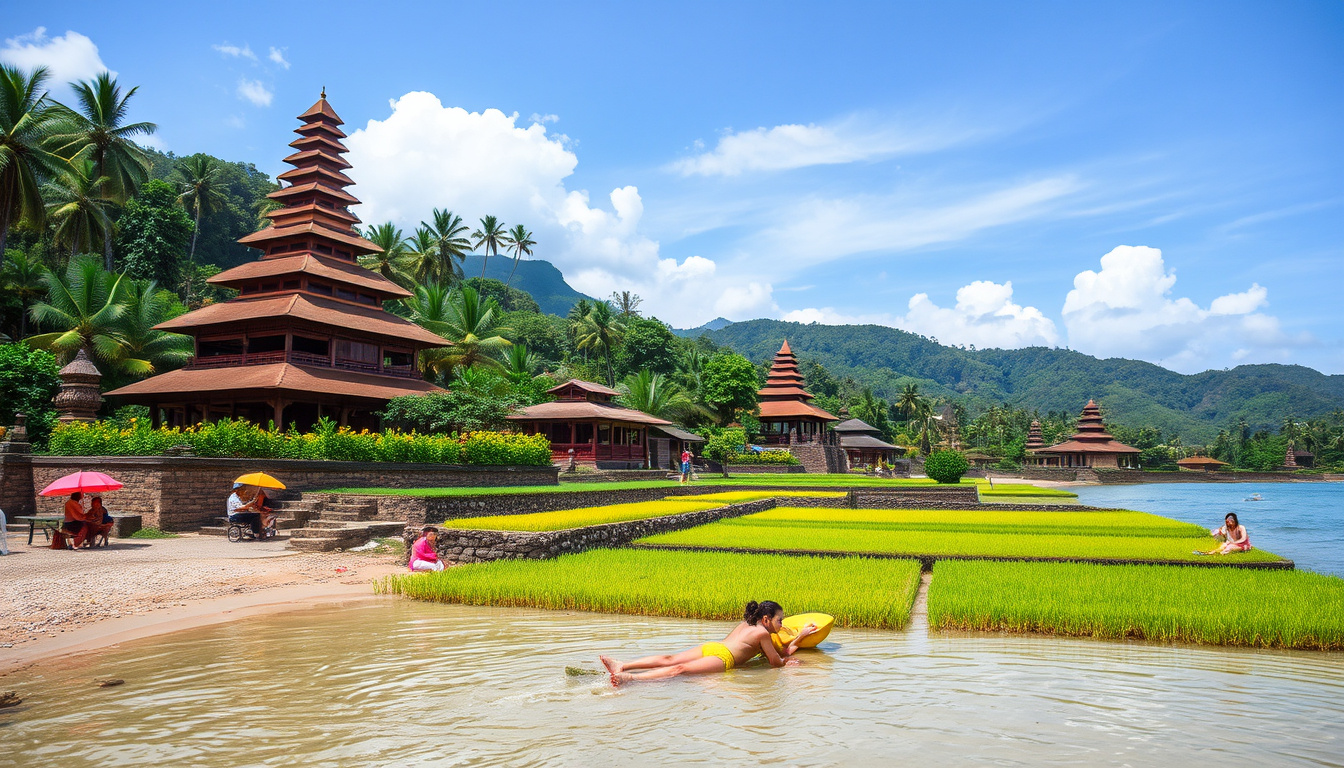
The charm of North Bali lies not only in its contrasting climate compared to southern Bali but also in its diversity. From idyllic black sand beaches and spirited marine activities on the coast to secluded highland retreats and vibrant cultural sites inland, the region offers something for every traveler’s taste.
As Bali’s tourism landscape evolves, North Bali’s rise as a hotspot marks a shift in travel trends. Visitors looking for a blend of adventure, culture, and relaxation should consider North Bali as their 2026 holiday destination of choice.
For travelers planning their Bali holiday, the North offers a compelling alternative to the usual itinerary — promising sunshine, adventure, and the warm hospitality the island is renowned for.



Add a comment