


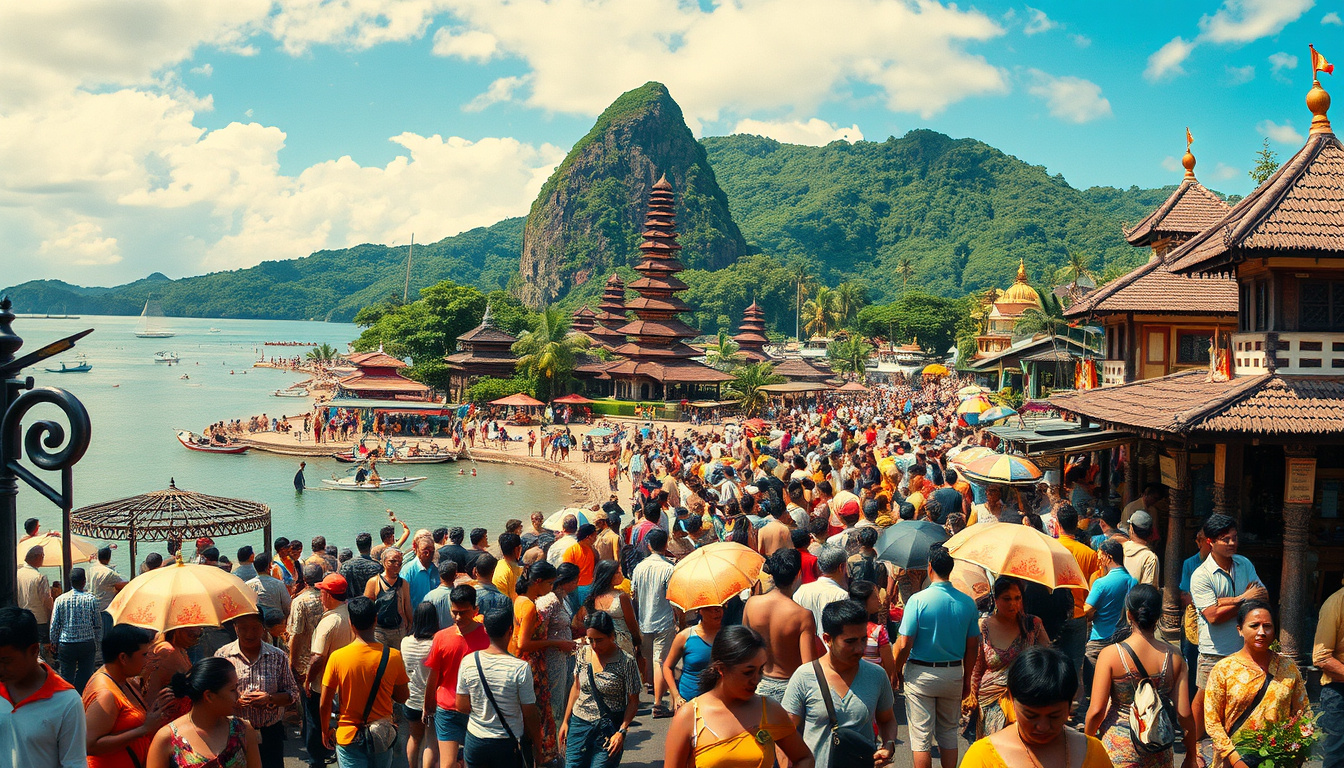

Instagram vs Reality: Bali’s Struggle as an Influencer Paradise Faces Growing Pains
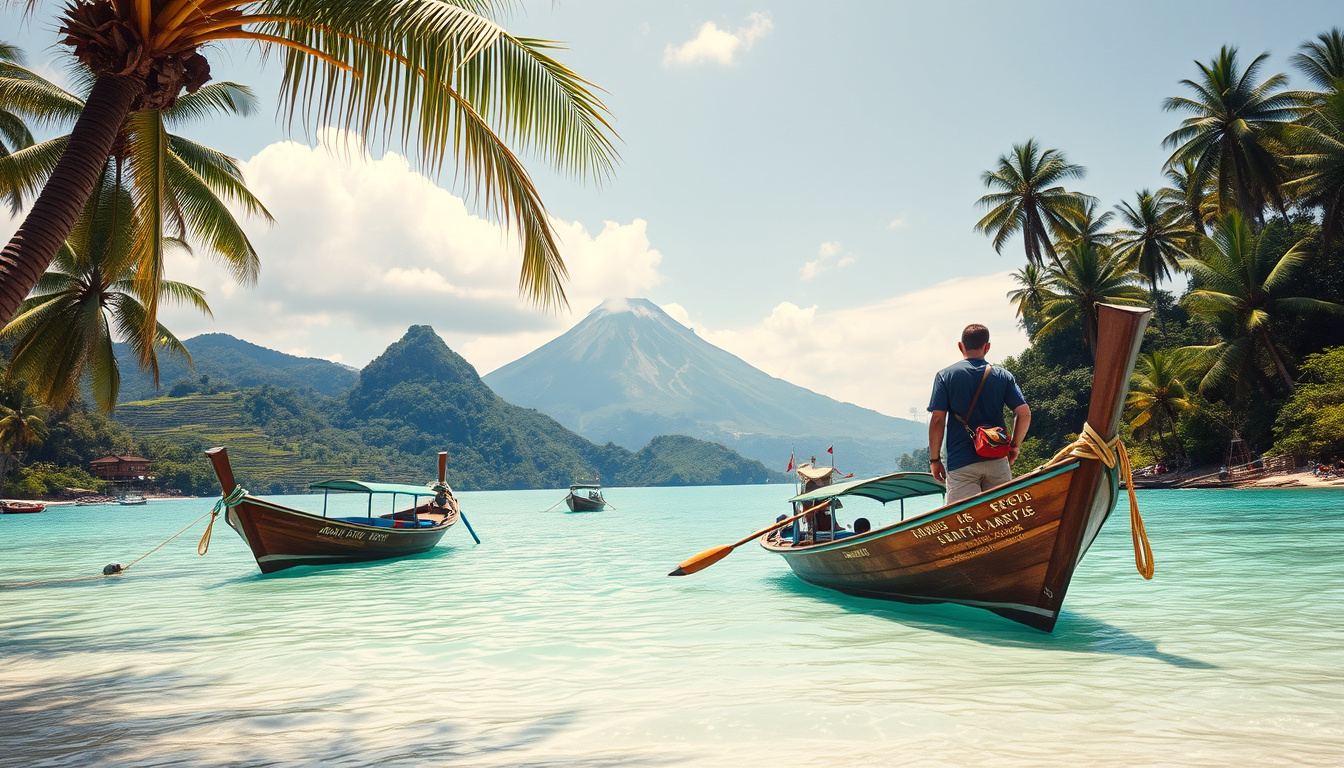
Bali, Indonesia’s famed tropical island, has long been celebrated as a lush paradise attracting millions of tourists each year. Renowned for its spiritual vibes, stunning landscapes, and exotic culture, Bali’s image has been amplified globally through social media, prompting a surge of visitors eager to experience its famed allure. However, this idyllic portrayal is increasingly colliding with harsh realities, leaving many travelers—and locals—disillusioned.
The Illusion of Paradise on Social Media
The contrast between Bali’s Instagram-perfect images and the actual experience has become a frequent public topic. Zoe Rae, a recent visitor, shared her disappointment in a July YouTube video. Arriving with soaring expectations shaped by social media posts, Rae quickly felt something was “not quite right.” Though she did not elaborate on specifics, she conveyed a sense of unease so strong it prompted an abrupt departure from Bali to continue her wedding anniversary celebrations elsewhere.
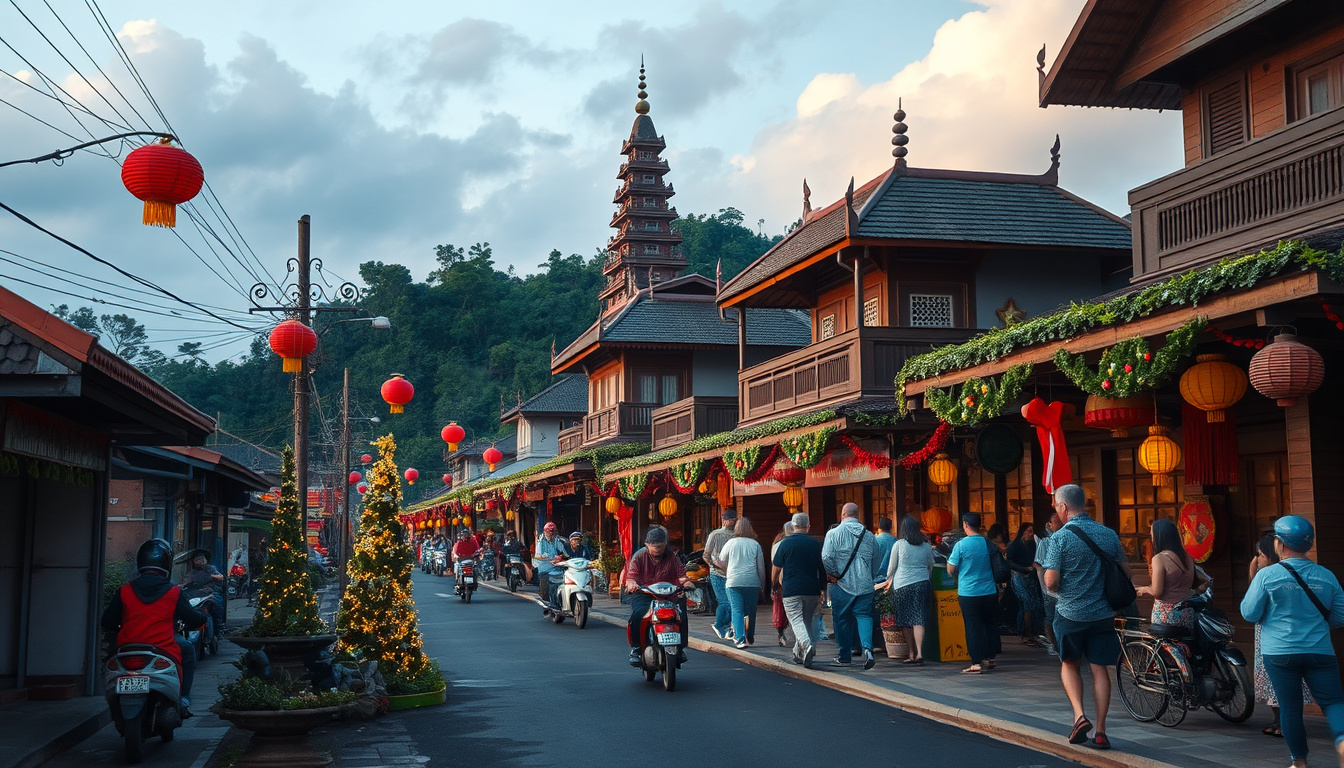
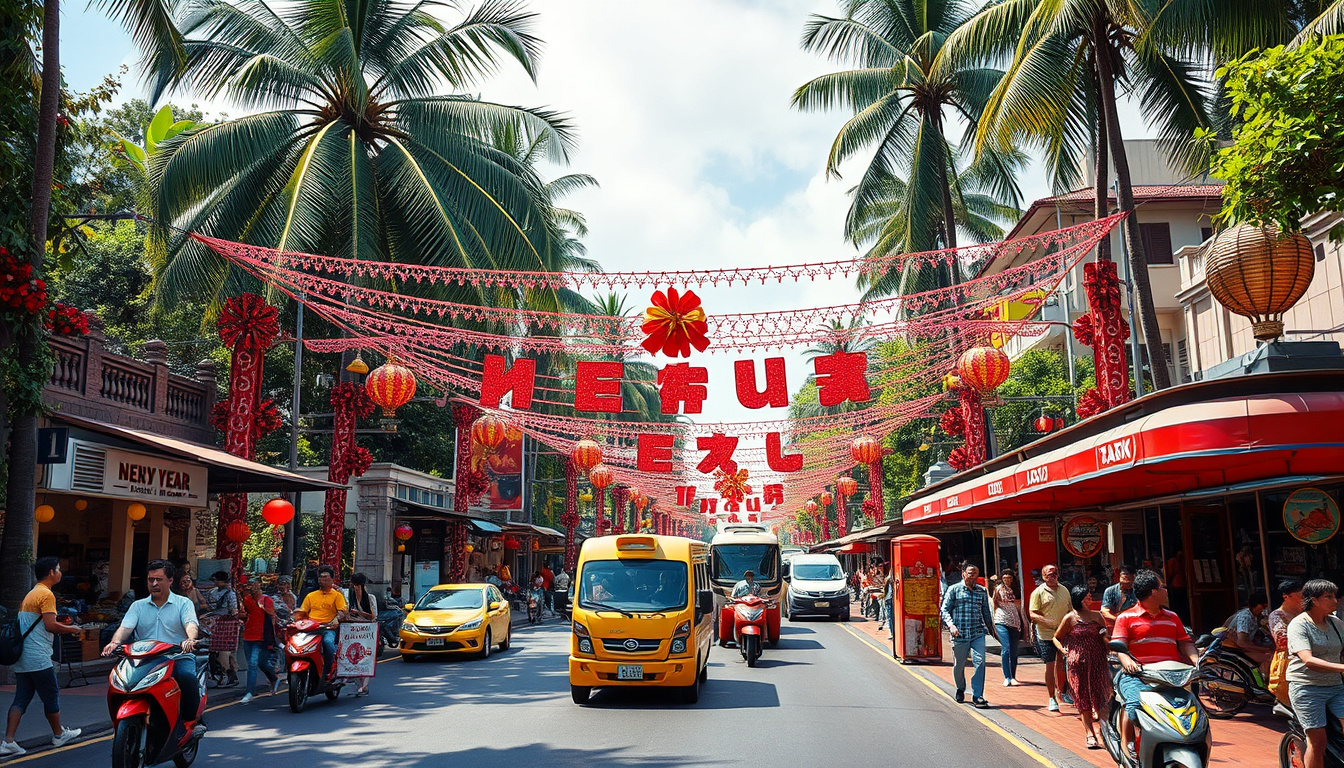
Such sentiments are echoed widely online, where “expectations vs reality” posts about Bali proliferate. Stunning shots of beachside restaurants at sunset are juxtaposed with images of overflowing rubbish on pathways, glamorous waterfall selfies contrast long queues and crowded sites, and idyllic al fresco smoothie moments are clouded by congested traffic and air pollution from motorbikes.
The Rise and Strain of Mass Tourism
Bali’s rise as a global tourism hotspot is undeniable. Visitor numbers soared from 3.8 million in 2014 to 6.3 million in 2024, with projections for 2025 suggesting over seven million tourists could visit the island. Many come seeking the spiritual peace popularized in memoirs like Eat, Pray, Love, but instead find traffic jams, crowds, and ongoing construction across the island.
This tourism boom, while economically beneficial, has heavily strained Bali’s environment and infrastructure. Poor waste management and rapid urban development played a role in rare but deadly floods that struck this year, causing over a dozen fatalities. In response, local authorities have imposed restrictions on new construction, though many critics view these efforts as coming too late.
Culture and Commerce: A Double-Edged Sword
Bali’s draw is deeply rooted in its unique Hindu culture, ancient temples, and natural beauty. Traditionally, the island is viewed as a spiritual haven with a profound respect for nature and sacred traditions. However, over recent decades, the island’s identity has shifted as tourism has promoted beach clubs, surf houses, and luxury resorts catering largely to Western visitors seeking affordable opulence.
“With social media, people only see curated snapshots, resulting in a superficial understanding of the island,” explains Gisela Williams, a travel writer who has visited Bali since the 1990s. “You just see a picture and then you go.”
British content creator Hollie Marie, now residing in Bali, warns that limiting tourism to “Instagrammable” spots distorts visitors’ experience, causing them to miss the island’s rich cultural depth. Locals and long-term residents highlight less crowded northern areas, coastal forests, and traditional villages where Bali’s authentic beauty remains untouched by mass tourism.
The Local Perspective: A Changing Bali
Residents note profound changes to their island. Twenty-two-year-old Ni Kadek Sintya recalls when roads near her home in Canggu passed peaceful paddy fields; now congested with traffic and lined with villas and cafes. “Every time I pass that spot, I feel a sense of sadness. Bali is being eroded day by day,” she reflects.
Canggu epitomizes Bali’s transformation from a quiet fishing village to a busy tourist hub, inspiring a ripple effect across other regions like Pererenan and Ubud. This expansion brings both economic opportunity and environmental pressure, raising concerns about unchecked development.
I Made Vikannanda, a Balinese environmental researcher, notes the irony of tourists lamenting overcrowding while contributing to it. “We’re all part of the problem,” he says. Yet, despite challenges, Vikannanda remains hopeful—especially with young locals actively engaging in preserving their island.
Tourism’s Complex Legacy: Opportunity Amid Tensions
Tourism is essential to Bali’s economy, providing livelihoods to many like Sintya who feel caught between the benefits and drawbacks of a boom that threatens their way of life. Rising incidents of tourist misbehavior—from dangerous scooter accidents to disrespect of sacred sites—have drawn public scrutiny and strained relationships.
The recent influx of Russians and Ukrainians fleeing conflict has also introduced new social challenges, with reports of increased criminal activity prompting official warnings.
Towards Sustainable Futures
Recognizing the urgent need for sustainable tourism, local groups and businesses have launched initiatives focused on waste management, beach clean-ups, and environmental education. Bali’s government has taken steps such as banning single-use plastics and setting guidelines for visitor conduct.
While these measures face debate over effectiveness and timing, community engagement and youth participation offer hope for balancing development and conservation.
Bali’s story is a cautionary tale about the consequences of rapid tourism growth fueled by social media-fueled idealism. While the island’s natural and cultural treasures remain profound, visitors and locals alike now confront the difficult task of preserving this “last paradise” amid the pressures of modern popularity.



Add a comment