


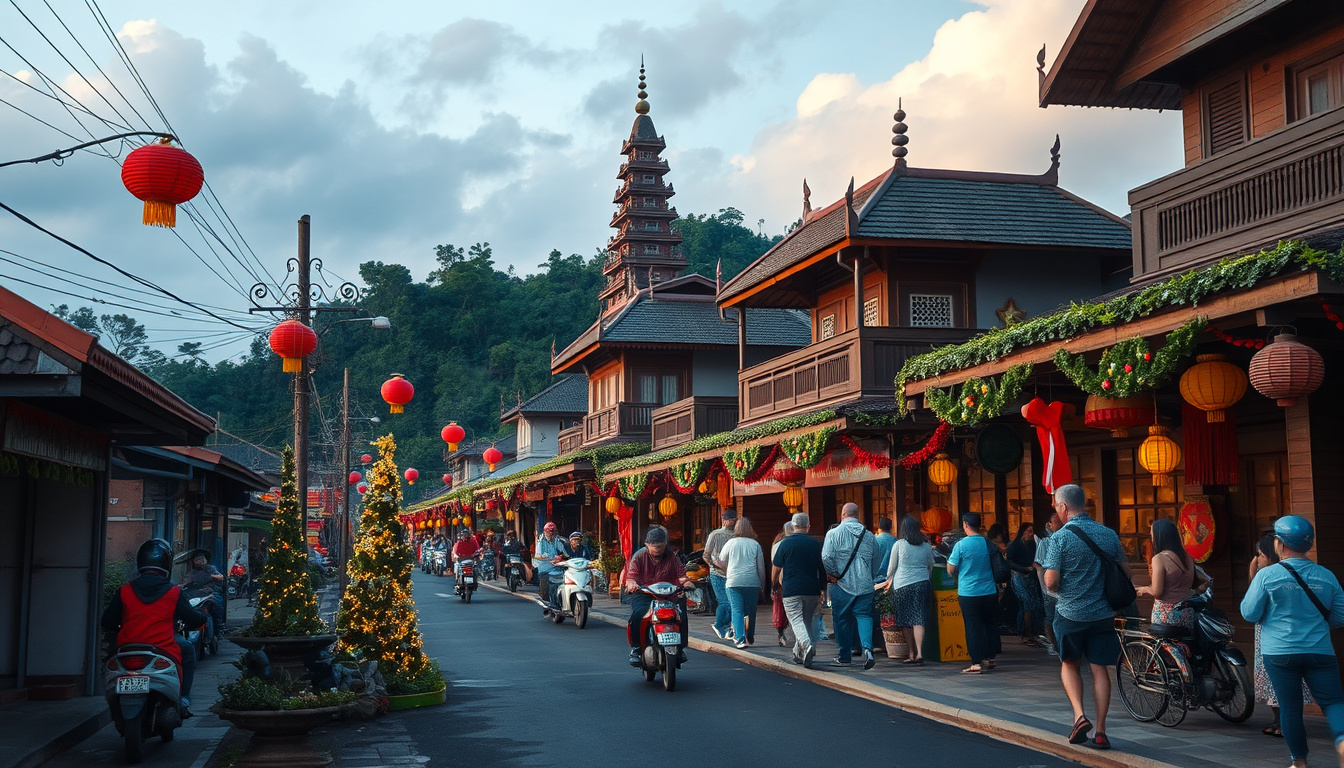





Bali’s Tourism Paradise Faces Increasing Strain Amid Surging Visitor Numbers
Bali, Indonesia — In 2024, Bali welcomed over 6.3 million international tourists, marking a significant milestone for the island renowned as a global tourism paradise. While such figures might usually signify economic success, for Bali, this surge has brought visible challenges that highlight the mounting pressures on its infrastructure, environment, and cultural sites.
Signs of Strain Across Popular Destinations
Visitors arriving at Denpasar Airport are immediately met with long traffic delays en route to popular areas like Ubud. Once-pristine beaches are overwhelmed by rows of sunbeds and littered with plastic waste. Iconic rice terraces suffer under the weight of eager Instagram photographers, while sacred temples are crowded with tourists wielding selfie sticks, sometimes more conspicuously than the religious offerings themselves. The heavily frequented tourist corridor stretching from Canggu through Seminyak, Kuta, and Ubud to the island’s eastern cliffs now stands as one of Southeast Asia’s most densely packed tourist zones.
Shift in Tourist Preferences and Backlash
These developments have sparked a notable backlash among some travelers and industry observers. Several European and Australian tour operators report declining bookings for 2025 and 2026 compared to the record highs experienced post-pandemic in 2024. Increasingly, tourists once enchanted by Bali now inquire about alternative destinations rumored to offer quieter, cleaner experiences—such as Lombok and Sumba in Indonesia, or further afield to Sri Lanka and the Philippines.
Management Challenges Underpinning the Crisis
Experts and officials point out that Bali’s troubles extend beyond an issue of overtourism; rather, they reflect systemic weaknesses in tourism management and governance:
-
Unrestrained Promotion: Indonesia’s Ministry of Tourism persists in aggressively pushing for higher tourist arrivals without adequate regard for Bali’s accommodation, infrastructure, or environmental limits.
-
Administrative Instability: Frequent leadership changes within Bali’s provincial tourism office, inconsistent regulatory enforcement, and conflicting policies have created a fragmented oversight environment.
-
Unregulated Development: Illegal villas and undocumented businesses—including uncertified yoga centers and unlicensed bars—proliferate, often lacking proper permits or wastewater treatment.
-
Tourist Tax Collection Issues: The 150,000 rupiah (approximately $10) tax introduced in early 2024 to fund conservation efforts has seen limited compliance, with only about 35% of international tourists reportedly paying it. Collection methods remain uneven, and some hotels disregard their collection responsibilities.
Expat Community Adds Complexity
Long-term foreign residents such as digital nomads, villa owners, and yoga instructors contribute economically but have also become sources of local discontent. Some have been implicated in operating unauthorized retreats or nightlife venues, bypassing visa rules and altering the tranquil character of neighborhoods. These tensions fuel concerns that Bali’s unique culture and environment risk commodification by outsiders insufficiently attuned to local norms.
Warning Signs of a Downward Tourism Spiral
Observers warn that if left unaddressed, Bali could follow a pattern seen in other destinations overwhelmed by mass tourism: declining visitor satisfaction leads to fewer repeat visits and negative word-of-mouth, driving a shift toward lower-end, budget tourism. Already, hotels in hotspots like Canggu and Ubud report that average daily room rates during shoulder seasons have fallen by 10 to 15 percent compared to 2023, despite rising operational costs. Iconic beaches are increasingly featured on traveler “most disappointing” lists, and sacred sites like Tanah Lot and Besakih Temple have imposed visitor limits and timed entries, measures perceived by locals as overdue.
Strategies Proposed to Protect Bali’s Future
While some degradation may be inevitable with popularity, experts emphasize that decisive political action and clear regulatory frameworks can redirect tourism toward sustainability. Successful comparative cases include Bhutan’s focus on exclusive, high-value tourism, Palau’s environmental standards, and Iceland’s managed reopening post-pandemic.
For Bali, recommended measures include:
-
Enforcing strict visitor capacity limits in southern Bali and encouraging development in less crowded northern and eastern regions.
-
Implementing a compulsory, universally collected tourist tax levied on arrival.
-
Cracking down on illegal construction, visa violations, and unregulated businesses through visible enforcement.
-
Promoting a tourist dispersal strategy with incentives and infrastructure investment in underdeveloped areas, highlighting the “other Bali.”
-
Restoring local village authority to approve or reject large development projects, reinforcing community control.
Urgency and Opportunity
Bali’s outstanding natural beauty, vibrant culture, and hospitable people remain its greatest assets. However, with tourism reaching a tipping point, island leaders face a narrow window to enact reforms that safeguard these treasures. Without swift and effective action, Bali risks diminishing the very appeal that has made it a world-renowned destination.
As the global travel landscape evolves, the challenge is clear: Bali must prove it can balance burgeoning tourism demand with preservation of its unique environment and culture, ensuring its place as a sustainable paradise for generations to come.



Add a comment