




Instagram vs Reality: Bali’s Struggle as an Influencer Paradise Faces Growing Pains
Bali, Indonesia — For years, Bali has been celebrated worldwide as a tropical paradise — a lush, spiritual haven marked by serene beaches, ancient temples, and breathtaking landscapes. Yet, beneath the glossy veneer circulated widely on Instagram, a growing number of visitors are finding their dream destination somewhat tarnished by overcrowding, pollution, and rapid urbanization. The stark contrast between expectation and reality is stirring concern among tourists and locals alike, prompting reflection on how Bali’s unprecedented popularity may be straining the island’s resources and culture.
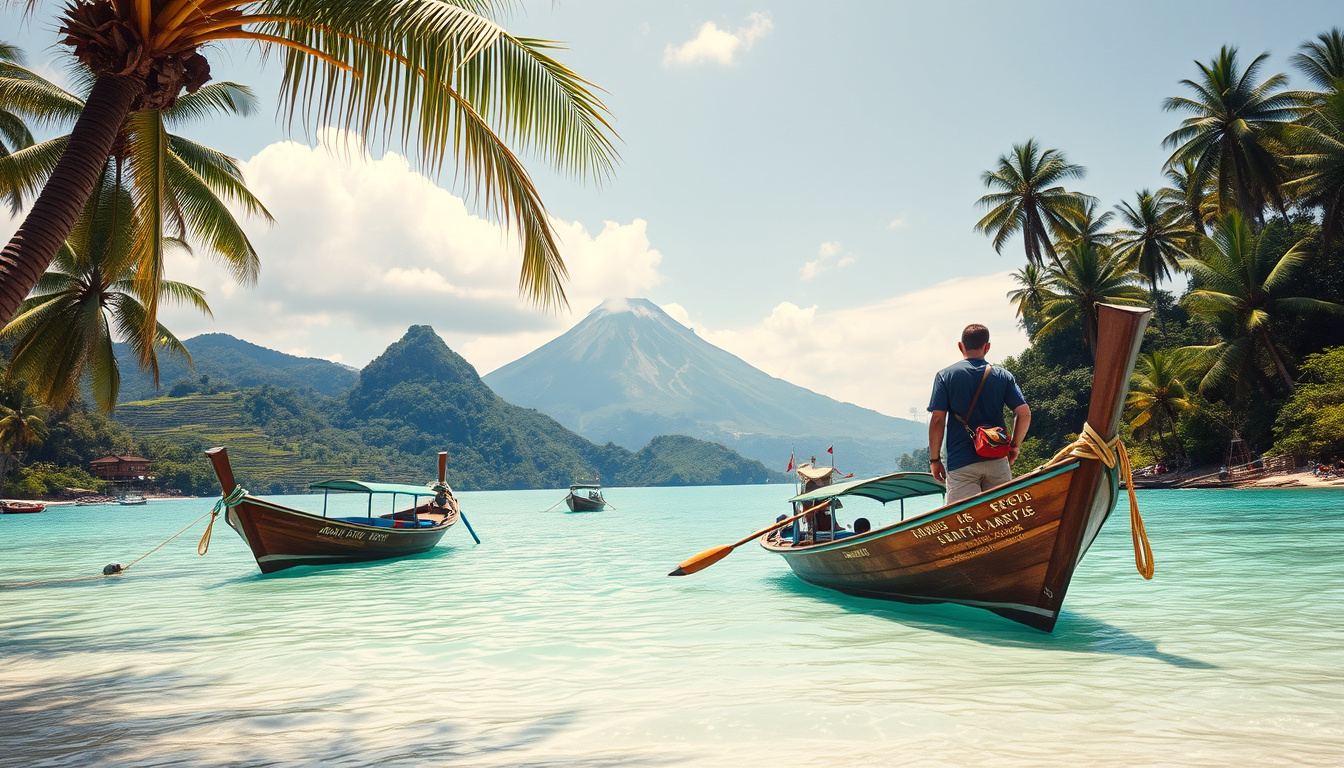
The Illusion of Paradise
British influencer Zoe Rae recently voiced her disappointment after visiting Bali, sharing on YouTube that the idyllic scenes she had anticipated from social media were overshadowed by an unsettling reality. Though she did not detail specific issues, Rae’s decision to abruptly leave Bali for Dubai during her wedding anniversary celebration underscored a disconnect felt by many travelers drawn by Instagram-perfect images but confronted with congestion, noise, and environmental degradation.
Social media is awash with comparisons highlighting the gap between curated snapshots and actual experiences. Photos showcasing sunset dinners by the beach are often contrasted with images revealing piles of rubbish nearby. Scenic waterfalls popular for bikini-clad selfies are frequently crowded with tourists queued along slippery rocks. Pictures of smoothie cafés with eco-friendly bamboo straws fail to capture motorcycles belching exhaust in surrounding traffic jams.
Bali’s tourism numbers have exploded in recent years, swelling from 3.8 million visitors in 2014 to over 6.3 million by 2024, with projections for 2025 estimating more than seven million foreign tourists. This influx is accompanied by a construction boom that has been linked to environmental hazards, such as recent devastating floods where officials cited poor waste management and unchecked development as aggravating factors.
Cultural Heritage and Tourism: A Delicate Balance
Historically, Bali’s appeal has rested on its deep spirituality, rich Hindu culture, and natural beauty. Known for its sacred sites, reverence for nature, and community traditions, the island has long attracted travelers seeking more than just beach resorts. Berlin-based travel writer Gisela Williams, a longtime visitor, notes that the island’s “myth” is rooted in the Balinese Hindu culture, which imbues the land with meaning and reverence.
However, the Bali encountered by modern tourists differs markedly from the spiritual Shangri-La immortalized in the early 2000s memoir and film Eat, Pray, Love. Today, the island is better known for its vibrant beach clubs, luxury villas, and nightlife tailored to Western visitors who often indulge in affordable luxury lifestyles. Social media further amplifies a superficial understanding of the island, encouraging visitors to seek out “Instagrammable” spots rather than engage with Bali’s deeper cultural and ecological context.
Local voices caution against this narrow perspective. British content creator Hollie Marie, who has made Bali her home, emphasizes that those relying solely on Instagram for their impression of Bali risk missing the island’s cultural richness and natural wonders hidden beyond the typical tourist hubs. Residents like Canny Claudya point out that quieter, less-visited areas such as northern Bali still offer pristine landscapes and authentic experiences far removed from the crowded party scenes.
Challenges from Tourism Growth
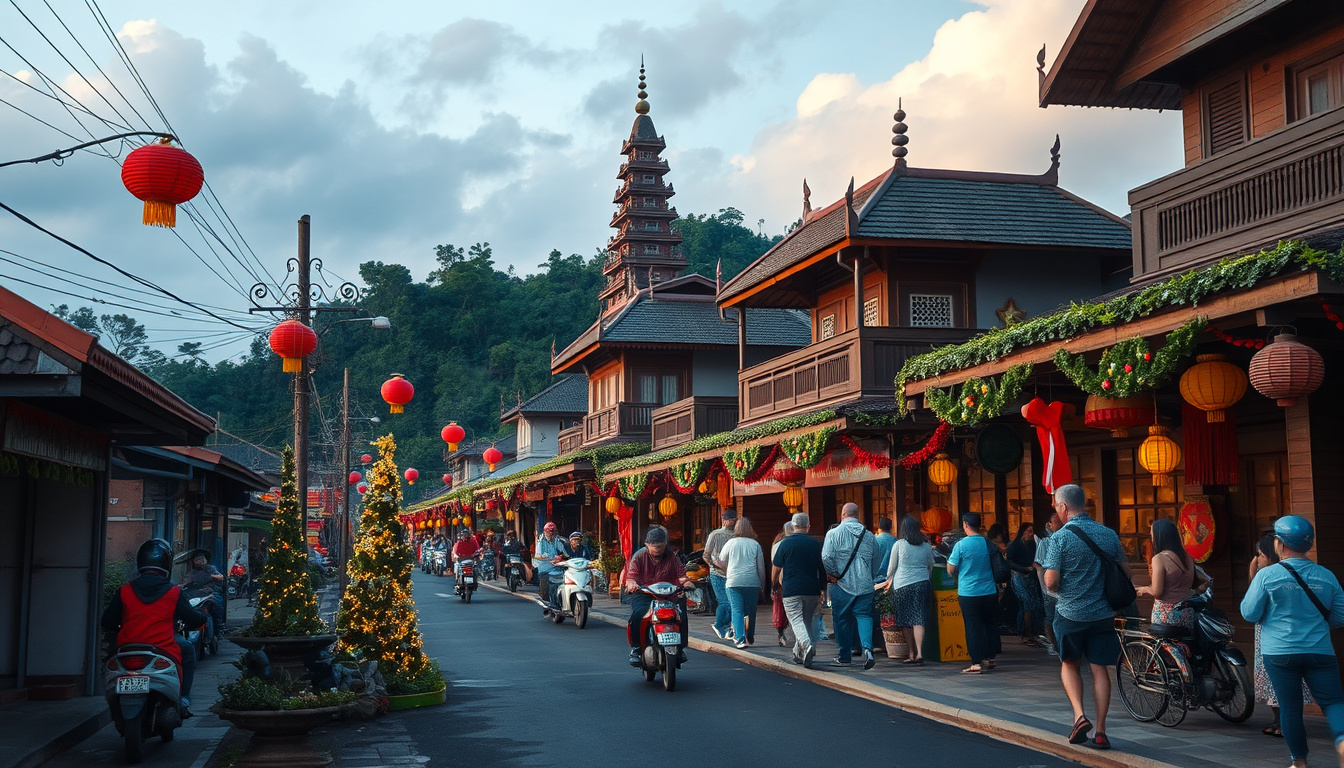
For Balinese residents, rapid tourism growth entails both opportunities and challenges. Many depend on tourism for their livelihoods but also see their island’s character eroding under relentless development. Ni Kadek Sintya, a 22-year-old local wellness resort worker, recalls when neighborhoods like Canggu were tranquil, lined by rice paddies. Now, traffic congestion, construction, and environmental degradation accompany the influx of trendy cafes, villas, and gyms catering to tourists and expatriates.
“In every motorbike jam or new building, there’s a sense of loss,” Sintya reflects. “It feels like Bali is being eroded day by day.”
The expansion of tourist areas from traditional centers like Seminyak and Uluwatu to lesser-known villages such as Pererenan and Canggu has accelerated pressure on infrastructure, ecology, and social harmony. While spreading visitors across more locations might alleviate overcrowding in some places, it risks encouraging unchecked development across the island’s fragile environment.
Tourist misbehavior has also fueled local resentment. News headlines frequently report incidents involving intoxicated scooter accidents, disrespectful acts at sacred sites, or altercations involving foreign visitors. The recent influx of Russians and Ukrainians fleeing conflict in their home countries has compounded these challenges, raising concerns about rising crime as flagged by Indonesia’s National Narcotics Agency.
Looking Ahead: Optimism Amid Uncertainty
In response to growing environmental and social pressures, Bali’s local government has pledged to restrict new construction projects, aiming to safeguard natural resources and community wellbeing. Yet many critics view these measures as belated or insufficient given the scale of the transformation.
Still, researchers and locals express cautious optimism. Advocates like I Made Vikannanda believe that with mindful management, it’s possible to balance tourism’s economic benefits with conservation and cultural preservation. “The development of Bali and the harmony of nature can still be maintained,” Vikannanda asserts, emphasizing community responsibility alongside visitor awareness.
The story of Bali’s rise from serene sanctuary to influencer hotspot is a cautionary tale of the double-edged nature of global tourism in the digital age. As millions continue to seek paradise, the island faces a pivotal moment in defining whether it can preserve its soul beneath the filter of social media glamor and sustain itself amid the realities of mass travel.



Add a comment