

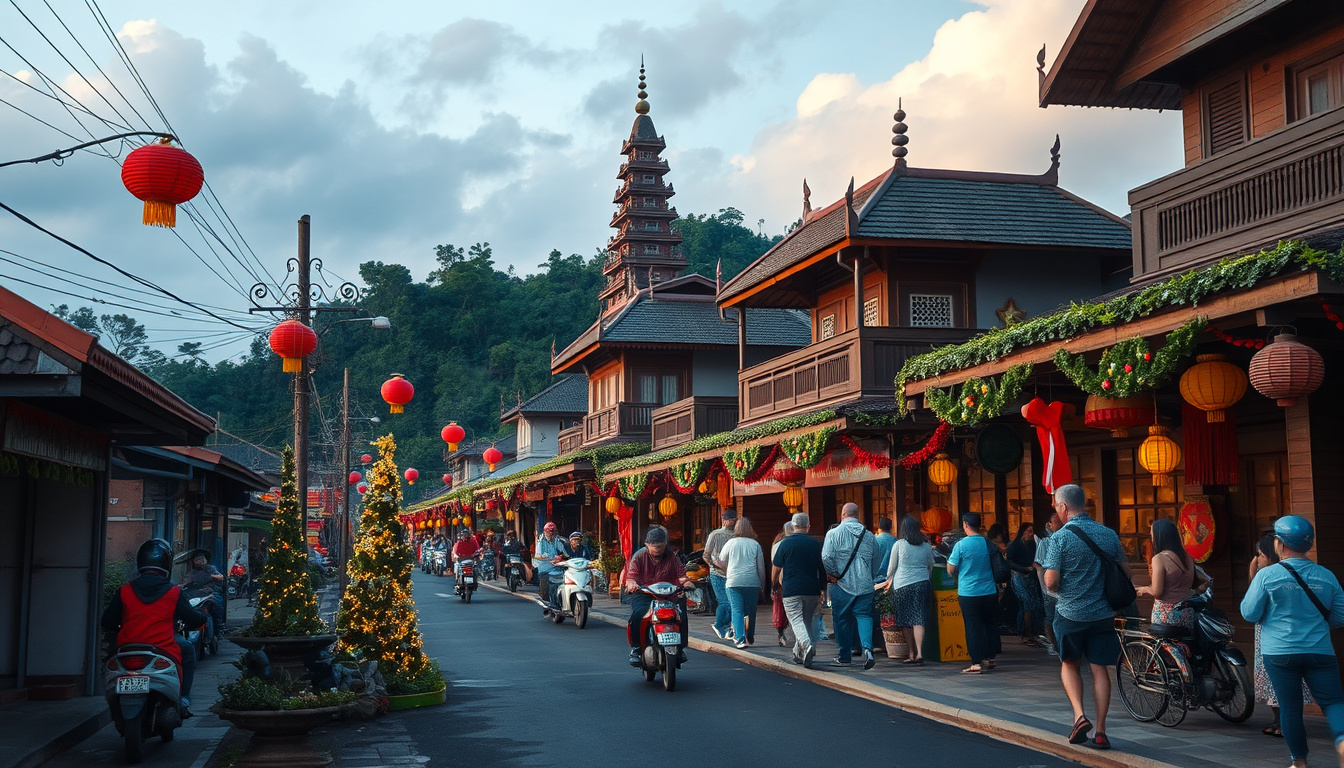






Bali’s Hidden Gem: The Rise of Long-Stay Residential Tourism and Its Impact on the Island’s Future
Bali, long revered as a premier destination for sun-seekers and cultural explorers alike, is witnessing a transformative shift in its tourism landscape. Traditionally known for mass tourism characterized by short-term, high-volume visits, the island is now embracing a burgeoning trend: long-stay residential tourism. This emerging mode of travel is poised to reshape Bali’s economic, social, and environmental future.
A Changing Tourism Dynamic in Bali
As global travel rebounds from pandemic setbacks, Bali expects to welcome over six million foreign visitors in 2024, with further increases anticipated. Yet, unlike the transient tourist who visits for brief getaways, a growing segment of travelers—digital nomads, expatriates, retirees, and families—are choosing to make Bali their home for extended periods. This shift towards residential tourism creates a more sustainable and steady flow of visitors who engage deeply with the local environment and culture.
The Allure of Extended Stays
Bali’s unique blend of natural beauty, consistently warm climate, rich cultural heritage, and affordable cost of living makes it an ideal destination for those seeking a slower, balanced lifestyle. Remote workers find the island’s environment conducive to productivity and relaxation, while retirees and families appreciate the sense of community and accessibility to amenities.
Unlike the short visits that often revolve around tourist hotspots, long-term residents tend to integrate with local life. They invest in the community by renting villas or homes long-term, patronizing local markets, restaurants, and service providers, and participating in cultural events. This leads to a more profound cultural exchange and supports economic stability beyond seasonal fluctuations.
Economic and Environmental Benefits
Long-stay tourism contributes to Bali’s economy in multifaceted ways. The steady year-round income helps small businesses, local artisans, and service providers thrive, fostering economic resilience. Long-term residents typically employ local staff such as housekeepers, gardeners, and drivers, thereby enriching the island’s workforce. Real estate demand for rentals also provides stable income streams for property owners.
From an environmental perspective, residential tourists tend to adopt more sustainable habits than short-term visitors. They often cook meals at home, use local transport, and actively participate in waste management systems, reducing pressure on Bali’s fragile resources. This model helps mitigate the strain on water supplies, electricity, and waste disposal infrastructure, which have traditionally been challenged by the ebbs and flows of mass tourism.
Challenges and Considerations
Despite its benefits, the rise of long-stay tourism introduces challenges. Increasing property demand risks driving up real estate prices, potentially displacing local residents and exacerbating gentrification in popular areas. Long-term foreign residents may cluster in enclaves, inadvertently limiting cultural integration and interaction with the local community.
Moreover, while residential tourism generally reduces environmental impacts on a per-visitor basis, the aggregate effect of a growing population must be managed carefully. Bali’s infrastructure requires ongoing investment to support increased demand on water, waste, and transportation systems. Proactive planning is essential to safeguard the island’s environment and preserve its cultural integrity.
A Vision for a Sustainable Tourism Future
To harness the advantages of residential tourism while mitigating risks, the Balinese government is encouraged to implement balanced policies. These include zoning regulations that protect natural resources, encourage equitable economic benefits for locals, and foster cultural exchange. Incentives for sustainable business practices and community engagement can help maintain Bali’s distinctive charm and heritage.
The evolving tourism sector can also capitalize on new opportunities by developing long-term rental markets, creating tailored packages for extended stays, and promoting wellness, cultural immersion, and community-driven experiences. This diversification will enhance Bali’s competitiveness while aligning tourism growth with sustainability goals.
Conclusion
Bali’s shift toward long-stay residential tourism represents a promising evolution toward a more sustainable, stable, and culturally enriching tourism model. By focusing on quality over quantity, the island can secure economic prosperity, broaden cultural understanding, and preserve its natural environment for future generations. As Bali embraces this quieter form of tourism, it lays the foundation for a balanced and resilient tourism industry that benefits both visitors and the local population alike.



Add a comment