






Bali Confronts Airbnb and Overcrowding Crisis: Can the Island Preserve Its Paradise Status Amid Overtourism from Global Travelers?
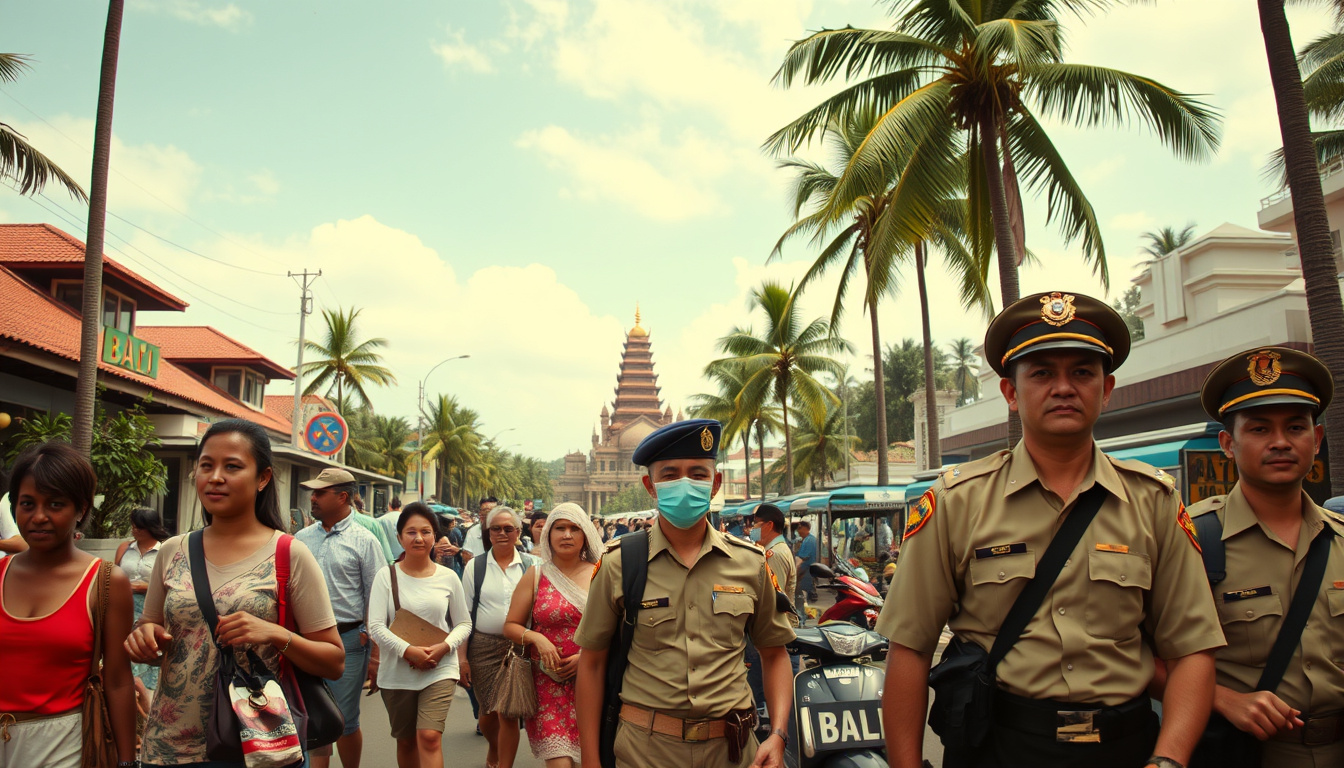
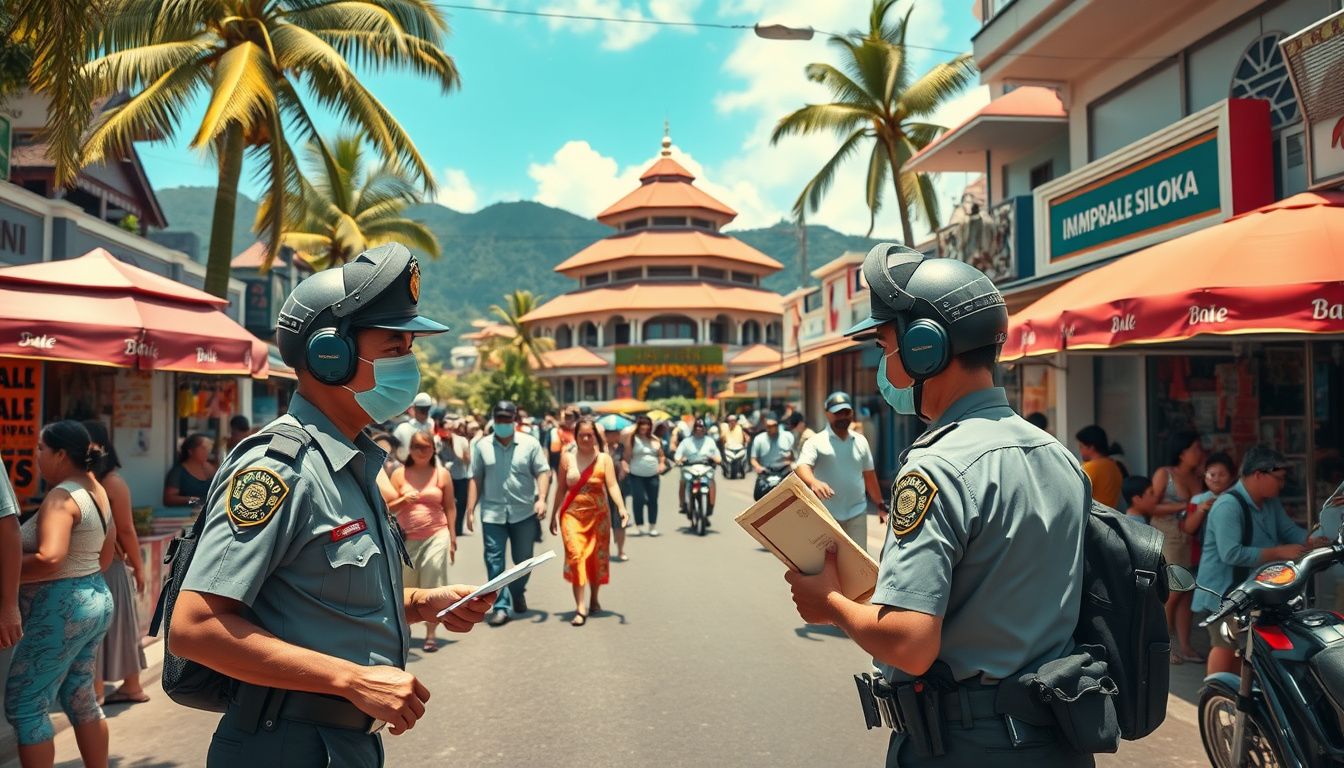
Bali, Indonesia — The Indonesian island of Bali is facing a tourism dilemma that threatens its reputation as a tropical paradise. Known worldwide for its stunning beaches, lush landscapes, and rich cultural heritage, Bali has recently experienced an overwhelming surge in tourism, especially after the easing of global travel restrictions post-pandemic. This surge has brought with it significant challenges, primarily due to the rapid and largely unregulated growth of Airbnb-style short-term rentals. In response, Bali’s authorities are now contemplating an Airbnb ban as part of a larger strategy to tackle the mounting problem of overtourism.
The Tourism Boom and Growth of Airbnb Rentals
Since the COVID-19 pandemic travel restrictions were lifted, Bali has seen a massive influx of visitors eager to experience the island’s unique offerings. Once considered a quiet retreat, Bali is now grappling with problems such as traffic congestion, overcrowded tourist sites, and an explosion in short-term rental properties, many of which are listed on platforms like Airbnb.
Local officials highlight that the swift expansion of these private rentals poses a challenge to their ability to regulate and monitor accommodations, as many are not officially registered within Bali’s tourism system. This shift has created an uneven competitive landscape, disadvantaging traditional hotels and resorts that operate under stricter government regulations and tax obligations.
Impact on Public Services and Government Revenues
One of the most troubling consequences of the unregulated growth of Airbnb-style properties is the decline in tax revenues. Unlike hotels mandated to comply with a range of taxes and regulatory standards, many villas and guesthouses operating through Airbnb and similar platforms remain unmonitored. This undermines the government’s capacity to fund vital public infrastructure and services such as road maintenance, healthcare, and community programs.
Bali’s governor, I Wayan Koster, has publicly recognized that the rise of unregulated rentals threatens the funding of essential services and hinders the government’s efforts toward sustainable development. The economic benefits brought by tourism are therefore being offset by the strain these short-term rentals place on Bali’s social infrastructure and local economy.
Exploring an Airbnb Ban as a Solution
To counter these challenges, Bali’s local government is seriously considering implementing a ban on Airbnb-style accommodations. This proposal is part of a broader overtourism management strategy aimed at curbing the detrimental effects caused by the explosive growth of short-term rentals.
The objective behind limiting Airbnb rentals is to tilt the balance in favor of traditional accommodations, which contribute more significantly to tax revenues and operate under stricter regulations. The government hopes that such a move will increase funding for public services and foster a more controlled, sustainable tourism environment.
Still, the government faces a delicate balancing act. Many tourists are drawn to Bali for its affordable, private lodging options available through platforms like Airbnb. Authorities must ensure that any ban does not alienate visitors or trigger severe economic consequences within the tourism sector.
Sustainable Tourism: Balancing Growth with Environmental and Cultural Preservation
Central to Bali’s approach is the concept of sustainability. The island’s natural resources—including its beaches, freshwater systems, and wildlife—are increasingly under pressure from the swelling number of visitors. Protecting Bali’s unique cultural heritage while accommodating growing tourist numbers is a challenge that requires careful planning and cooperation among all tourism stakeholders.
While an Airbnb ban may reduce some environmental impacts associated with tourism, it will not fully resolve the broader issue of overcrowding. The solution calls for a sustainable tourism model that balances visitor numbers, quality of tourist experiences, and the long-term health of the island’s ecosystems.
Guidance for Travelers Visiting Bali Amid Regulatory Changes
Tourists planning trips to Bali should be aware of the ongoing discussions regarding Airbnb regulations and potential bans. To support sustainable tourism and aid local efforts, travelers are encouraged to:
-
Book licensed hotels and resorts: Staying in officially registered accommodations helps contribute to Bali’s tourism tax system and promotes responsible tourism.
-
Explore less-visited destinations: Beyond popular hotspots like Ubud, Seminyak, and Kuta, Bali offers numerous quieter areas that provide more sustainable and authentic experiences.
-
Respect local customs and environmental efforts: Tourists should minimize waste, avoid single-use plastics, and engage respectfully with Bali’s cultural traditions.
-
Stay informed about local regulations: Monitoring news related to short-term rental policies will help travelers adjust their plans and accommodation choices as needed.
Looking Ahead: A Sustainable Future for Bali Tourism
As Bali debates the merits of banning Airbnb-style short-term rentals, the overarching goal remains clear: establishing a sustainable and responsible tourism ecosystem that protects the island’s environment and cultural heritage for future generations.
Bali’s success as a global tourist destination will rely on the government’s ability to manage visitor numbers intelligently while fostering collaboration among hotels, local businesses, and communities. Through a balance of effective regulation and innovative solutions, Bali can continue to be a paradise for travelers while securing a resilient future for the island and its residents.



Add a comment