




Debate Intensifies Over Controversial Glass Elevator at Bali’s Iconic Kelingking Beach
By Tim Swanston and Ake Prihantari
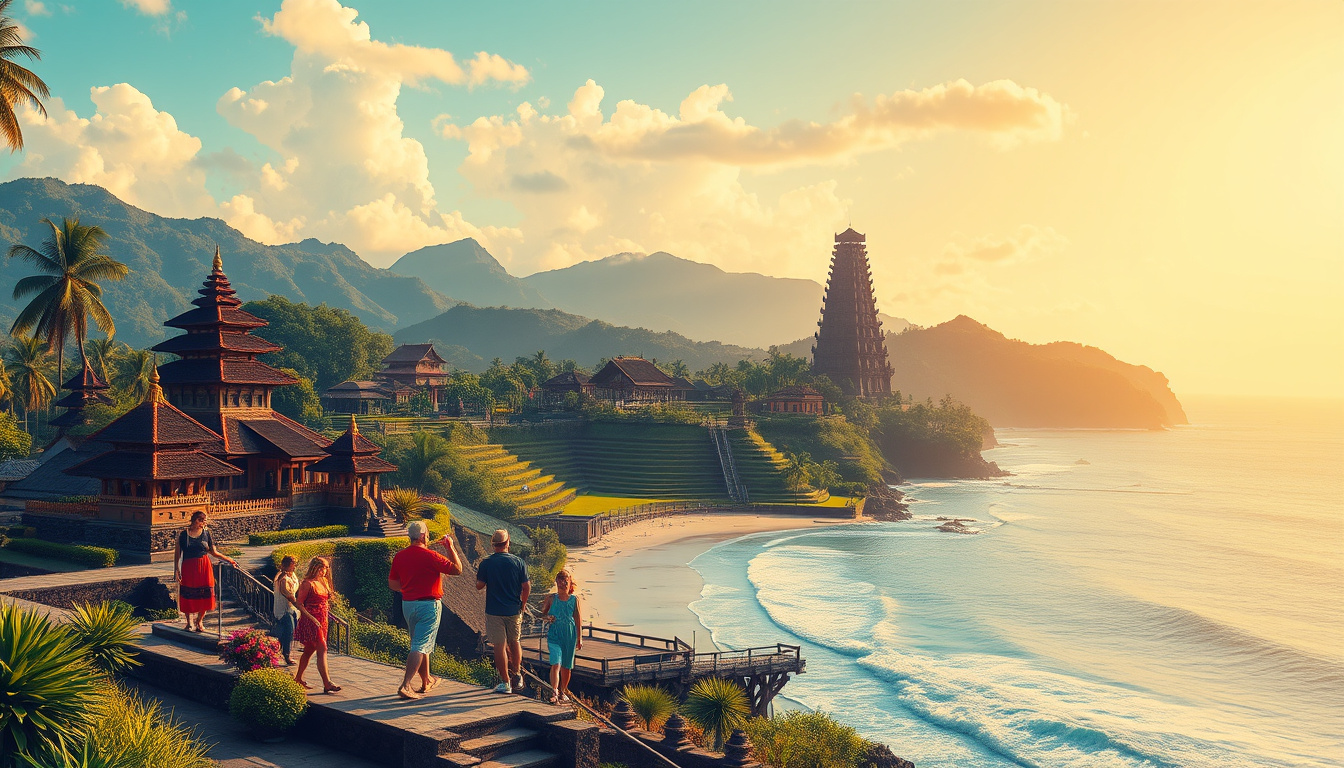
Bali, Indonesia — The serene and breathtaking panorama of Kelingking Beach on Nusa Penida Island, known globally for its dramatic cliffs and turquoise waves, has recently been overshadowed by a contentious construction project: a towering 182-metre glass elevator rising sharply from the beach toward the cliff face. This structure, aiming to provide easier access to the popular but treacherous beach below, has sparked heated debate among locals, tourists, environmentalists, and government officials over its impact on the environment and the natural beauty of the site.
Iconic Landscape Meets Modern Development
Kelingking Beach is famed for its steep, lush cliffs shaped intriguingly like a T-Rex, attracting thousands of visitors yearning to capture its unique scenery and experience the challenge of descending the steep pathways to the shore. However, many tourists find the hike daunting and never make it to the sand.
The new glass lift was proposed as an innovative solution to overcome this difficulty by providing direct access from the cliff top to the beach. Construction on this project has been underway for more than 18 months. However, the massive structure, featuring supports embedded into the cliffs, has altered the view from the top significantly and become a focal point of criticism.
Government Suspends Construction Amid Permit Controversy
This past week, Bali’s provincial authorities took the rare step of suspending all construction activities on the elevator to thoroughly review the permits associated with the project. The permit review was prompted by concerns over procedural irregularities. According to I Made Supartha, head of Bali’s Regional Spatial Planning, Assets and Licensing committee, the developer had obtained approval from Klungkung Regency officials, but failed to secure necessary permissions from higher district and provincial authorities.
Supartha explained, “The lift starts from a high elevation, so both provincial and central government studies should have been completed. The permit process wasn’t done properly.” He further expressed frustration over what he described as "deceptive moves" by the developers to circumvent appropriate regulatory oversight.
Locals and Tourists Divided
The reaction from the public has been stark and divided. Many locals and conservationists express sorrow and disappointment over the perceived irreversible damage to a natural wonder. Senator Niluh Djelantik, a Bali-based independent national lawmaker, lamented, “It breaks my heart. The beauty is being taken away…there’s nowhere else in the world like here. The local authorities need to ask themselves, ‘What are we doing to our mother?’”
Environmental NGOs like Walhi Bali have warned about the fragility of the landscape, cautioning that the construction risks causing long-term ecological damage and increased erosion. Made Krisna Dinata of Walhi emphasized, “You’re talking about potentially uncontrollable environmental impacts down the line… All they’re really doing is creating more risks for visitors.”
Tourists echo these concerns. French visitor Pauline remarked, “It’s the most beautiful landscape we’ve ever seen but this elevator ruins it,” while Daniela from Germany urged that the location be preserved without further commercialization. Others fear the transformation of Bali’s natural scenery into “Instagrammable” tourist traps may reduce its authentic cultural charm.
Economic Arguments and Hope for Tourism Growth
Conversely, some local business owners hope the elevator will bring increased foot traffic and new economic opportunities. Kadek Yartini, who operates a small restaurant near the cliffs, expressed optimism, “Right now we don’t really have many customers. Once it’s done, we might get more visitors… personally, I’m happy about the lift. Hopefully, we’ll get more sales and customers.”
The lift’s developer is reportedly the China Kaishi Group, also identified as PT Indonesia Kaishi Tourism Property Investment Development Group, though ABC News has been unable to reach company representatives for comment.
The Larger Debate: Development vs Conservation in Bali
The controversy over the glass elevator encapsulates a broader dilemma faced by Bali amid growing tourism numbers. With over 6.3 million foreign visitors expected this year, a surge that may break previous records, the island is grappling with the pressure to expand infrastructure and tourism facilities, often at odds with preserving its natural environment and cultural heritage.
Following recent deadly floods linked to overtourism and environmental degradation, Bali’s government has taken precautionary steps, including issuing moratoriums on developing agricultural lands. The elevator project has tested the resolve of officials to strike a balance between economic development and environmental stewardship.
Senator Djelantik observed the grim reality, “Love is supposed to make you happy, not kill you. This is not love, this is an abuse, this is pure greed. At the end of the day, we as Balinese have to take the consequences.”
What Comes Next?
For now, the elevator remains unfinished and suspended. Authorities have committed to a full permit review and will summon the developer and local governments for clarifications. If the project is ultimately cancelled, questions remain about the timeline and responsibility for dismantling the structure, which continues to dominate the landscape of one of the world’s most celebrated beaches.
As Bali ponders its path forward, the future of the glass elevator at Kelingking Beach may serve as a symbol of the island’s ongoing struggle to preserve its unique identity while accommodating the demands of modern tourism.



Add a comment