



Bali: Instagram Paradise Turns Victim of Its Own Success
Bali, the idyllic Indonesian island long hailed as a tropical paradise, is grappling with the sobering reality behind its glossy social media image. Once celebrated for its spiritual richness, natural beauty, and serene landscapes, the island has become overwhelmed by the very tourism boom it inspired.
Expectations versus Reality: The Social Media Disconnect
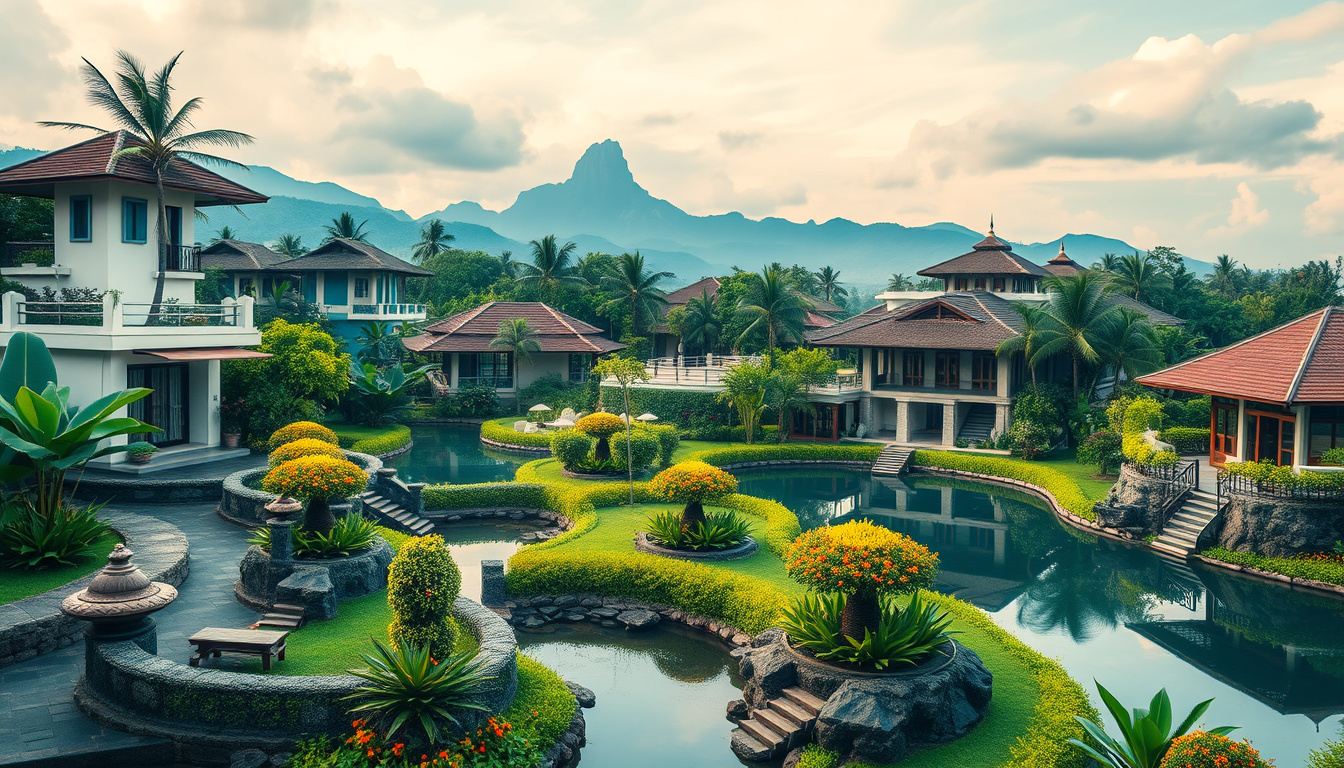
Tourists often arrive with high expectations shaped by countless Instagram posts showcasing Bali’s picturesque beaches, hip cafes, and serene resorts. However, an increasing number are left disillusioned by crowded beaches, rampant traffic jams, and mounting environmental issues.
Zoe Rae, a recent visitor, captured this sentiment in a July YouTube video from her hotel room. She shared that despite her excitement fueled by social media, something seemed “just not quite right” upon arrival. Although she didn’t explicitly detail her concerns, the contrast between curated photos and actual conditions prompted her to cut short her Bali stay and relocate her wedding anniversary celebrations to Dubai.
Her experience symbolizes a growing trend of tourists confronting the disparity between Bali’s Instagram allure and the island’s congested, polluted reality.
Overcrowding, Pollution, and Environmental Strain
Once a quiet haven for adventurers and spiritual seekers, Bali’s visitor numbers have surged from 3.8 million in 2014 to over 6.3 million last year, with projections to surpass seven million tourists this year alone. This explosive growth has brought infrastructure challenges including severe traffic congestion and increased waste, especially plastic pollution on beaches.
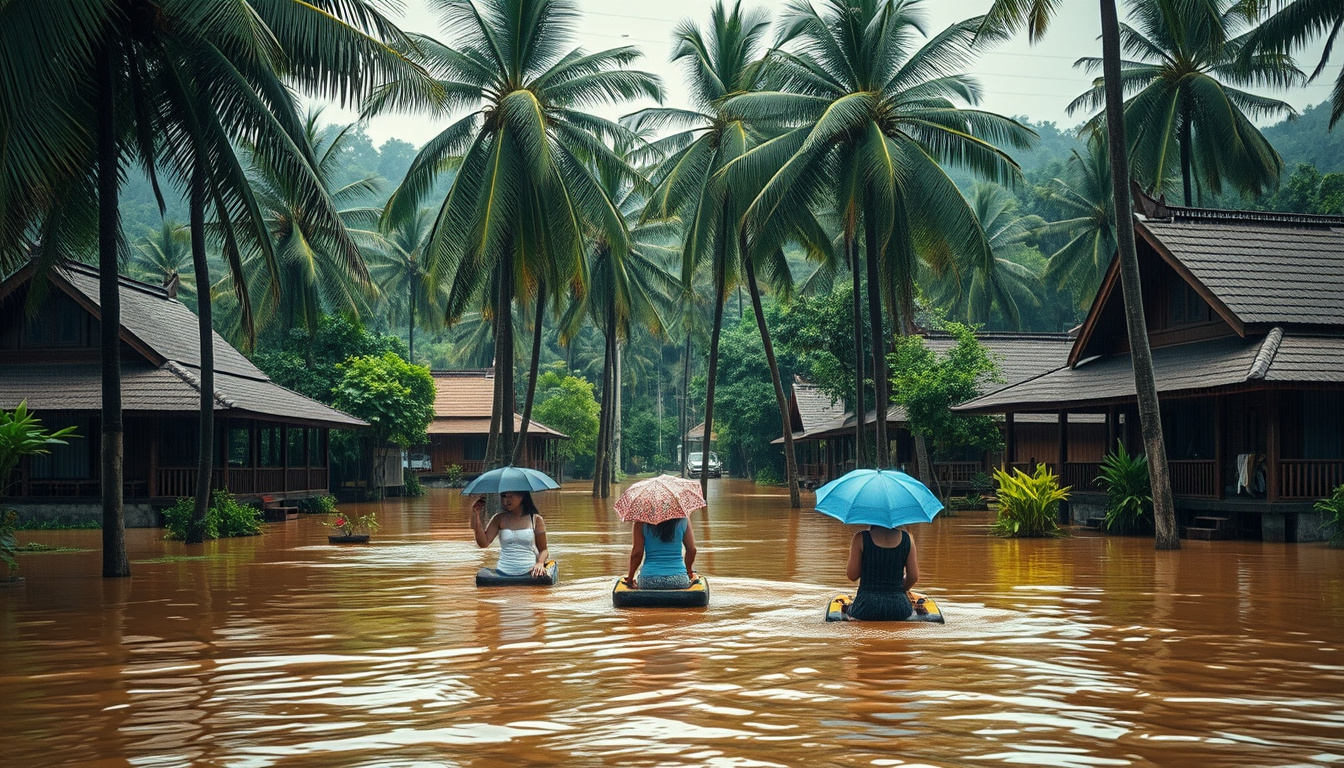
Recent floods, which claimed over a dozen lives, have further highlighted the consequences of poor waste management and uncontrolled urban development on the island. While local authorities have announced restrictions on new construction, many residents and observers view these measures as insufficient and overdue.
The Evolution of Bali’s Tourism
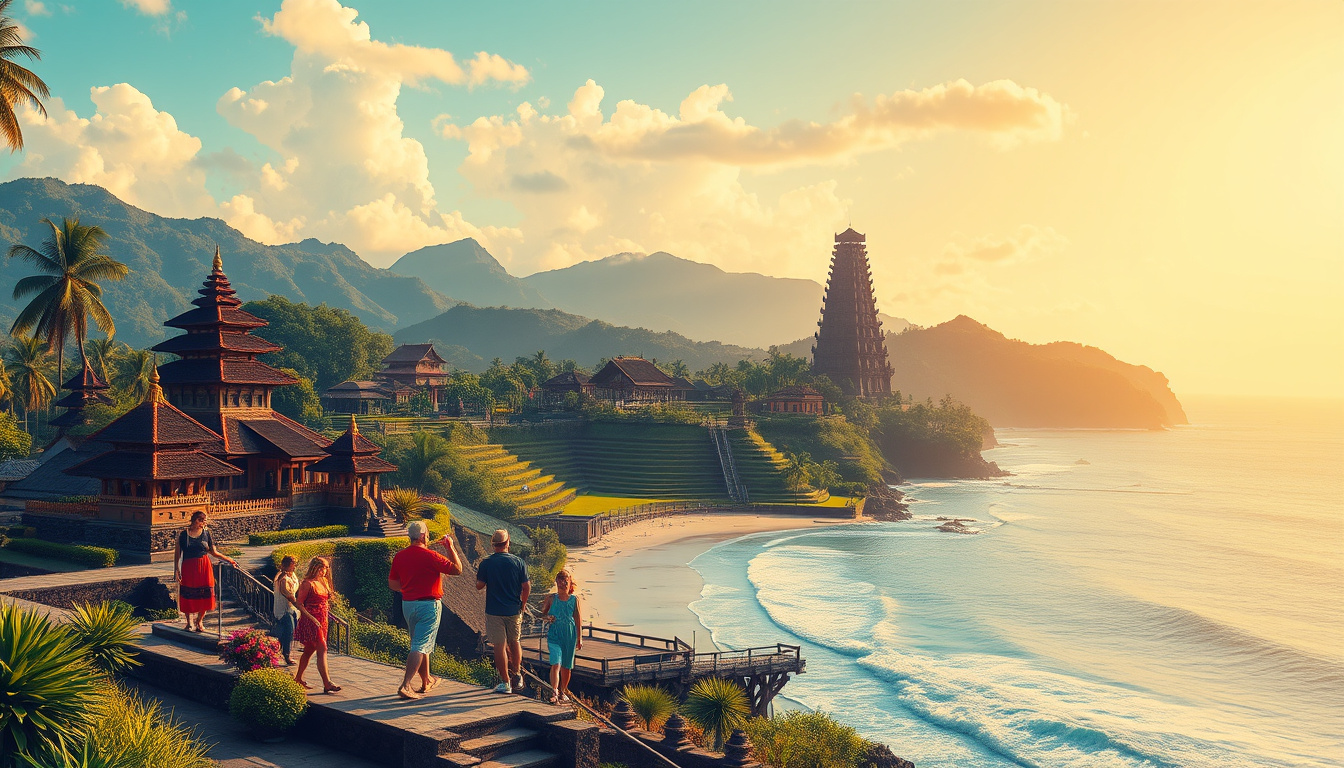
Historically, Bali enchanted Western travelers with its rich Hindu culture, ancient temples, and verdant rice paddies. The island’s spirituality and deep reverence for nature fostered a unique cultural identity, famously portrayed in the memoir and film Eat, Pray, Love.
However, contemporary tourism increasingly centers on luxury beach clubs, surf houses, and upscale villas, with many visitors seeking indulgence and social media-worthy moments rather than cultural immersion. As travel writer Gisela Williams notes, the impact of social media can produce a superficial understanding of Bali, where travelers often see only the polished facade and neglect the island’s deeper cultural fabric.
British content creator Hollie Marie, who lives in Bali, cautions against relying solely on Instagram to understand the island’s reality. She urges visitors to explore beyond the typical tourist hotspots to experience Bali’s rich cultural and natural diversity, such as dolphin watching, tranquil northern landscapes, and forest retreats in Ubud.
Local Perspectives: Balancing Tourism and Authenticity
Residents acknowledge the profound changes tourism has brought. Ni Kadek Sintya, a young local reliant on the tourism sector, reflects on how her once tranquil scooter rides through rice fields in Canggu have been replaced by traffic jams and urban sprawl. She describes a growing sense of loss and nostalgia for the Bali that is “being eroded day by day.”
Balinese researcher I Made Vikannanda highlights the irony in tourists lamenting overcrowding, noting that visitors are part of the problem they criticize. He remains cautiously optimistic, emphasizing that sustainable development is still achievable with active involvement from the island’s youth.
Challenges Beyond Overcrowding
The influx of international visitors has occasionally sparked tensions due to misconduct, including dangerous scooter accidents, disrespect at sacred sites, and alcohol-fueled disturbances. The recent arrival of thousands of Russians and Ukrainians fleeing conflict has also raised concerns, with local authorities warning about an uptick in criminal activities involving some among these groups.
Social media is now a platform where locals and vigilant travelers alike call out bad behavior as the community strives to safeguard Bali’s reputation and dignity.
Efforts Toward Sustainability and Preservation
Despite the pressures, grassroots campaigns and business initiatives are emerging to promote sustainability. From education on waste management to organising beach clean-ups, local activists and entrepreneurs are working to restore and protect Bali’s environment.
In a notable move earlier this year, Bali banned single-use plastics and introduced behavioral guidelines for tourists to mitigate environmental degradation. However, effective regulation and enforcement remain crucial for lasting impact.
Looking Ahead
Bali stands at a crossroads. Its global popularity has brought economic benefits but also environmental and cultural challenges that threaten the island’s allure and quality of life. As stakeholders—government, residents, tourists, and activists—converge on solutions, the key will be balancing growth with sustainability to preserve the essence of what makes Bali truly special.
The island’s future hinges on how well it can manage the delicate interplay between natural beauty, cultural heritage, and modern tourism demands. Until then, the gap between Bali’s Instagram fantasy and reality #Bali on the ground continues to widen, offering a cautionary tale about the costs of unchecked success.



Add a comment