




Construction of Glass Elevator at Bali’s Kelingking Beach Sparks Local Outrage and Is Temporarily Halted
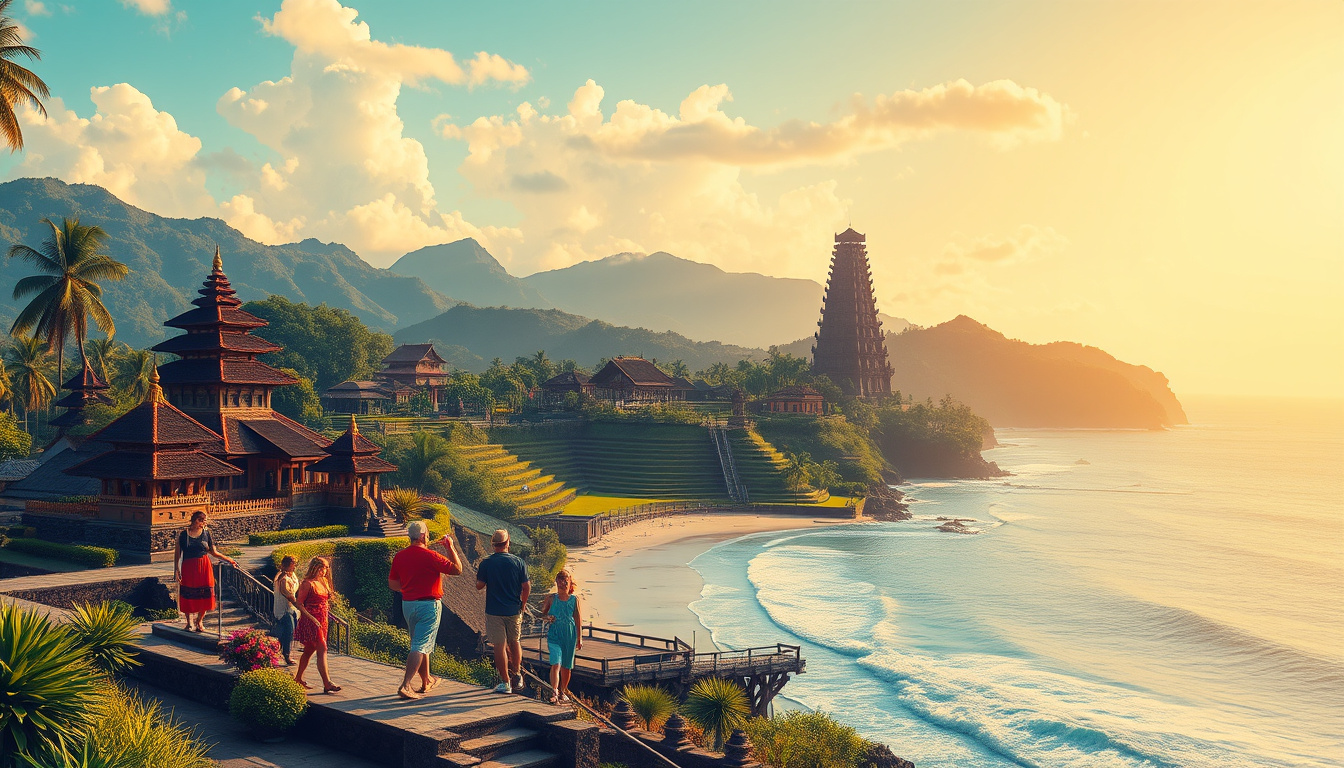
The picturesque Kelingking Beach on Nusa Penida island, Bali, known worldwide for its iconic T-Rex shaped cliff formation and stunning panoramic views, is at the center of controversy following the construction of a towering 182-meter glass elevator. The project, initiated by the China Kaishi Group in July 2023, aims to boost tourism by providing safer and easier access from the cliff top down to the beach below. However, the construction has elicited significant backlash from local residents and environmental advocates, leading to a temporary halt ordered by Bali authorities in early November 2025. A Controversial Addition to a Pristine Landscape
Kelingking Beach, accessible via a steep and treacherous path, is a popular spot for tourists seeking breathtaking views and a challenging descent. The China Kaishi Group’s elevator project includes not only two external sightseeing elevators but also a sky café, restaurant, and a 400-square-meter panoramic overlook, collectively designed to enhance visitor experience and safety. The developers promoted the initiative as a solution to the dangerous climb, which can take nearly two hours, citing a vertical cliff drop close to 200 meters.
Despite these planned benefits, footage of the ongoing construction reveals a large metal structure dramatically altering the natural vista. Locals and environmentalists have expressed dismay that the elevator disrupts one of Bali’s most treasured natural landscapes, which many tourists visit specifically to enjoy its unspoiled panorama.
Local and Governmental Responses
The outcry from Balinese residents is substantial. Made Sediana, a local resident, lamented the loss of the beach’s natural beauty, stating, “It is a shame that the beautiful view of Kelingking Beach has been destroyed. Tourists come to enjoy the panorama, not lifts.” Similarly, Bali senator Niluh Djelantik has emerged as a vocal critic, condemning the elevator as emblematic of excessive development on the island and emphasizing the risks posed by strong ocean currents.
Safety concerns are heightened by the fact that swimming at Kelingking Beach is permanently prohibited due to hazardous currents; a recent fatality involving a French tourist who ignored warnings underscores the persistent dangers. The elevator supporters highlight that the installation could aid in emergency evacuations, yet critics caution that improved access might inadvertently increase visitors to a dangerous location.
In reaction to the controversy, Bali authorities suspended construction in early November 2025, citing the absence of certain regulatory permits. I Made Supartha, head of the committee overseeing planning and permits, stated: “If the project violates spatial regulations, enforcement must proceed. We want to ensure there’s no further activity on site.” Meanwhile, the Indonesian tourism ministry defended their ongoing supervision of the project, emphasizing commitments to sustainability, safety, and cleanliness.
Tourism Impact and Future Prospects
Despite objections, some officials believe the elevator will ultimately benefit tourism. Deputy ministry official Hariyanto told Indonesia’s Tempo magazine that visitor numbers to Kelingking Beach increased by over 35% from 2023 to 2024, and he expects tourism to remain high as construction progresses. The project is anticipated to increase the duration tourists spend on Nusa Penida, potentially boosting the local economy.
The future of the glass elevator remains uncertain as government bodies review compliance with spatial planning laws and assess the public’s environmental and cultural concerns. The China Kaishi Group has yet to issue further comments following the suspension.
Balancing Development and Conservation
The case of Kelingking Beach highlights the tension between development aimed at expanding tourism infrastructure and preserving the natural and cultural essence of destinations that draw visitors in the first place. While increased accessibility and safety are appealing objectives, it remains a critical challenge to ensure such projects respect local values and environmental integrity.
As Bali authorities consider the next steps, the fate of the world’s first cliffside sightseeing elevator at Kelingking Beach serves as a vivid example of the complexities facing sustainable tourism development in ecologically and culturally sensitive areas.



Add a comment