




Controversial Glass Elevator Project Officially Halted at Kelingking Beach, Nusa Penida
Authorities in Bali have officially suspended the construction of the Glass Elevator Project at the renowned Kelingking Beach on Nusa Penida island. The controversial development, which involves building a 182-meter glass elevator along the cliff face, has sparked widespread concern over building violations, environmental impact, and lack of proper permits.
Suspension and Investigation Initiated
Construction on the elevator has been underway for over a year, but renewed scrutiny from provincial government officials has led to its formal suspension. Made Supartha, Head of the Special Committee on Spatial Affairs, Assess, and Permits, confirmed that the project was in violation of Indonesia’s Law No. 26 of 2007 on Spatial Planning. He further emphasized that local police will ensure construction activities cease immediately.
In contrast, Made Sudiarka Jaya, Head of the Klungkung Investment and One-Stop Integrated Licensing Service (DPMPTSP), recently stated that the project possesses a Business Identification Number (NIB) and a Building Permit (PBG) valued at IDR 1.05 billion, suggesting legal compliance. However, Supartha clarified that several important permits are missing, including those related to disaster mitigation and workplace safety.
Environmental and Cultural Concerns
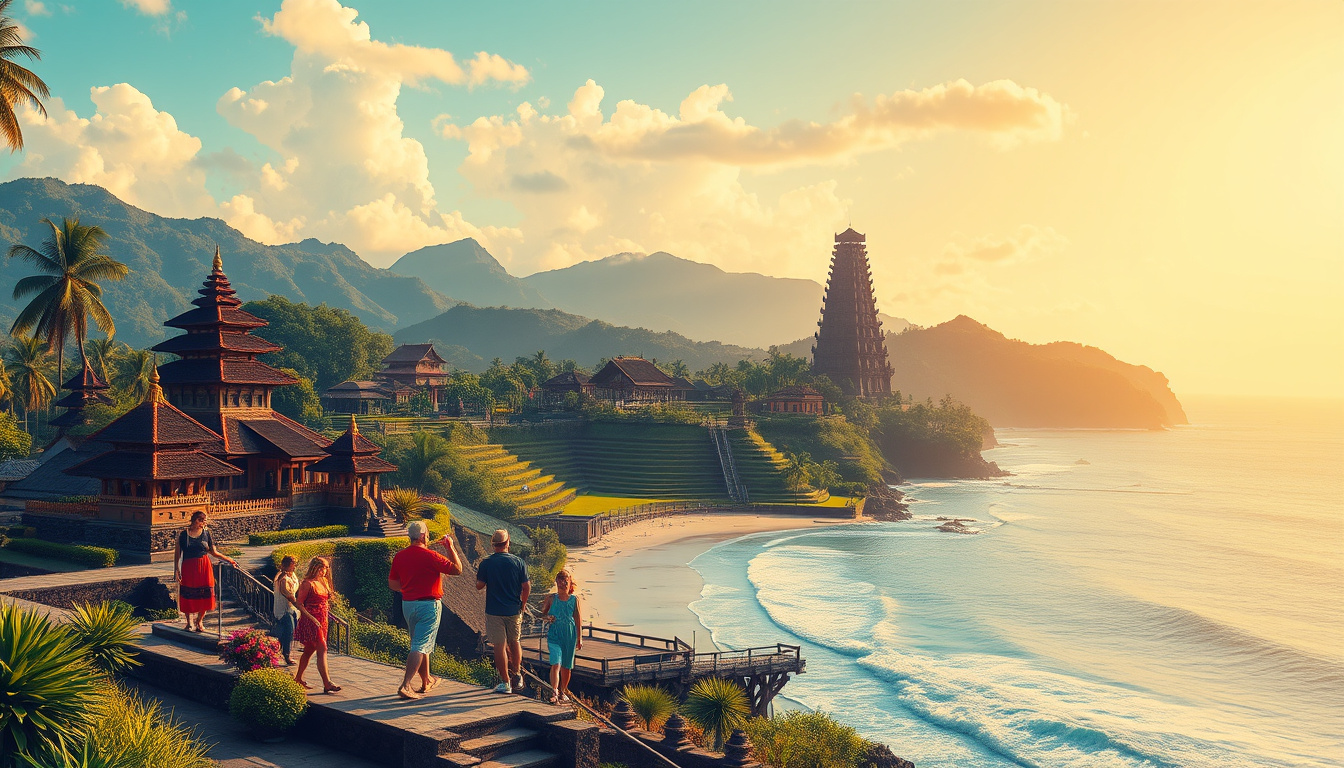
Concerns extend beyond legality to the project’s impact on the environment and local cultural heritage. The elevator installation has already altered the cliffside at Kelingking Beach, changing the iconic panoramic views that attract thousands of tourists annually. Additionally, officials noted that the structure does not adhere to traditional Balinese architectural styles as promised.
The elevator was planned to run the full length of the 182-meter cliff, featuring a viewing platform at the 64-meter mark and photo stops every 20 meters. However, with construction halted, it remains unclear what will happen to the partially built structure.
Official Statements and Future Prospects
Bali police officer Dewa Nyoman Rai Dharmadi confirmed that the construction site will remain closed, with a police line enforcing the suspension. Unauthorized removal of the barricade will be treated as a criminal offense, and any attempts to continue construction will be reported.
The Tourism Ministry’s Deputy for Destination and Infrastructure Development, Hariyanto, stated that supervision has been ongoing since the project’s inception in 2023. The ministry has advocated for sustainable building practices and the use of renewable energy to minimize environmental damage.
At present, questions persist regarding how construction proceeded for so long without full permit compliance despite official oversight. Developers have already secured IDR 200 billion in international investment, with IDR 60 billion allocated specifically for the elevator.
Impact on Tourism and Local Response
Kelingking Beach and its clifftop viewpoints remain open to visitors. However, tourists are advised to exercise caution during the challenging hike to the beach and to refrain from swimming in the area, as Kelingking and nearby Diamond Beach are now designated no-swim zones.
Nusa Penida continues to grow as a popular tourist destination, prompting local leaders to balance the desire to improve infrastructure with the need to preserve natural and cultural assets. The controversy surrounding the Glass Elevator Project has drawn criticism from locals and visitors alike, with many expressing disappointment over the irreversible changes already made to the landscape.
Public Reaction
The project’s suspension has sparked debate within the community. Some voices call for stricter enforcement and better planning to prevent similar incidents, warning that unsanctioned development can damage Bali’s appeal as a natural paradise. Others question the apparent contradictions between initial permits granted and subsequent violations uncovered.
As investigations continue, the future of the Glass Elevator Project hangs in the balance, with the potential for resumption dependent on developers’ ability to obtain all necessary permits and adhere to environmental and cultural standards.
Kelingking Beach remains one of Bali’s most treasured sites. The recent events serve as a reminder of the importance of sustainable tourism and responsible development to safeguard the island’s unique beauty for generations to come.



Add a comment