



Instagram vs Reality: Bali, the Influencer Paradise, Becoming a Victim of Its Own Success
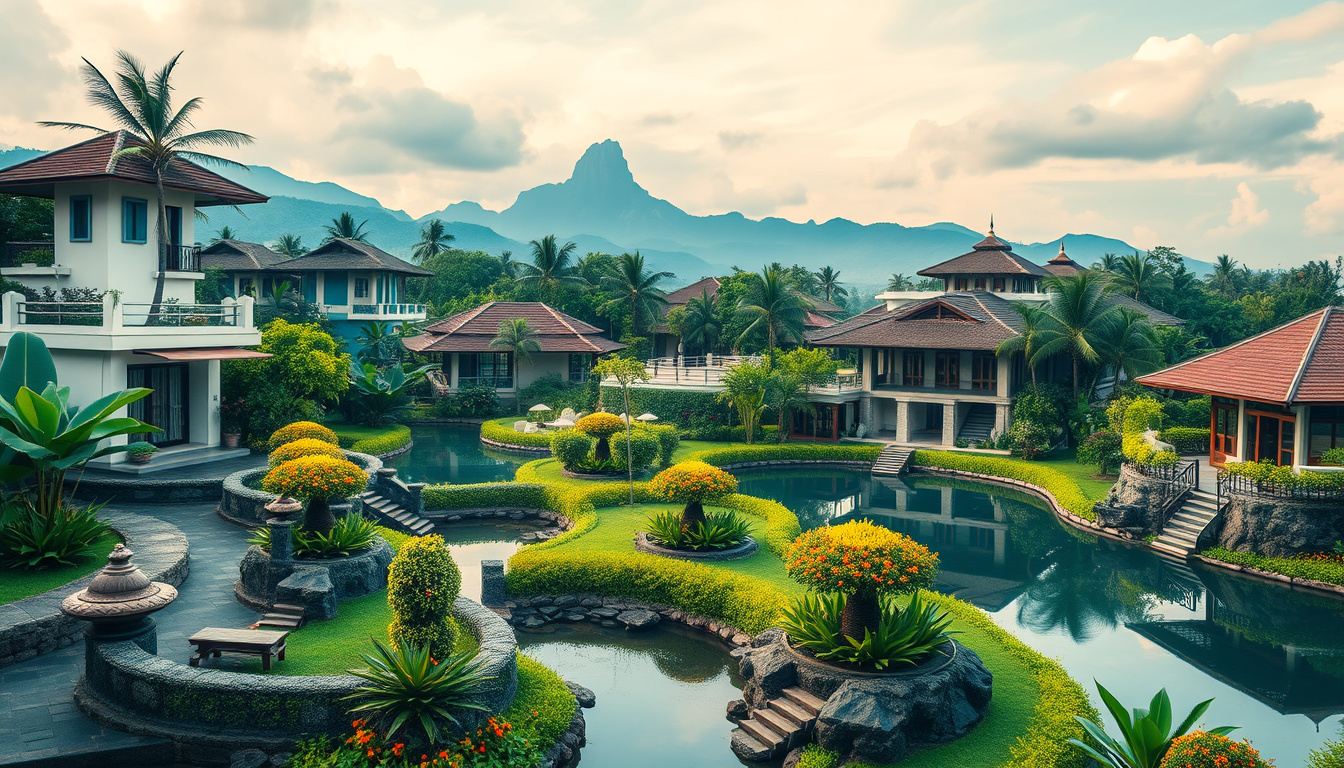
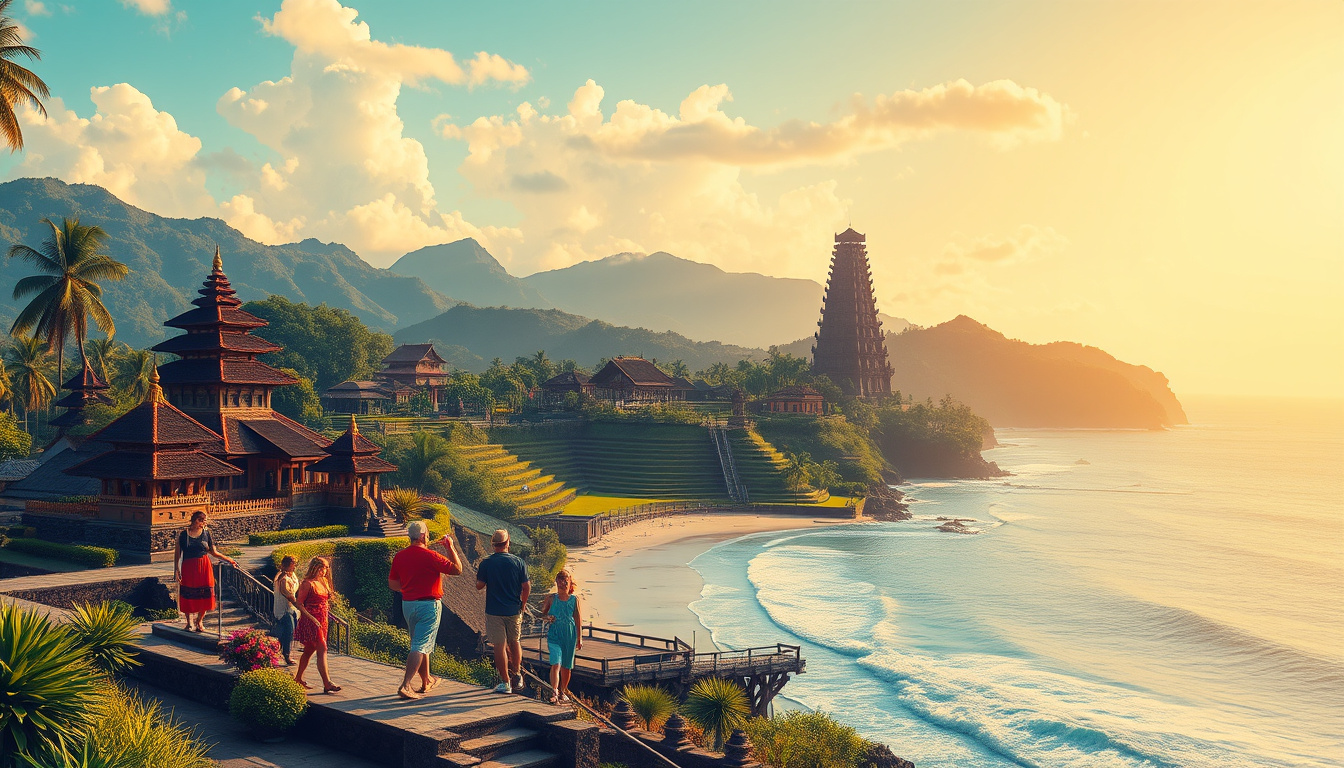
Bali, Indonesia, long celebrated as a tropical paradise, has captivated tourists worldwide for decades. Yet, as the island’s popularity surges—fueled in part by its glamorous portrayal on social media—many visitors are finding that the reality falls short of the idyllic image. The growing discrepancy between expectation and experience is sparking conversations about the impact of tourism on Bali’s environment, culture, and community.
An Island Under Pressure
Tourism to Bali has skyrocketed over the past decade. The number of visitors increased from 3.8 million in 2014 to over 6.3 million last year, with projections indicating the island could welcome more than seven million international tourists in the current year. This boom has led to overcrowding, traffic congestion, and an escalation in construction, all of which contrast sharply with the tranquil paradise so often depicted online.
Zoe Rae, a recent visitor and influencer, highlighted this growing divide when she shared her disappointment after arriving on the island. In a YouTube video filmed from her hotel room, she admitted that her expectations—shaped by polished social media imagery—did not align with what she encountered. Although she did not elaborate on the specifics, the disconnect was profound enough for her to cut short her Bali trip and continue celebrating her wedding anniversary elsewhere.
Many tourists recount similar experiences: picturesque tourist spots overwhelmed by crowds, pristine beaches blighted by plastic pollution, noisy traffic jams adjacent to serene cafés, and long lines to access natural landmarks. These realities contrast with the spiritual sanctuary and untouched landscapes many expect.
The Myth and the Reality
Historically, Bali attracted Western travelers for its unique Hindu culture, spiritual traditions, and natural beauty. Its status as a "last paradise" was solidified in the 20th century, shaped by its temples, rice terraces, and sacred natural sites. Writer Gisela Williams notes that Bali’s cultural richness has created a powerful myth of the island, drawing visitors seeking utopia and serenity.
However, the Bali many tourists encounter today is more commonly associated with beach clubs, surf houses, luxury villas, and a vibrant nightlife. The island has become a hotspot for Western visitors indulging in an affordable luxury lifestyle, often documented through curated social media posts. This superficial portrayal can lead to unrealistic expectations.
British content creator Hollie Marie, who lives in Bali, warns that relying on Instagram for information provides a “distorted reality.” She emphasizes that many tourists only explore a handful of popular tourist areas, missing the island’s deeper cultural heritage and natural beauty found in less trafficked regions like the northern coast and the forests surrounding Ubud.
A Changing Landscape and Growing Resentment
Local Balinese have witnessed significant transformation in their communities. Once peaceful villages like Canggu have evolved into bustling hubs lined with cafés, gyms, co-working spaces, and villas. As urban development spreads to previously quiet areas, concerns about environmental degradation and cultural erosion intensify.
The impact of tourism is felt acutely on infrastructure. Roads that once threaded through rice paddies now face chronic traffic jams. Local resident Ni Kadek Sintya reflects on the loss: the spots that once offered peaceful breaks throughout her journey to work now only evoke sadness amid the rush and noise.
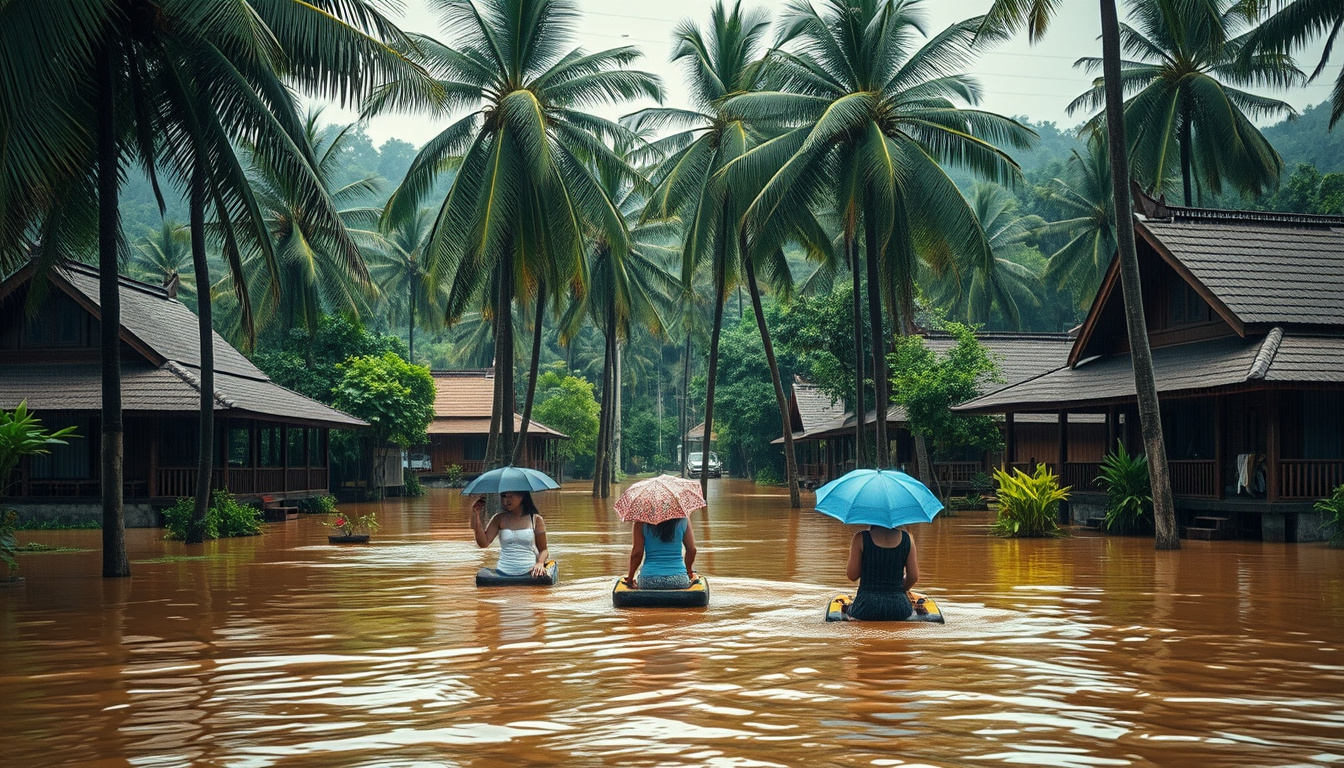
Moreover, recent natural disasters have underscored the consequences of unchecked development and poor waste management. A rare flood that led to over a dozen deaths this year prompted local authorities to announce restrictions on new constructions. Yet many critics argue these measures may be insufficient and tardy.
Incidents involving misbehaving tourists, from intoxicated scooter accidents to disrespect of sacred sites, have added to tensions. The arrival of thousands of Russian and Ukrainian migrants fleeing conflict has raised concerns about rising criminal activity, as flagged by Indonesia’s National Narcotics Agency.
Balancing Tourism and Preservation
Despite frustrations, Bali’s economy remains heavily dependent on tourism, creating a complex dilemma for locals. Many like Sintya work within the industry and fear losing their livelihoods if tourism slows. Balinese researcher I Made Vikannanda points out the irony in tourists’ complaints about congestion and pollution, noting that visitors themselves contribute to these challenges.
Calls for more sustainable tourism and responsible travel are growing, emphasizing respect for Bali’s environment and traditions. Diversification of tourism beyond the southern hotspots and investment in infrastructure improvement are viewed as critical steps.
Ultimately, Bali’s ongoing challenge lies in preserving its cultural and natural heritage while accommodating the economic benefits brought by millions of visitors. As the island grapples with its “Instagram vs reality” paradox, it stands at a crossroads between maintaining its charm and succumbing to the pressures of modern mass tourism.



Add a comment