



Tourists Can Experience Authentic Rural Life in New North Bali Destination
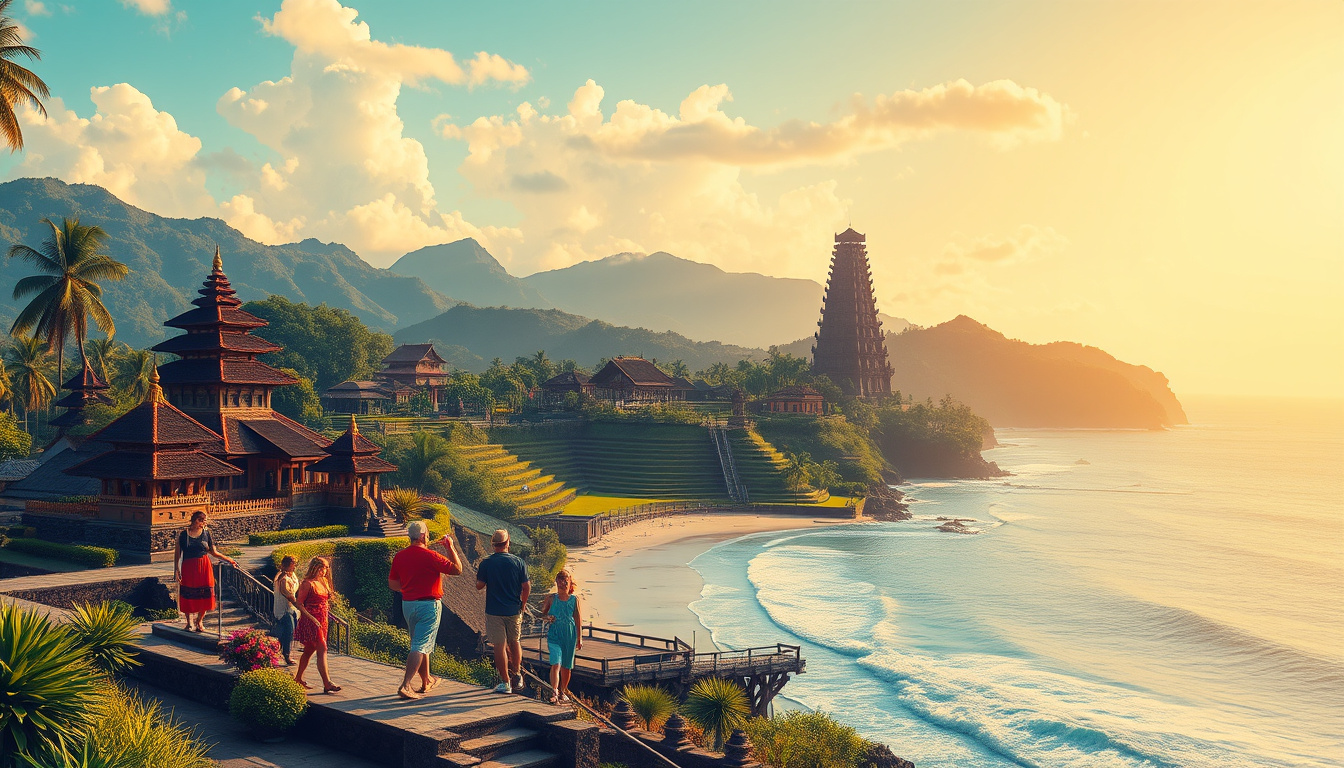
Bali, Indonesia – As the bustling digital world increasingly dominates everyday life, many travelers are seeking opportunities to disconnect from their screens and immerse themselves in nature. Responding to this growing desire, a new tourism initiative in North Bali offers visitors a chance to experience the island’s authentic rural lifestyle, blending natural beauty with local culture and traditional agricultural practices.
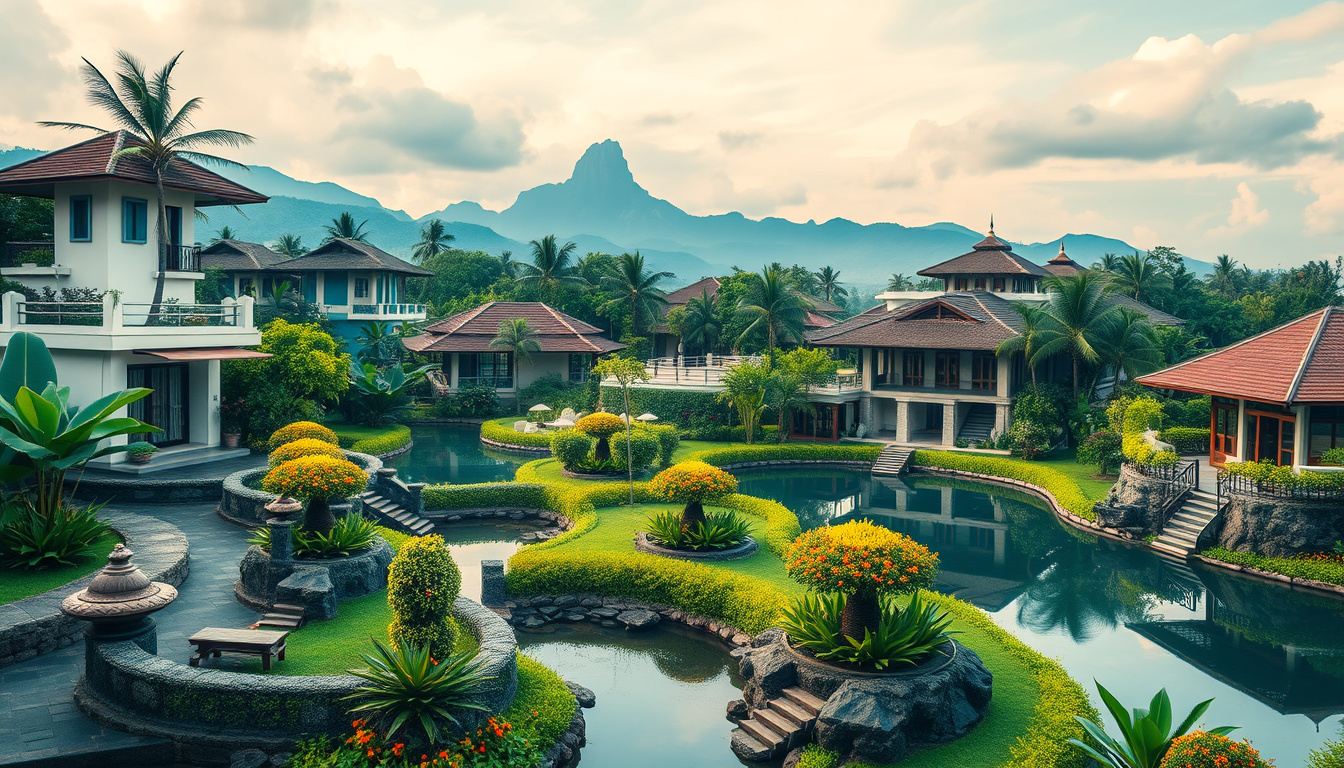
Located in the northern region of Bali, Munduk is emerging as a rising star among tourist destinations. Renowned for its refreshing cool climate, pristine waterfalls, lush jungle landscapes, and charming rural villages, Munduk provides a serene retreat far from the heavily developed southern tourist hubs. Unlike rapid urban tourism centers, Munduk retains a tranquil ambiance with minimal commercial intrusions, attracting travelers who value genuine cultural and environmental interaction.
Behind this new wave of tourism development is a partnership between local community leaders and students from the Faculty of Mathematics and Natural Sciences (FMIPA) at Ganesha University of Education (Undiksha) in Singaraja, Buleleng Regency. Together, they have launched the GeoAgro-Edu Tourism-Based Village Development program — a unique educational tourism project aimed at strengthening Munduk’s local identity while boosting its appeal among international and domestic tourists.
The program, which began in July 2025, focuses on combining the region’s geographical assets and agricultural heritage with tourism. It runs through November 2025, with plans for evaluation and future expansion to ensure sustainable and long-term benefits for the community.
Ni Luh Putu Sri Puja Astuti, head of the PPK Ormawa Team of the Undiksha FMIPA Reasoning Working Group, outlined the project’s goals: “Our long-term vision is to establish Munduk as an independent tourism village based on education grounded in nature and local culture. We want this initiative to make a meaningful impact on both community welfare and environmental sustainability.”
Astuti highlighted Munduk’s natural advantages, including expansive plantations, a series of popular waterfalls, panoramic views of Mount Lesung, and the peaceful beauty of Lake Tamblingan. In addition to its scenic richness, the area boasts a well-preserved local culture that continues to thrive despite modern pressures.
Challenges remain, such as limited promotional activities, underdeveloped support facilities, and a need for continuous innovation in tourism offerings. However, Astuti and his team remain optimistic that their integrated GeoAgro-Edu Tourism concept—which merges geography, agriculture, education, and tourism—will address these issues through community collaboration and careful planning.
This holistic approach aims to transform Munduk into a competitive, distinctive, and sustainable tourism destination that could serve as a model for other villages across Bali and Indonesia seeking to harness the power of nature and traditional livelihoods.
Tourists currently exploring Bali can easily arrange day trips to Munduk’s waterfalls from central southern areas such as Ubud and Lovina Beach. Still, many travelers realize that Munduk’s breadth of natural and cultural attractions deserves a longer stay to fully appreciate its offerings. The area features numerous lodging options, most of which are locally owned and managed, providing visitors with comfortable accommodations coupled with stunning jungle views.
Munduk’s rising popularity, combined with the GeoAgro-Edu Tourism program, marks an exciting new chapter for North Bali’s tourism landscape – inviting visitors not only to sightsee but to connect deeply with Bali’s enduring rural traditions and natural environment.
As this innovative tourism model unfolds, Munduk may soon become a leading example of sustainable and educational tourism, benefiting both visitors and the local community alike.



Add a comment