




Sanur in Bali Opposes LNG Terminal Plan Over Tourism and Environmental Concerns
Sanur, Bali — The popular tourist destination of Sanur in Denpasar, Bali, is at the center of a growing controversy over a proposed Liquefied Natural Gas (LNG) terminal project. Local residents, tourism stakeholders, and environmental advocates have expressed strong opposition to the plan to develop a Floating Storage Regasification Unit (FSRU) LNG terminal off the coast of Sanur, citing fears of negative impacts on tourism, coastal beauty, and the local way of life.
Proposed LNG Terminal and Its Location
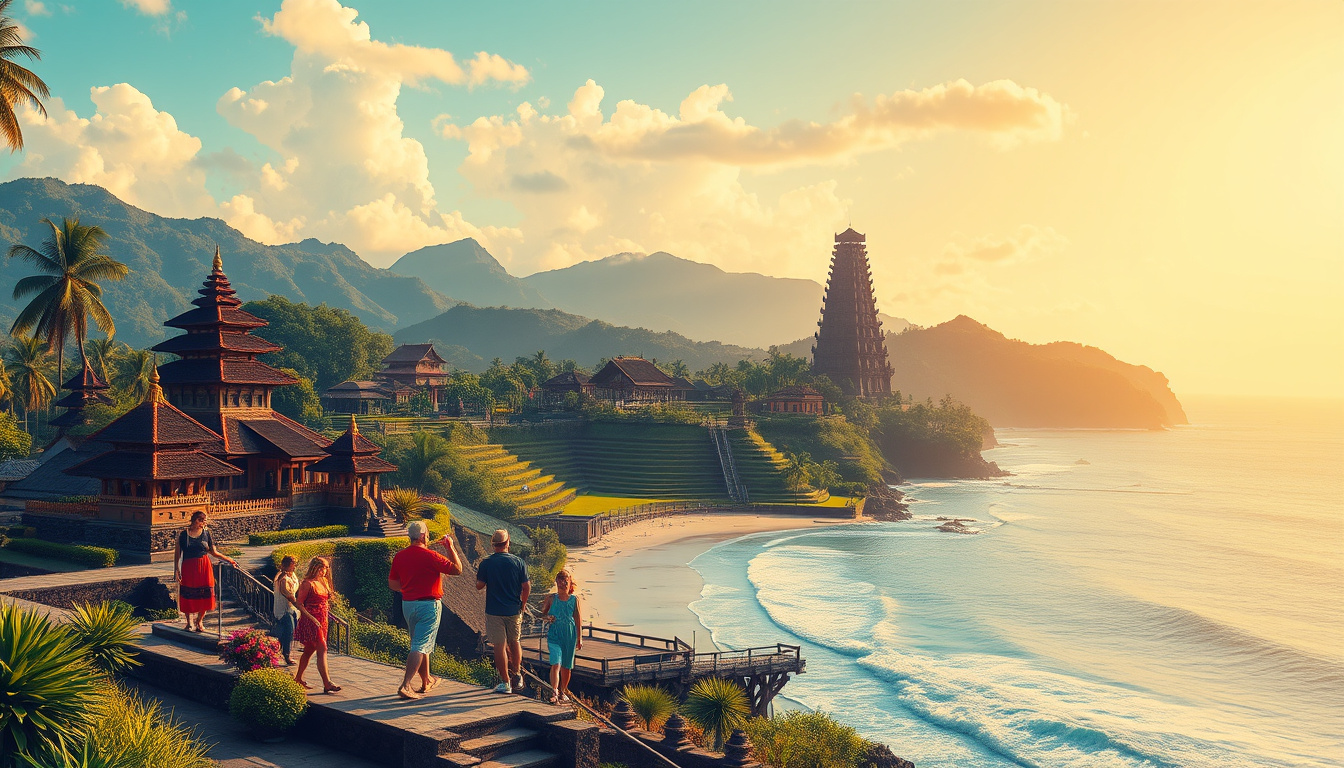
The LNG terminal is planned approximately 3.5 kilometers offshore from Sidakarya Beach, a well-frequented area known for its scenic coastline and cultural significance. The terminal would be connected to the mainland via an underwater pipeline network. This large industrial structure is expected to be visible both from Sanur’s beaches and from travelers en route to the nearby Nusa Islands.
Local community leaders and tourism operators warn that the terminal’s construction and operation could mar the picturesque coastal views, disrupt the tranquil environment, and ultimately undermine Sanur’s reputation as a peaceful tourist hub.
Concerns from the Local Community and Tourism Sector
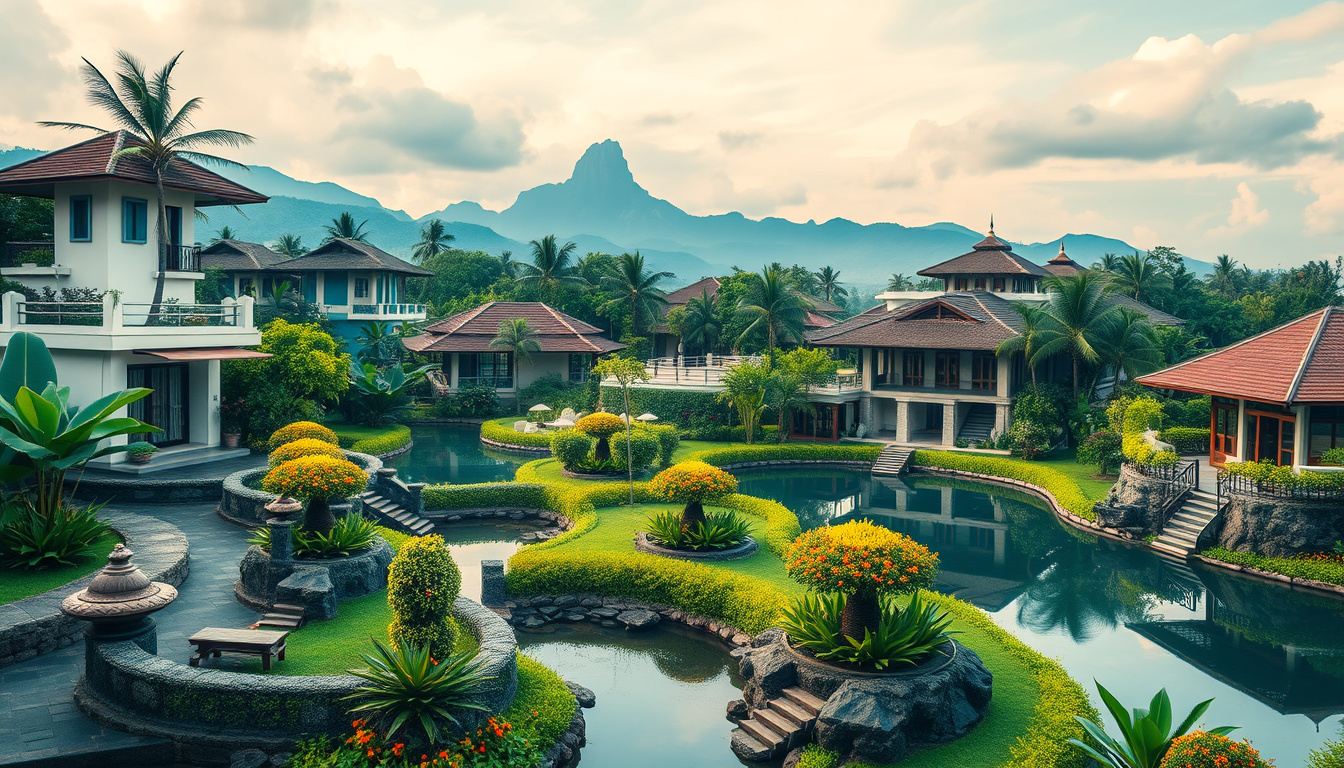
Sanur has become a significant destination within Bali’s tourism economy, celebrated for its relaxed ambiance, pristine beaches, and rich cultural heritage. The area supports numerous high-end resorts, family attractions, and traditional cultural events. For many locals and tourism professionals, the LNG terminal project threatens to disrupt this unique balance.
Ida Bagus Gede Sidharta Putra, Chairman of the Indonesian Hotel and Restaurant Association (PHRI) in Denpasar as well as the Sanur Development Foundation, is one of the prominent voices opposing the project. He emphasized the risk the LNG terminal poses to Bali’s carefully cultivated image of natural beauty and cultural authenticity. “Sanur is thriving with hotel occupancy rates above 80 percent,” Putra stated, “and it would be regrettable to compromise this success, especially as we promote wellness tourism that depends heavily on a pristine environment.”
Moreover, the coastline plays an important role in the spiritual and economic lives of the local people, including fishermen and religious practitioners. The community fears that potential environmental damage caused by the terminal could jeopardize their livelihoods and cultural activities.
Impact on Bali’s Tourism Future
Bali’s tourism relies heavily on its image as a tropical paradise offering spiritual experiences, natural beauty, and diverse leisure activities. Sanur has distinguished itself as a quieter alternative to the island’s busier spots, focusing on wellness tourism involving yoga, meditation, and holistic health retreats.
The proposed LNG terminal comes at a critical time as Sanur aims to become a Special Economic Zone for Medical Tourism, driving investments in healthcare and wellness infrastructure. Local tourism experts warn that the presence of a large-scale industrial facility could deter visitors seeking relaxation and connection with nature, thus undercutting the area’s potential as a wellness destination.
The Indonesian government’s RAK Vision 2030 strives to triple Bali’s tourism economy by preserving key attractions while improving infrastructure. However, many believe that the LNG terminal conflicts with these objectives, as industrial development may degrade environmental quality and reduce visitor satisfaction.
Government Position and Future Prospects
Authorities recognize the need to balance infrastructure development with environmental sustainability and cultural preservation. While the LNG terminal is seen as contributing to energy diversification for Bali, officials have been urged to thoroughly assess the potential long-term consequences for the tourism industry.
The ongoing debate underlines the importance of adopting more sustainable and community-sensitive development approaches that protect the natural and cultural assets critical to Bali’s global allure.
Toward Sustainable Development in Sanur
As Bali progresses, it faces the challenge of harmonizing economic development, energy needs, and environmental protection. Sanur’s future as a distinguished wellness and cultural destination depends on maintaining the ecological integrity of its coastline.
The opposition to the LNG terminal highlights the broader requirement for meticulous planning that prioritizes sustainability, local community interests, and tourism growth in harmony. By doing so, Bali aims to safeguard its treasured destinations for future generations, ensuring that natural beauty and cultural heritage remain central to its identity and prosperity.



Add a comment