




Is Lombok the New Bali? Indonesia’s Ambitious Tourism Drive Sparks Mixed Reactions
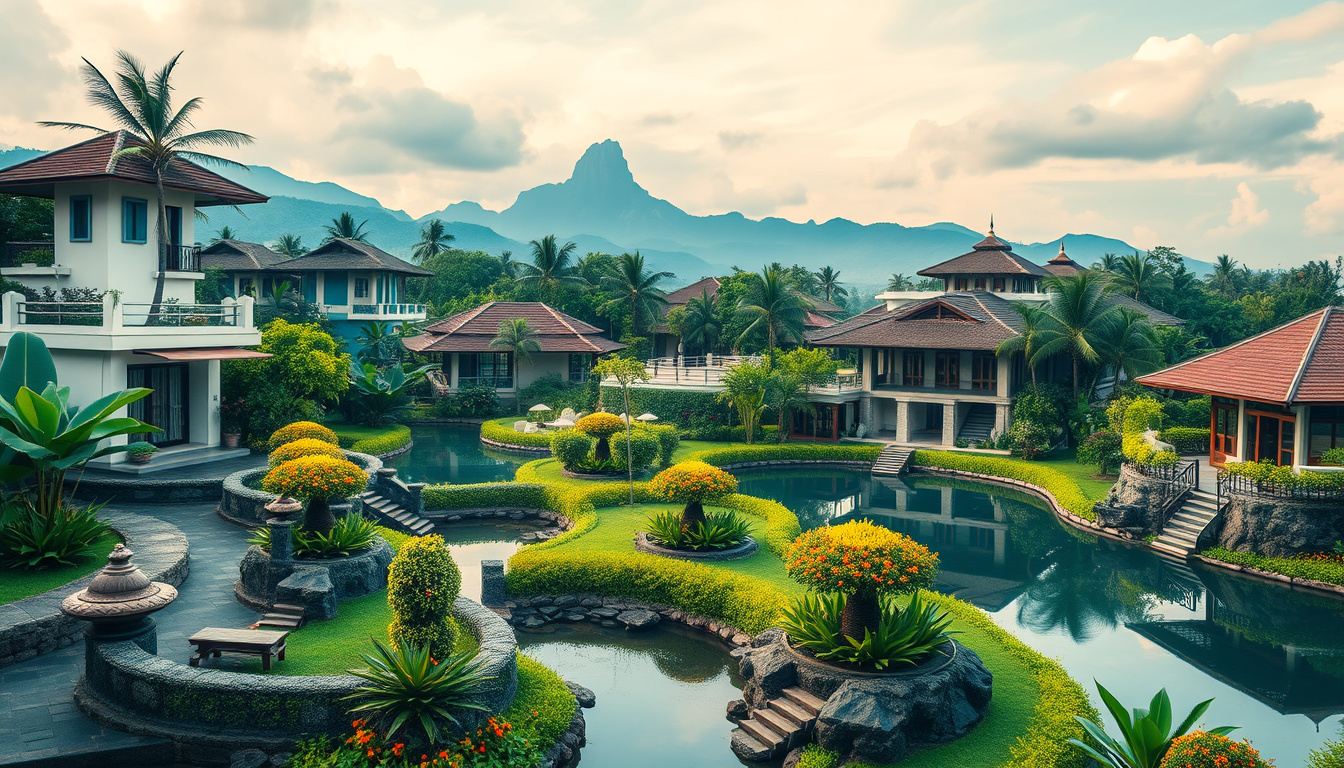
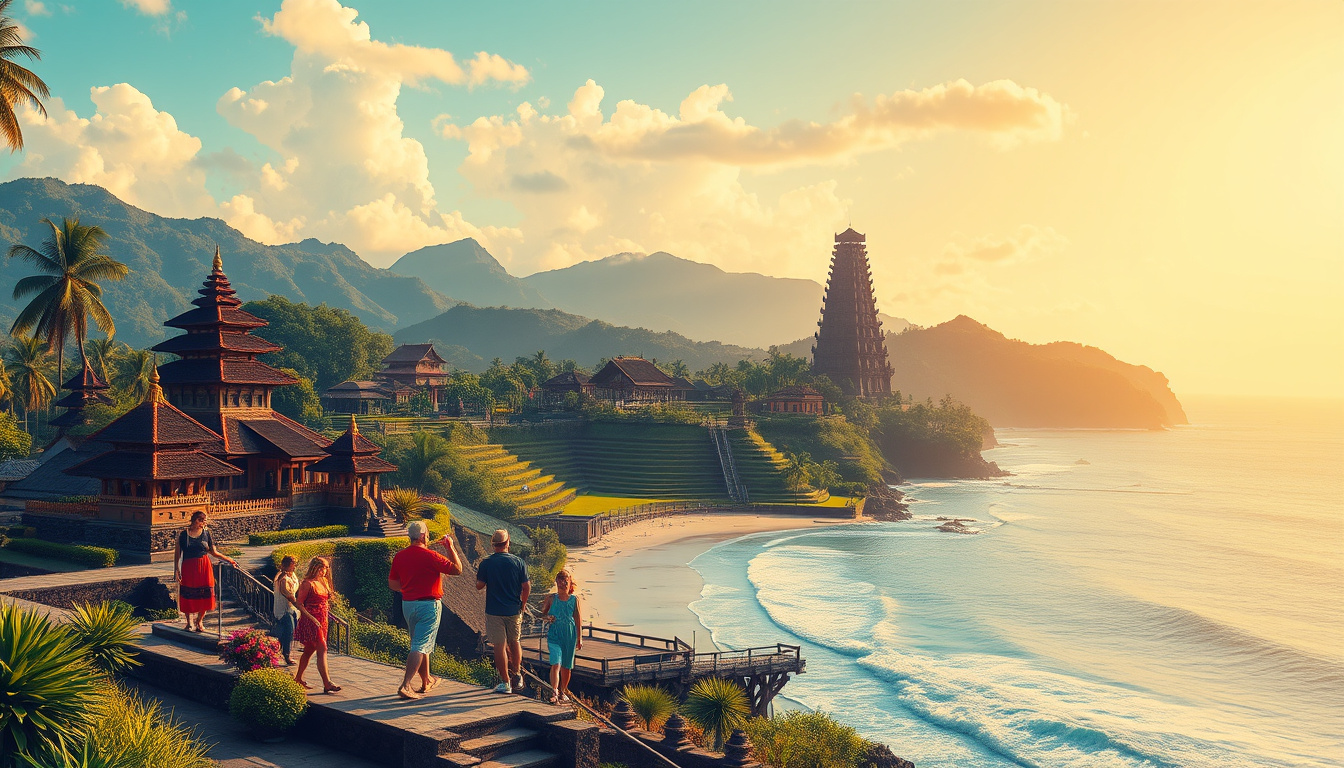
Indonesia is pushing to transform Lombok, an island east of Bali, into a major tourist destination akin to its well-known neighbor. While some see Lombok as the next big paradise for travelers, others express concerns about the social, cultural, and environmental impacts of this rapid development.
From Quiet Island to Tourism Hotspot
Lombok, with its pristine beaches, vibrant surf spots, and natural wonders like Mount Rinjani, has long been a lesser-known gem for visitors seeking a more tranquil experience than the bustling Bali. The island remains celebrated for its relatively untouched landscapes, which continue to attract surfers and hikers looking for authentic adventures.
Damar, a local surf guide, embodies the island’s transformation firsthand. Once fearful of foreign visitors in his childhood, he now thrives working with tourists, speaking fluent English and enjoying the increased opportunities tourism offers. “Meeting a lot of people from many different countries has opened my mind,” he said.
Government’s Vision: Creating Another Bali
The Indonesian government has embarked on an ambitious campaign to replicate Bali’s tourism success in Lombok. Mandalika, a coastal area in southern Lombok, has been designated as the centerpiece of this development. Modern resorts, cafes, and a new motorcycle racetrack – which recently hosted a Grand Prix event attended by nearly 150,000 spectators – signal major changes underway.
To fund this transformation, authorities have secured hundreds of millions of dollars in investment and a $250 million loan from the Asian Infrastructure Investment Bank. These funds are fueling large-scale infrastructure projects designed to attract even greater tourist numbers.
Local Impacts: Opportunities and Displacement
While many locals welcome the economic prospects, these developments have come with significant costs. The construction of the Mandalika circuit led to the eviction of dozens of families, including Damar’s, disrupting longstanding communities. Advocacy groups have criticized the government’s resettlement processes as unfair and poorly managed.
Moreover, on the beach of Tanjung Aan, a wave of evictions saw nearly 200 local stalls demolished to make way for luxury hotel projects. Stall owners who made their livelihoods from food and souvenir sales expressed feelings of desperation and injustice, lamenting inadequate notice and compensation. UN human rights experts have estimated that over 2,000 people lost their primary means of livelihood overnight due to these actions.
Concerns Over “Bali-fication” of Lombok
Many residents and visitors are apprehensive about Lombok following in Bali’s footsteps too closely. Locals worry that the island’s unique natural beauty and cultural identity will be compromised by overdevelopment, leading to environmental degradation and loss of charm. Kartini Lumban Raja, a café owner, cautioned against the loss of the island’s natural appeal, warning that “when beaches start to look like Kuta, they lose their charm.”
Tourists like Swiss visitor Basil Berger echoed these sentiments, arguing that Lombok’s distinctiveness is its greatest asset. “If they want to see Bali, they should go to Bali… Turning Lombok into another Bali is the worst thing that they can do,” he remarked.
Environmental concerns also loom large. The recent motorcycle Grand Prix event generated 30 tonnes of waste, highlighting the strain large-scale tourism can put on local infrastructure and ecosystems.
Searching for a Sustainable Path Forward
As Lombok undergoes rapid transformation, voices from both within and outside the island are calling for a balanced approach to tourism development. Critics urge that economic growth should not come at the expense of the people’s rights or the environment. Instead, Lombok should aim to develop its own unique identity rather than become a less crowded version of Bali.
Sekar Utami Setiastuti, based in Bali, pointed out the importance of learning from Bali’s experiences: “Before it gets to Bali’s stage of development, Lombok could learn… The government should ensure tourism development brings welfare to a lot of people, instead of just bringing tourists.”
The island stands at a crossroads, with potential for a thriving future that respects its culture, environment, and community – but that future depends on thoughtful, inclusive planning.
Lombok’s story highlights the complexities of tourism-driven transformation. While promising increased prosperity and global recognition, the changes come with challenges that require careful navigation to protect the island’s distinctive character and the well-being of its residents.



Add a comment