



Is Lombok the New Bali? A Booming Tourist Spot With Mixed Reactions
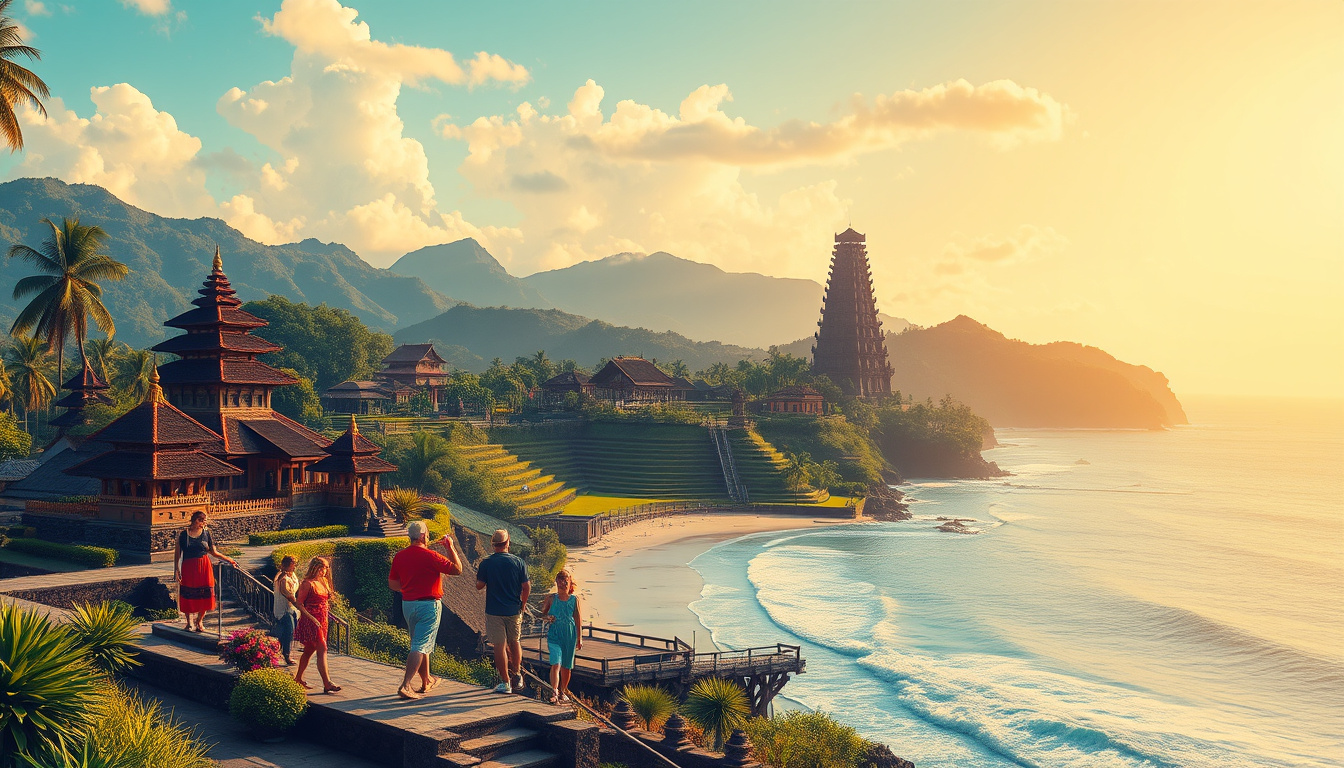
Lombok, an Indonesian island located just east of the renowned island of Bali, is rapidly gaining attention as a potential new hotspot for international tourism. With its pristine beaches, crystal-clear waters, and natural landmarks like Mount Rinjani, Lombok offers a similar allure to Bali but without the overwhelming crowds. However, as the Indonesian government embarks on an ambitious mission to transform Lombok into "another Bali," the reactions from locals, tourists, and environmentalists remain divided.
A Rising Star in Tourism
Damar, a local surf guide on Lombok, recounts his personal transformation alongside the island’s growing popularity among Western visitors. Once fearful of foreigners during his childhood, Damar now embraces his role in the tourism industry, engaging fluently in English and sharing his beloved waves with travelers from around the world. He is among many locals who have transitioned from traditional livelihoods, such as fishing, to tourism-related employment, often enjoying improved incomes and new opportunities.
This shift is at the heart of the Indonesian government’s wider strategy to diversify the nation’s tourist attractions and reduce the intense pressure on Bali, which currently draws nearly half of all international tourists visiting Indonesia despite occupying less than 1% of the country’s landmass. To foster development, the government has secured significant investment funding, including a $250 million loan from the Asian Infrastructure Investment Bank to support infrastructure and luxury resorts.
Mandalika: The Heart of “New Bali” Development
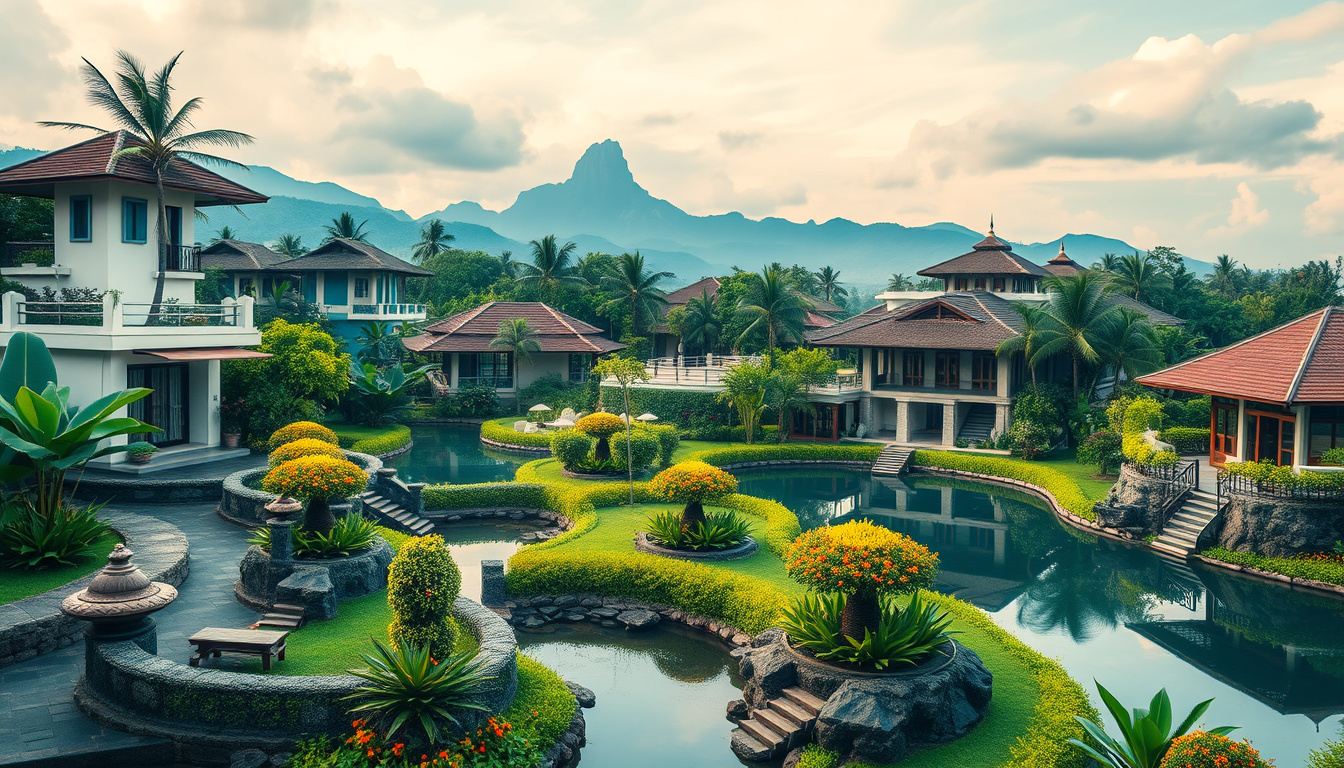
Central to this transformation is Mandalika, a coastal area in southern Lombok that is witnessing rapid modernization. The once rustic coastline now features upscale resorts, trendy cafes, and a new racetrack which recently hosted a motorcycle Grand Prix event attracting almost 150,000 spectators. While these developments promise to boost the local economy and attract international visitors, they have also led to substantial social and environmental costs.
Between 2019 and 2021, many local families, including Damar’s, were evicted to make way for Mandalika’s new resort and sporting infrastructure. Despite protests and claims of inadequate compensation and resettlement support, these communities had little choice but to relocate. Such displacements sparked criticism from human rights advocates who highlight the pattern of rights violations linked to the project.
Controversies and Concerns Among Locals
The expansion into places like Tanjung Aan beach has further heightened tensions. In July, security forces demolished nearly 200 local stalls—including those run by long-time vendors like café owner Kartini Lumban Raja and food seller Ella Nurlaila—sparking protests over what many described as inhumane treatment and a lack of fair consultation or adequate compensation. Local stakeholders argue that thousands rely on these coastal businesses for their livelihoods and question the fairness of converting what they view as community land into luxury developments.
Authorities maintain that areas like Tanjung Aan are state-owned and emphasize that the projects will create jobs and enhance economic growth. However, United Nations human rights experts have expressed serious concerns regarding the loss of income among local residents and the absence of sufficient resettlement plans.
Preserving Culture and Environment Amid Rapid Change
Beyond economic questions, Lombok’s cultural identity and environment are at stake. The island’s predominantly Muslim population and the indigenous Sasak community maintain traditional customs that differ significantly from Bali’s more liberal and tourist-centric norms. Many visitors are advised to respect local sensitivities by dressing modestly, and alcohol availability is limited compared to neighboring Bali.
The rapid development along Lombok’s coast threatens to dilute this cultural uniqueness. Some tourists, like Swiss visitor Basil Berger, criticize the government’s vision of making Lombok another Bali, arguing that it undermines the island’s special appeal and advocates for preserving its distinct natural and cultural character.
Environmental concerns are also growing. The influx of visitors during high-profile events has left significant waste, with the motorcycle Grand Prix crowds producing around 30 tonnes of rubbish that local authorities struggled to manage. Observers warn that Lombok could soon face the same environmental strains that have burdened Bali if development continues unchecked.
Looking Ahead: Balancing Growth and Identity
As Lombok stands on the cusp of a new era, the challenge lies in balancing economic development with safeguarding the rights, culture, and environment of the island. Many locals and visitors hope the island can carve out its own identity rather than becoming a less crowded replica of Bali.
Government officials emphasize their commitment to ensuring that tourism benefits local communities broadly, but activists urge more inclusive and sustainable planning practices to avoid repeating the problems associated with Bali’s mass tourism.
Whether Lombok will successfully emerge as a vibrant new tourist destination without sacrificing its unique character remains to be seen—but the transformation underway is undeniable. For now, the island invites visitors to experience its beauty before it potentially changes forever.



Add a comment