

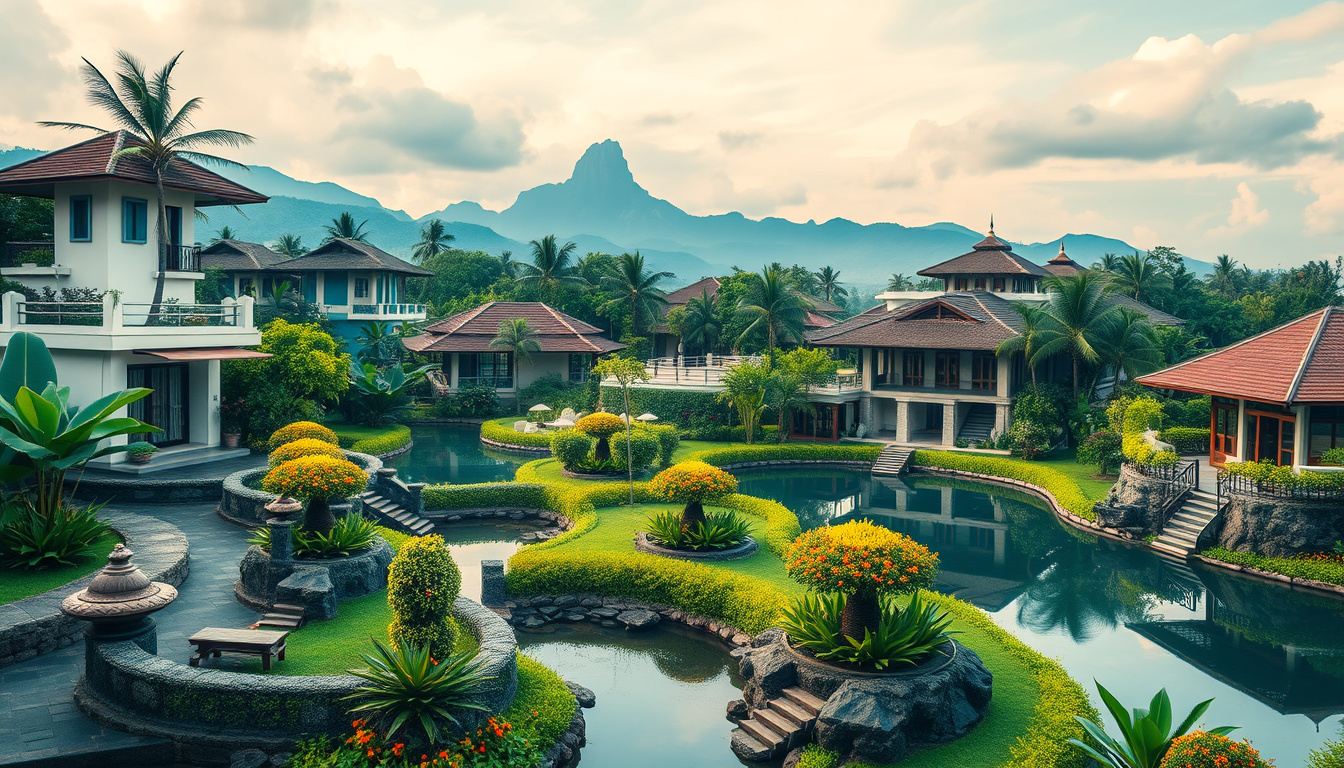




Travel Data Reveals Bali Tourists Increasingly Seek Personalized and Meaningful Vacation Experiences
October 15, 2025
Recent data from travel platforms indicates a significant shift in traveler preferences throughout the Asia-Pacific region, with Bali emerging as a prime destination where tourists are increasingly seeking personalized and culturally immersive vacation experiences.
For years, Bali has been celebrated primarily for its picturesque beaches, vibrant sun-soaked landscapes, and luxury resort life. However, the island’s rich cultural heritage and generous local communities are gradually becoming more central to the tourism experience. Local leaders and tourism developers have made concerted efforts to encourage visitors to engage more deeply with Bali’s traditions and customs, aiming to move beyond the typical resort-based holiday.
Historically, many tourists favored the comfort and convenience of resorts, international cuisine, and familiar settings, often avoiding significant cultural interaction. Recognizing this, Bali’s tourism sector is focusing on developing more sustainable tourism models that both conserve the island’s unique cultural identity and promote meaningful connections between visitors and the local way of life.
Data from Booking.com, gathered through a survey of over 8,000 prospective travelers in July 2025, highlights a pronounced trend toward vacation homes as a preferred accommodation over traditional hotels. Travelers are increasingly searching for unique lodging options that replicate a ‘home away from home’ environment, enabling them to host friends and family while enjoying the freedom to cook and dine comfortably.
Laura Houldsworth, Managing Director of Booking.com Asia Pacific, commented, “We are seeing a lot of searches across the region. Bali is a key destination, but almost every country is now seeing a surge in searches for vacation homes and unique accommodations.” She further noted that travelers are exploring a diverse array of holiday home styles. These include beachfront properties in Bali’s coastal areas, traditional homes in Japan and South Korea, wooden cottages in Vietnam and Thailand, and mountain villas or lakeside cabins in Bali’s regions like Kintamani and Bedugul. Luxury camping options are also gaining popularity.
“This reflects a shift toward travelers seeking more personalized and meaningful experiences,” Houldsworth added, highlighting that vacation homes offer opportunities closer to authentic local living. She emphasized that these insights help property owners tailor their offerings to better meet evolving traveler demands, which in turn supports the local economy and sustainable tourism growth.
Parallel to Booking.com’s initiatives, Airbnb has also been active in shaping Bali’s evolving tourism landscape. Though Bali has had a complex relationship with Airbnb and private villa rentals—in part due to challenges such as unregulated development impacting agricultural land and local infrastructure—the company continues to work with local stakeholders to promote responsible tourism.
In September 2025, Airbnb partnered with UNESCO to launch the “Bali Cultural Guidebook,” a resource designed to assist tourists in discovering lesser-known cultural sites while encouraging sustainable travel practices. This guidebook aims to empower travelers to make conscious choices that respect Bali’s cultural heritage and support meaningful tourism experiences, while helping local businesses and cultural workers engage visitors without compromising their traditions or the environment.
These combined efforts by tourism stakeholders highlight Bali’s commitment to evolving its image from a mass beach resort destination to a vibrant cultural hub where tourists can forge authentic and lasting connections. As traveler preferences trend towards personalized stays and meaningful cultural engagement, Bali stands poised to benefit from more sustainable and enriching tourism opportunities in the years ahead.



Add a comment