



Instagram vs Reality: Bali’s Struggle as an Influencer Paradise Becomes Overwhelmed
By Koh Ewe, Singapore and Ade Mardiyati, Bali | 27 September 2025
Bali, Indonesia’s tropical gem long celebrated as a paradise for tourists and thrill-seekers alike, is facing a growing dilemma: it is becoming a victim of its own success.
The island, which has captivated millions worldwide with its picture-perfect beaches, vibrant culture, and the promise of spiritual renewal, now struggles under the weight of soaring visitor numbers, widespread congestion, environmental degradation, and rising local discontent.
The Social Media Mirage
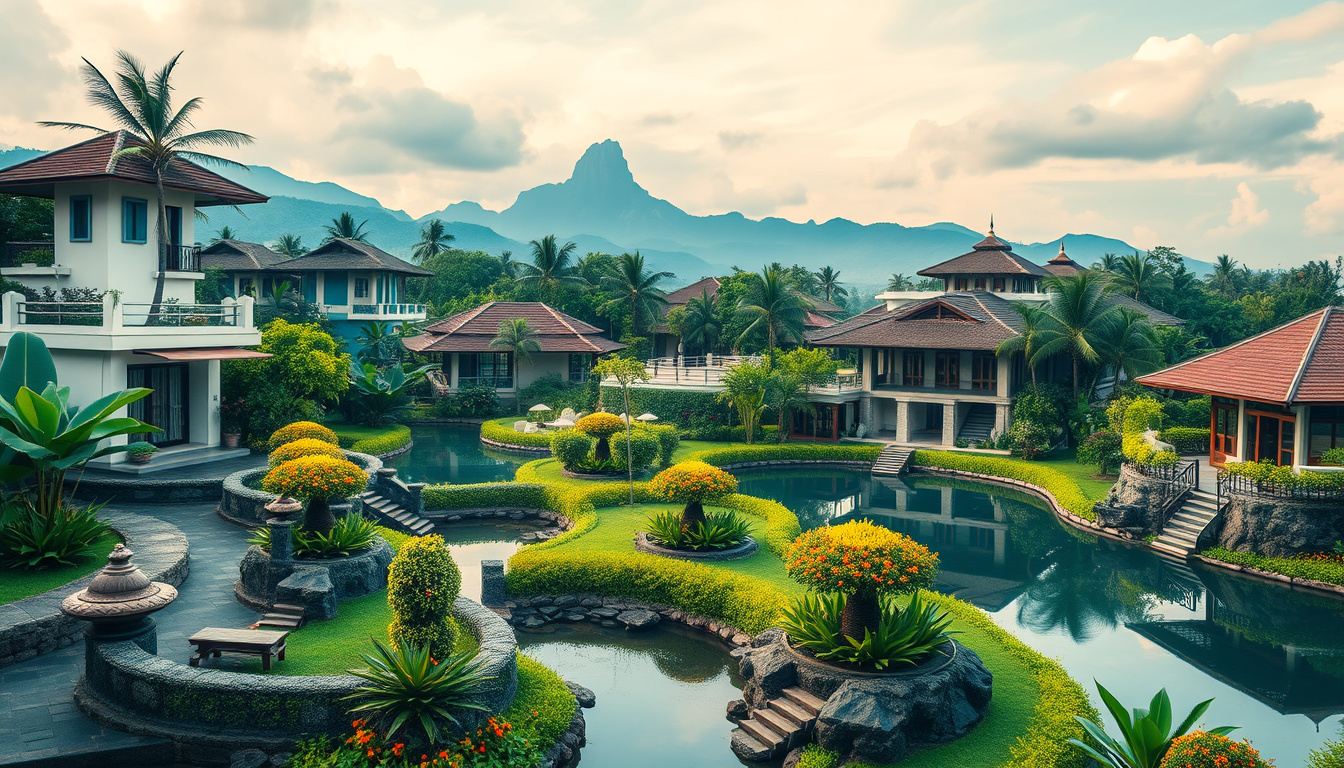
For many travelers, Bali’s allure has been fueled largely by social media — glossy Instagram posts showcasing idyllic coffee shops, stunning sunsets, and dreamy tropical landscapes. But the reality on the ground can be far different.
Zoe Rae, a British influencer, recently shared her disappointment after arriving on the island. Filmed inside her hotel room in July, she confided that despite high expectations shaped by Instagram, "something for us has just not felt quite right." Her comments struck a chord with many; she promptly changed her travel plans, opting to continue her wedding anniversary celebrations in Dubai.
Countless other tourists have posted comparative photos under the hashtag “expectations vs reality,” depicting sharp contrasts such as pristine beach dinners overshadowed by piles of rubbish on the access route, long queues behind waterfall selfies, or lifestyle shots of bamboo-straw smoothies amid the backdrop of traffic-clogged streets filled with motorcycles.
A Paradise Strained by Tourism Boom
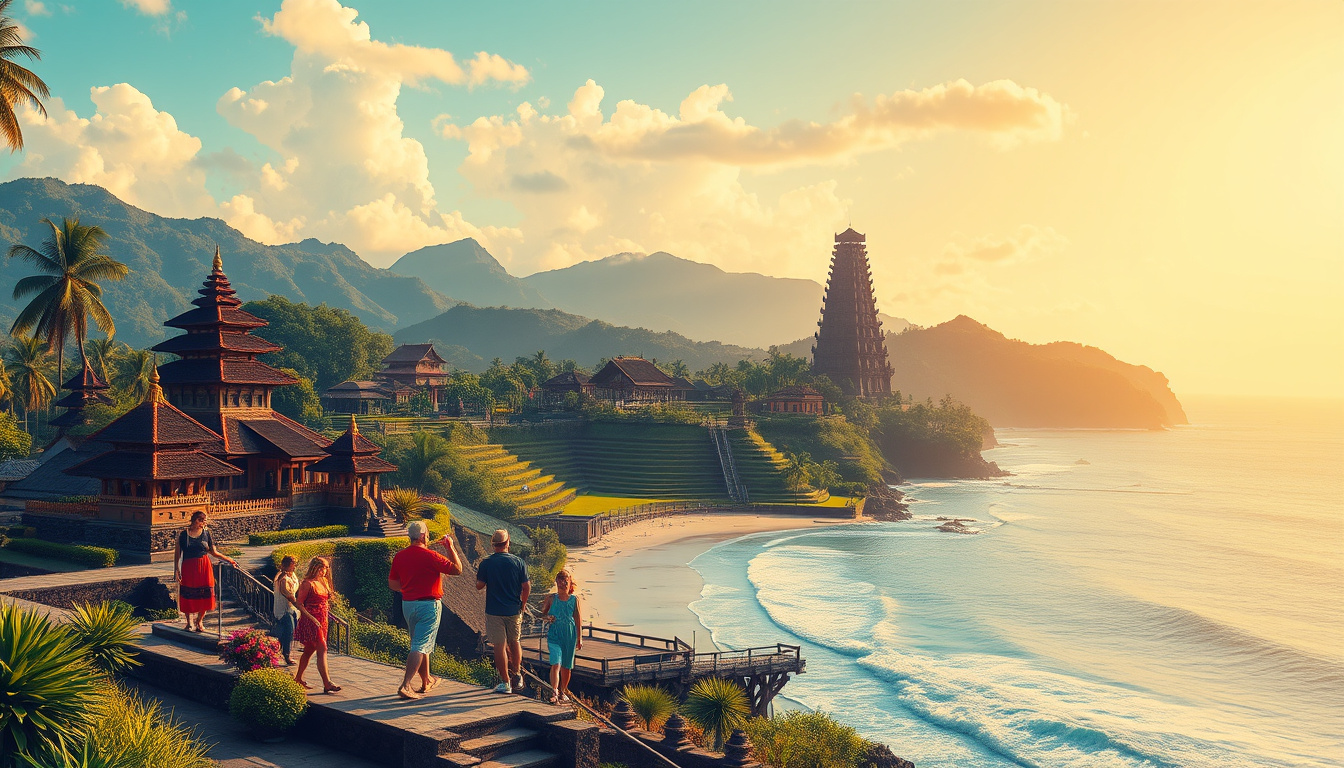
Once known for its tranquil rice terraces, Hindu temples, and deeply spiritual culture, Bali is now synonymous with crowded beach clubs, surf houses, and bustling nightlife catering to international visitors. Following a post-pandemic spike, tourism numbers have exploded from 3.8 million in 2014 to over 6.3 million last year, with projections for this year exceeding 7 million foreign tourists.
This intense influx has fueled rapid urban development and stretched infrastructure beyond capacity. The vibrant cultural traditions intertwined with Bali’s identity now often compete with commercial pressures to cater to a global audience seeking luxury and entertainment.
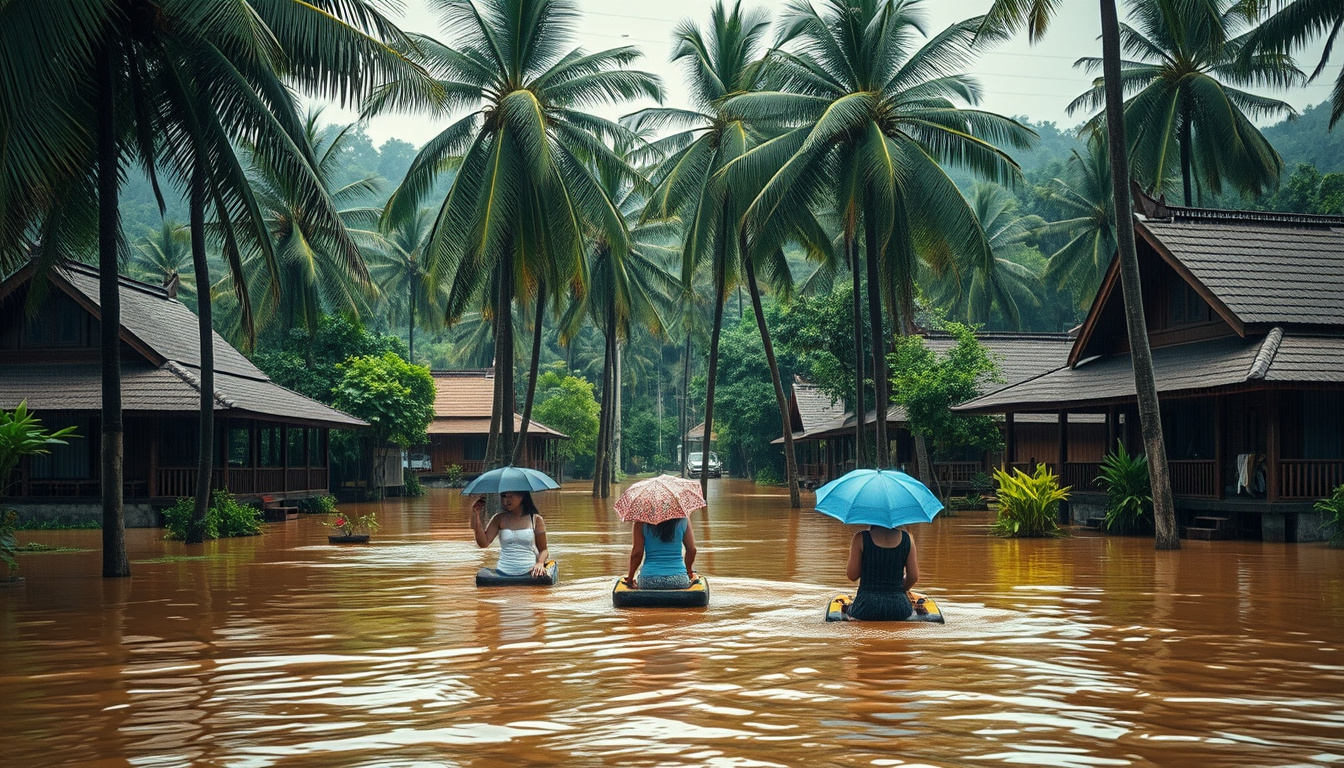
The consequences have included severe traffic congestion — particularly in areas like Canggu, which has transformed from a sleepy fishing village to a bustling hotspot filled with villas, cafes, and co-working spaces. Environmental concerns have escalated as plastic pollution and waste mismanagement have worsened, culminating in rare and deadly floods this month that officials attribute to unchecked urban growth and poor waste control.
In response, local authorities have announced plans to restrict new construction, though critics warn these measures might be too little, too late.
The Other Side of Bali
While many visitors gravitate toward popular “Instagrammable” spots, locals and seasoned travelers point out there is more to Bali than its tourist hotspots.
British content creator Hollie Marie, who lives on the island, cautions that following Instagram alone gives a “distorted reality” of Bali. She emphasizes the island’s rich cultural heritage and natural beauty that lies beyond the crowd-filled beach clubs and cafes, from serene dolphin-watching excursions to tranquil areas in northern Bali.
Residents like Canny Claudya, who relocated from Jakarta, insist that those who find Bali overcrowded are simply not exploring the right places. “Bali is much, much more than the party places that tourists tend to visit,” she says.
Local Voices and Increasing Frustration
Despite welcoming tourism’s economic benefits, many Balinese acknowledge their island is eroding under rapid development and changing lifestyles.
Researcher I Made Vikannanda points out the irony in tourist complaints: “When tourists say they are disappointed with Bali being crowded, they are also part of that crowd.” Ni Kadek Sintya, a 22-year-old wellness resort employee, laments the loss of quiet spaces she once enjoyed, now replaced with traffic jams and construction, leaving her with a “feeling of sadness” as she witnesses her home changing “day by day.”
The influx of new visitors hasn’t been without social challenges, either. Laws targeting misbehaving tourists—from intoxicated scooter accidents to disrespect at sacred sites—have become more common. Additionally, the island has seen a rise in settlements by Russians and Ukrainians fleeing conflict, which Indonesian authorities say have contributed to an increase in local crime concerns.
Balancing Growth and Sustainability
The Balinese community is at a crossroads, grappling with how to maintain their culture, environment, and hospitality while supporting a vital tourist economy.
Tourism remains a key livelihood for many, with residents like Ms. Sintya feeling trapped between reliance on visitor income and frustrations with the island’s degradation: “If we stop tourism, what will we survive on?” she asks.
Despite the “uncontrolled growth,” experts like Mr. Vikannanda remain hopeful that Bali can still find a harmony between development and nature preservation, provided sustainable practices are embraced and stricter regulations enforced.
Conclusion
Bali’s story is a cautionary tale of an influencer-fueled paradise transforming rapidly under the pressures of global tourism. As millions continue to flock in search of the dream Bali promises online, the reality for both visitors and locals grows increasingly complex.
Balancing economic benefits with environmental protection and cultural integrity will be crucial for preserving Bali’s identity as the “last paradise” for generations to come.



Add a comment