




How a Century of Tourism Shaped the Bali We Know Today
Bali, Indonesia — The enchanting island of Bali, often celebrated as a tropical paradise and a cultural haven, owes much of its global identity to a century-long evolution shaped by tourism, strategic cultural preservation, and architectural innovation. This transformation, intricately tied to historical events and visionary individuals, has forged the Bali that travelers cherish today.
The Early Stage: From Colonial Exhibition to Tourist Attraction
The journey began in 1931 when a Balinese dance troupe captivated audiences at the Exposition Coloniale in Paris. Performing daily in a meticulously constructed replica of a Balinese temple courtyard within the Dutch Pavilion, the troupe introduced Europeans to a carefully curated vision of Bali—simultaneously intimate and theatrical. This early presentation was more than performance; it was a stage set for Bali to emerge from the Dutch East Indies as a mysterious and beautiful destination on the global map.
Fast forward to May 2025, when the Indonesian Ministry of Tourism released a special Bali edition of Monopoly. Players could buy and mortgage symbolic local features such as rivers, rice fields, and temples—underscoring the deep entanglement of Bali’s natural and cultural heritage with tourism and commerce. This metaphor highlights how the island’s tourism industry has been a field of ongoing reinvention and imagination over the past century.
Personal Reflections and Research into Bali’s Hospitality Evolution
Radit Mahindro, a designer and author who has lived in Bali for over eight years, shares a unique insider’s perspective. Beginning his career in hospitality design in 2010 at Surabaya’s colonial-era Hotel Majapahit and later moving to Bali, he witnessed firsthand the island’s transformation. Places like Canggu shifted from quiet villages to bustling, trendy hotspots within a decade.
The COVID-19 pandemic’s travel halt in 2020 led Mahindro to delve into Bali’s history, uncovering stories of hotels, architectural shifts, and policy changes that collectively tell the tale of Bali’s emergence as a top-tier travel destination. His research culminated in “Paras,” a project that spans archives, photographs, and narratives revealing how Bali’s tourism did not grow randomly but unfolded through intentional phases, each impacting the cultural and physical landscape.
‘Baliseering’: Colonial Strategy and Cultural Preservation
The foundation for Bali’s modern tourism was laid during the Dutch colonial period following their military campaign in 1908. Faced with international criticism, the Dutch implemented "Baliseering," a policy aimed at preserving a selective image of Balinese culture to appeal to tourists and soften colonial rule. This involved mandating traditional architecture in schools, incorporating Balinese dance and music into curricula, and restricting missionary activities, positioning Bali as a timeless, harmonious enclave amidst the changing political tides of the region.
By 1914, the island was stabilized for tourism. The weekly steamship service launched in 1924 connected Bali to major cities, initially catering to colonial officials but soon attracting artists, anthropologists, and adventurous travelers. The opening of the Bali Hotel in 1928 marked a significant milestone—establishing tourism infrastructure and signaling Bali’s readiness as an international destination.
Artistic Exchange and the Rise of Cultural Tourism
The 1930s witnessed rich cultural collaboration, particularly in Ubud, where Balinese princes and European artists established the Pita Maha collective to blend traditional and Western artistic practices. This synergy produced enduring contributions such as the Batuan painting style and popularized the Kecak dance, reflecting a sophisticated cultural diplomacy that transcended mere performance.
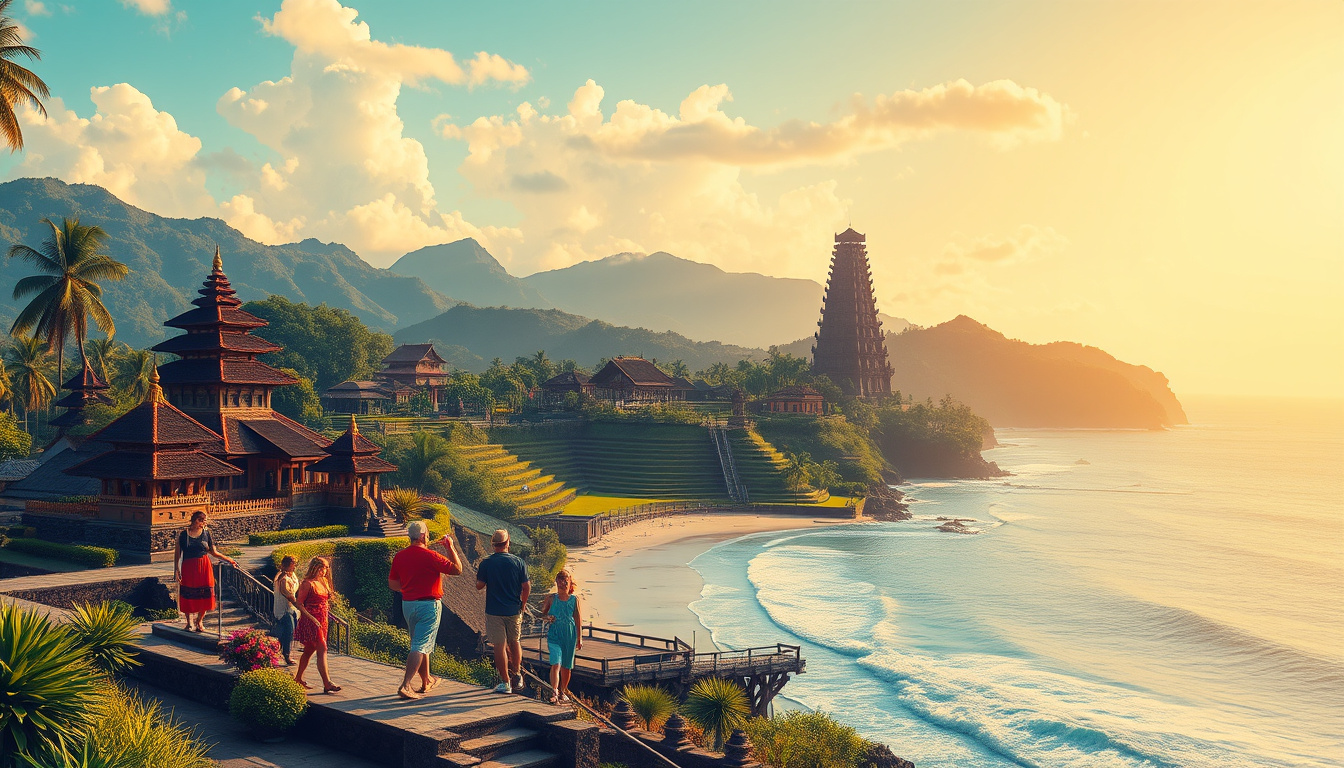
Parallel to this, vibrant developments unfolded along Bali’s southern coast. In 1936, American surfer Bob Koke arrived in Kuta, drawn by the pristine waves and simplicity of the fishing village. His establishment of the Kuta Beach Hotel introduced a laid-back, tropical aesthetic that combined local materials with influences from American beach culture. This pioneering effort sowed seeds for the island’s future as a global surf and leisure destination.
Continuity and Change: The Blueprint of Balinese Hospitality
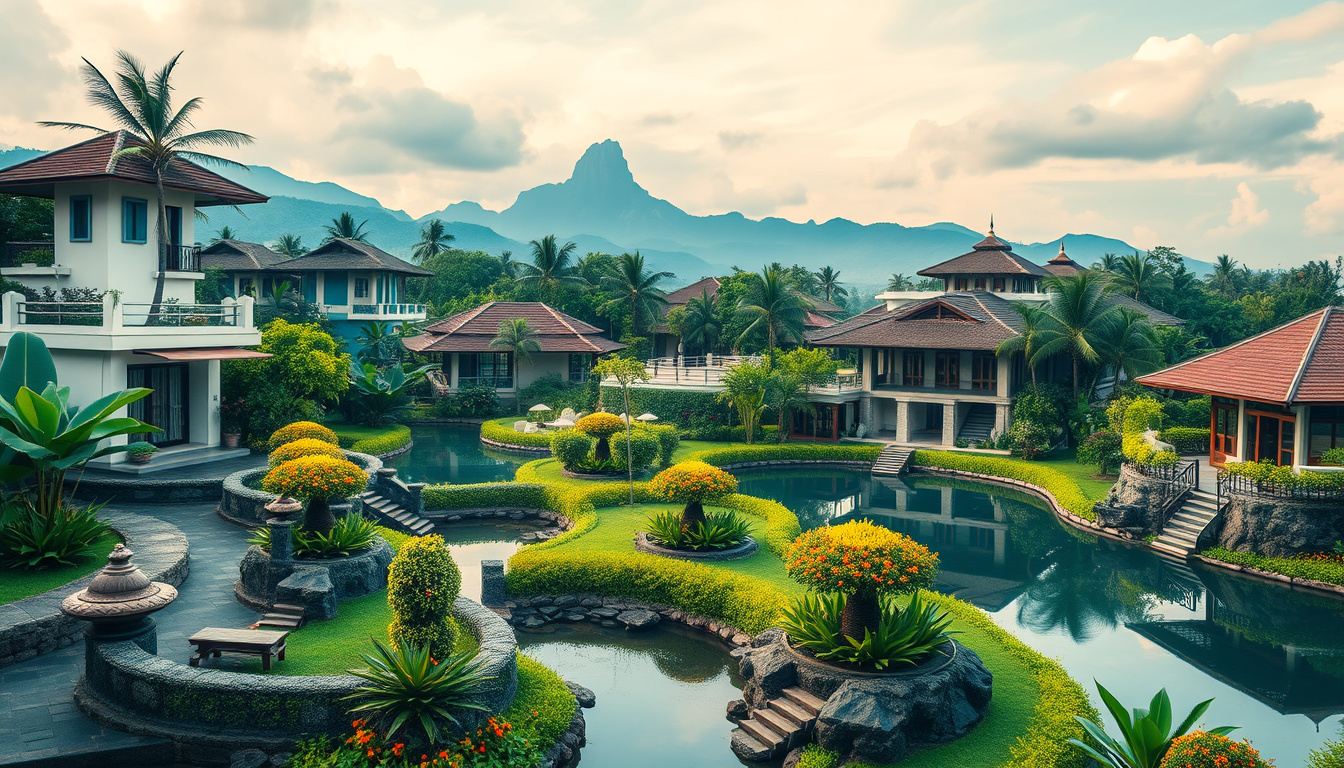
From royal residences repurposed as boutique hotels to beach bungalows built by surfers and international agents, Bali’s accommodations encapsulate its layered history of tourism. These spaces serve not just as lodging but as places where architecture, culture, and power converge to reinvent the island’s narrative.
Mahindro’s decade-long exploration of Bali’s hotels reveals how each phase of tourism development is etched in the island’s built environment—showing a deliberate blend of authenticity and adaptation. Bali’s story challenges simplistic notions of tourism as exploitation or commodification. Instead, it presents a nuanced portrait of place-making where history, politics, and cultural performance continuously shape and reshape the island’s global image.
Conclusion
The Bali we know today is far more than a tropical escape; it is a living testament to a century of deliberate cultural and architectural negotiations. From colonial exhibitions to contemporary tourism campaigns, from artistic collaborations to surf shacks, Bali’s identity is a rich tapestry woven through history and hospitality. As the island looks forward to welcoming tourists once again, understanding this layered past offers deeper appreciation for the place, performance, and people behind the paradise.



Add a comment