



Instagram vs Reality: Bali’s Paradise Struggles Under the Weight of Its Own Success
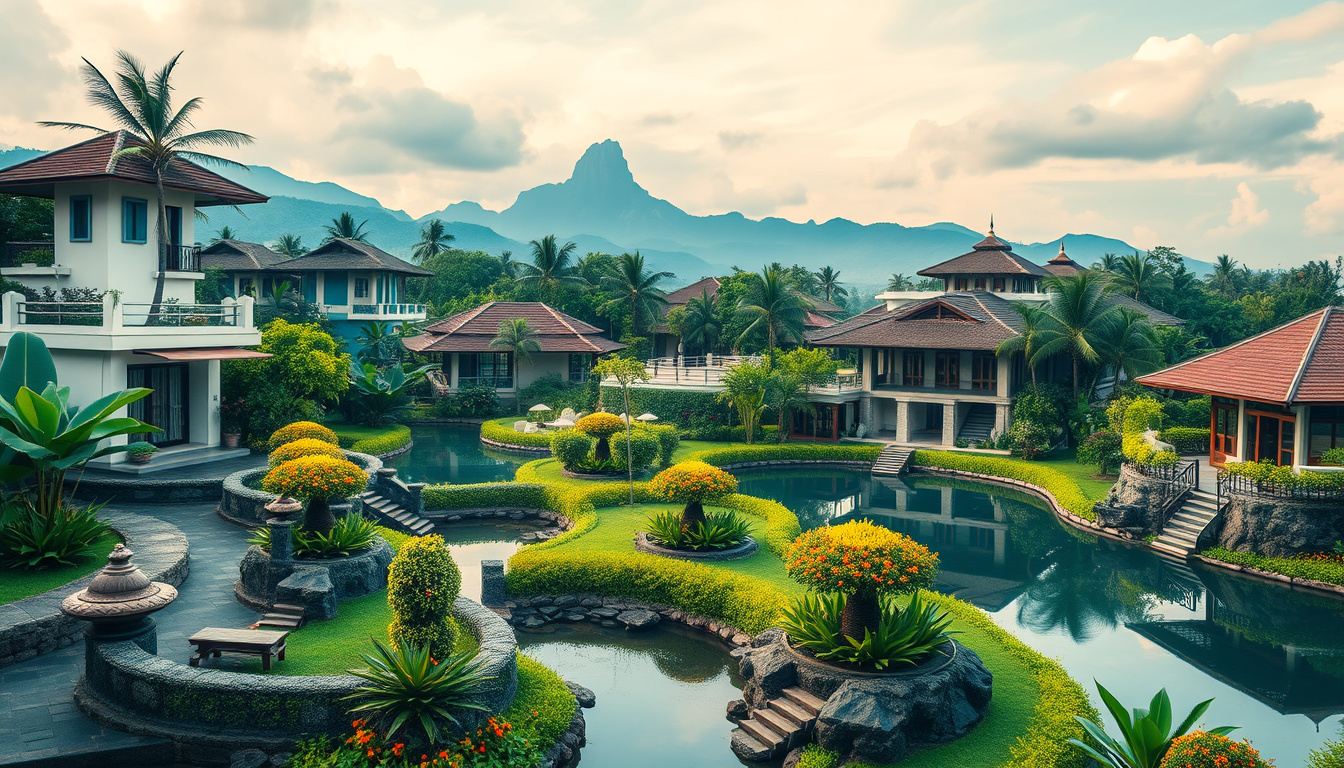
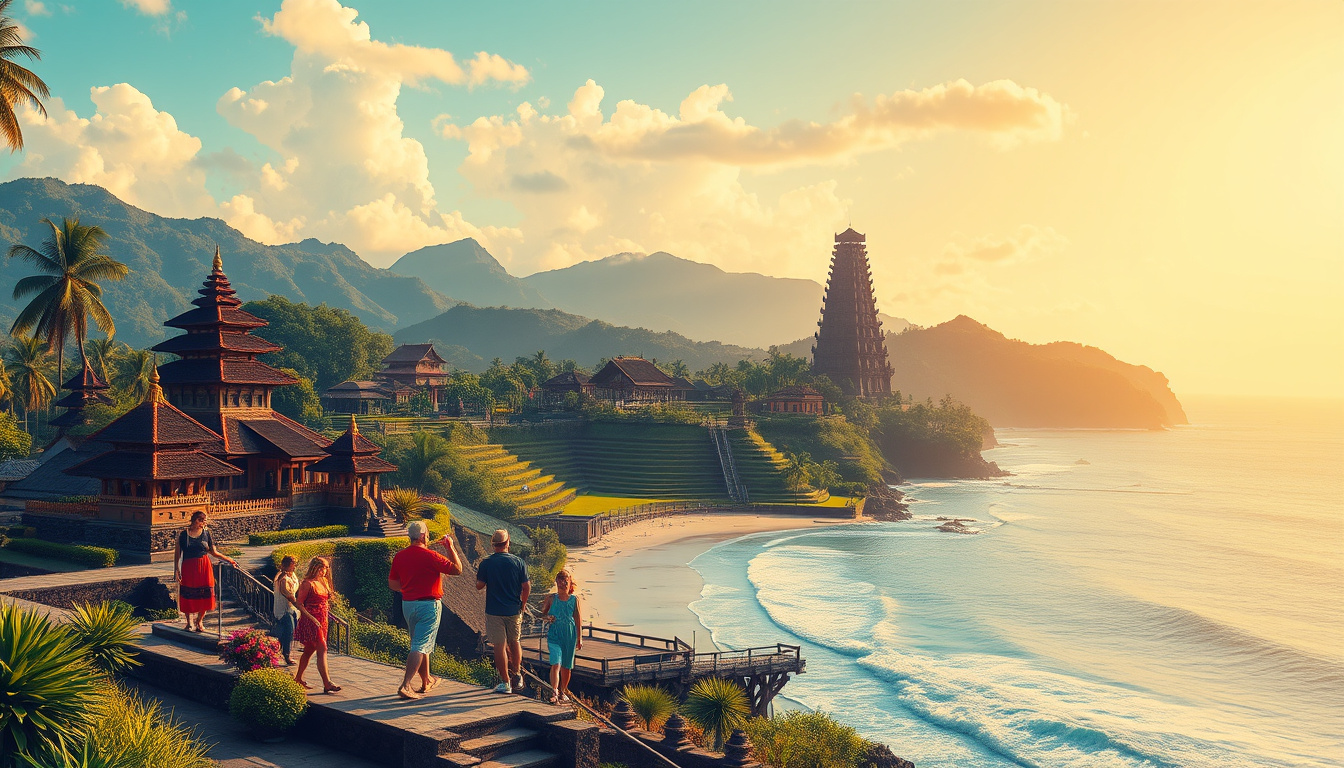
Bali, Indonesia — Once hailed as the idyllic tropical paradise of dreams, Bali has long captivated travelers with its lush landscapes, rich cultural traditions, and famed spiritual allure. Yet, the island is increasingly becoming a victim of its own soaring popularity, as the reality behind the Instagram-perfect images tells a more complex story.
The Disillusionment of Tourists
In recent months, a growing number of tourists have voiced their disappointment online, highlighting the gulf between Bali’s curated social media image and the crowded, congested island they actually experience. British influencer Zoe Rae, for example, shared her frustration in a YouTube video after arriving in Bali. Despite high hopes fueled by enchanting posts, she found something amiss with the reality around her and abruptly cut short her visit, flying to Dubai instead to continue celebrating her wedding anniversary.
Social media platforms abound with eye-catching comparisons of “expectations vs reality” showing the contrast between pristine shots of coffee shops and crowded streets, serene waterfalls and long lines of tourists, or idyllic beachside restaurants overshadowed by litter-strewn paths and traffic jams. The tourism boom has brought with it significant strains on infrastructure and the environment.
The Overwhelming Impact of Mass Tourism
Bali’s tourist numbers have surged dramatically over the last decade — from approximately 3.8 million international visitors in 2014 to more than 6.3 million last year, with 2025 projected to exceed seven million arrivals. This influx has added pressure on the island’s infrastructure, particularly in popular southern areas like Seminyak and Canggu, once sleepy villages now overwhelmed by traffic, construction, and noise.
While Bali remains famous for its spirituality, Hindu culture, and natural beauty, modern developments have spurred widespread commercialization. Beach clubs, luxury villas, gyms, and co-working spaces have sprung up at a rapid pace, catering largely to Western tourists seeking affordable luxury lifestyles. This shift has, some argue, reduced the island’s cultural authenticity to a backdrop for trendy photo opportunities.
Environmental and Social Challenges
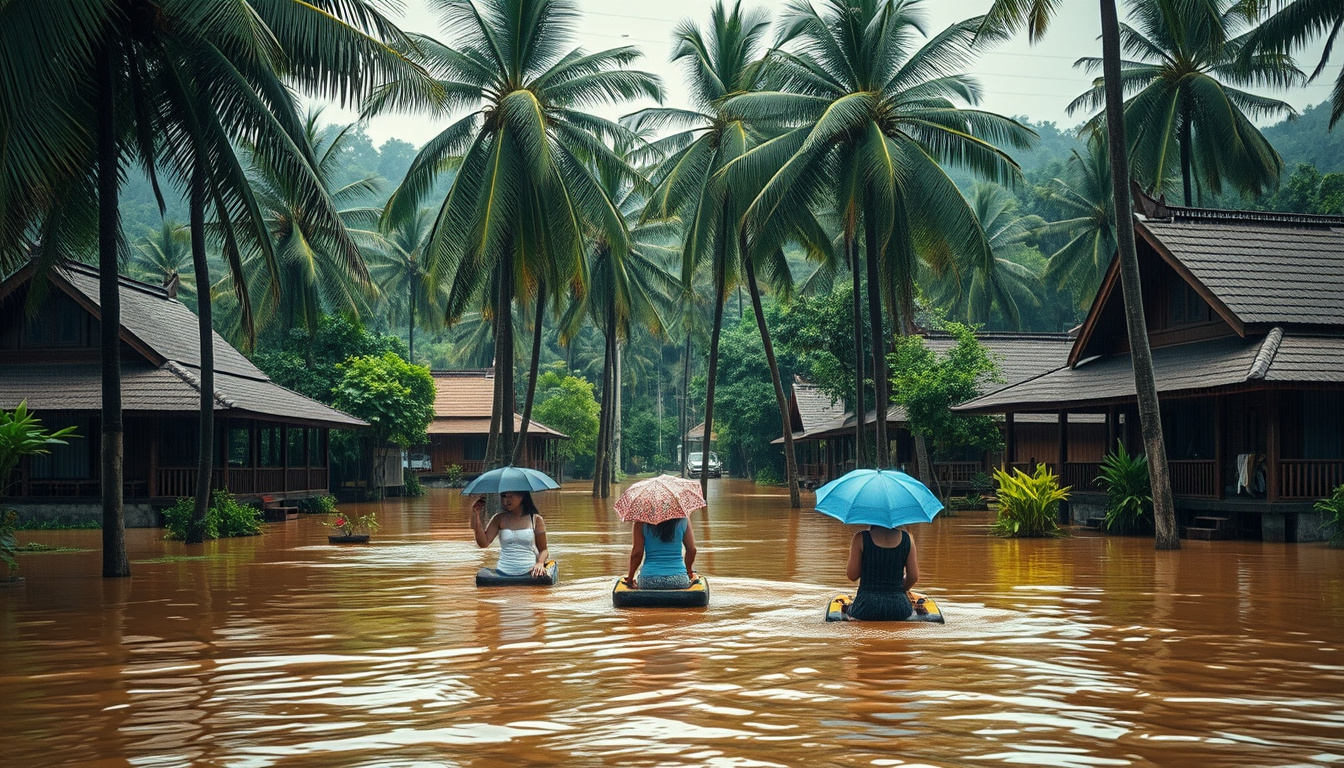
The downside of uncontrolled tourism growth has manifested starkly in recent months, including rare flooding that claimed more than a dozen lives. Authorities attribute the severity of the floods to poor waste management and rampant urban development, prompting the local government to enact restrictions on new construction projects. However, many locals and environmental advocates warn that such measures are overdue and insufficient.
Plastic pollution remains a persistent issue on Bali’s beaches, while the continual expansion of tourist hotspots pushes into previously quiet regions. Local residents like 22-year-old Ni Kadek Sintya recall a time when riding a scooter through the rice paddies of Canggu provided peace and solitude — a contrast to today’s bumper-to-bumper traffic and developing urban sprawl.
Local Perspectives: Pride, Concern, and Hope
For many Balinese, the island’s transformation is bittersweet. The tourism industry underpins the local economy and livelihoods, especially for younger generations. Yet, there is also growing frustration at the environmental degradation and cultural dilution that come with mass tourism.
“When tourists complain about how crowded Bali has become, they are also part of the crowd,” says Balinese researcher I Made Vikannanda, emphasizing the collective responsibility in these challenges. Other locals urge visitors to look beyond the well-trodden tourist paths and engage with Bali’s rich traditions and quieter natural wonders found in the island’s northern forests and coastal areas.
British content creator Hollie Marie, who lives in Bali, warns against relying solely on Instagram for impressions of the island. She highlights the importance of discovering the culturally rich aspects of Bali that many miss in favor of trendy cafés and popular Instagrammable spots.
Looking Forward: Balancing Growth and Sustainability
Bali’s predicament is emblematic of broader global tensions between preserving cultural heritage, protecting natural environments, and pursuing economic growth through tourism. With foreign arrivals expected to rise further, the challenge lies in managing development sustainably while maintaining the island’s unique identity.
Local authorities and activists advocate for stricter regulations on construction, improved waste management, and greater education for tourists and businesses alike. Although the road ahead is complex, there remains hope among many that Bali can find harmony between welcoming travelers and safeguarding its “last paradise” status.
For now, the gap between Instagram’s glossy portrayal and the island’s evolving reality serves as a vital reminder to travel responsibly—and to look beyond the lens to truly appreciate the multifaceted beauty and challenges of Bali.



Add a comment