



Instagram vs Reality: Bali—An Influencer Paradise Becoming a Victim of Its Own Success
Bali, Indonesia, once known as a tropical paradise and the "last paradise" for travelers seeking spiritual and natural beauty, is now facing growing challenges as it becomes overwhelmed by its skyrocketing popularity, particularly fueled by social media influences and mass tourism.
Disillusionment Amidst the Beauty
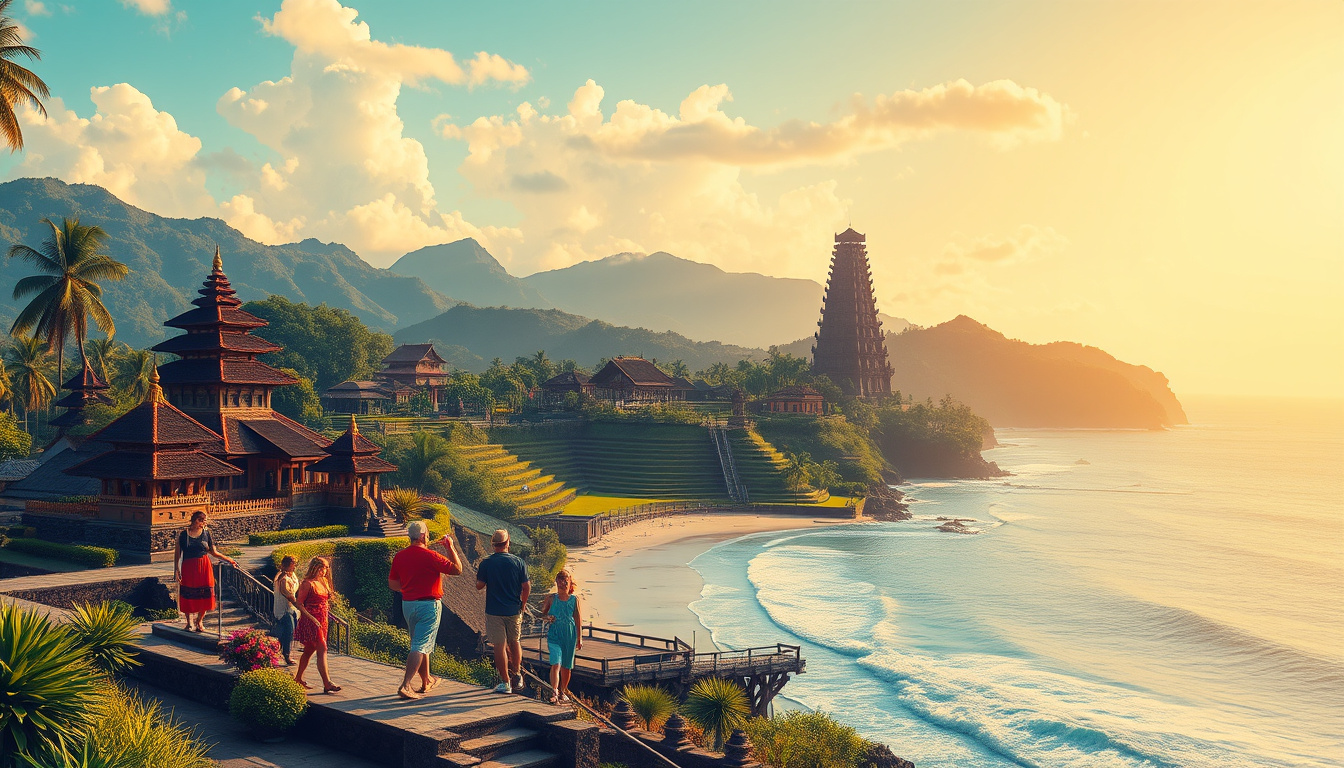
Recently, tourists like Zoe Rae have expressed disappointment after arriving in Bali with high expectations shaped by idyllic Instagram images. In a candid YouTube video filmed from her hotel room, Zoe revealed feeling that "something just didn’t feel quite right" upon arrival. While she did not elaborate on the specifics, her disenchantment was enough to cut short her stay and continue her wedding anniversary celebrations elsewhere.
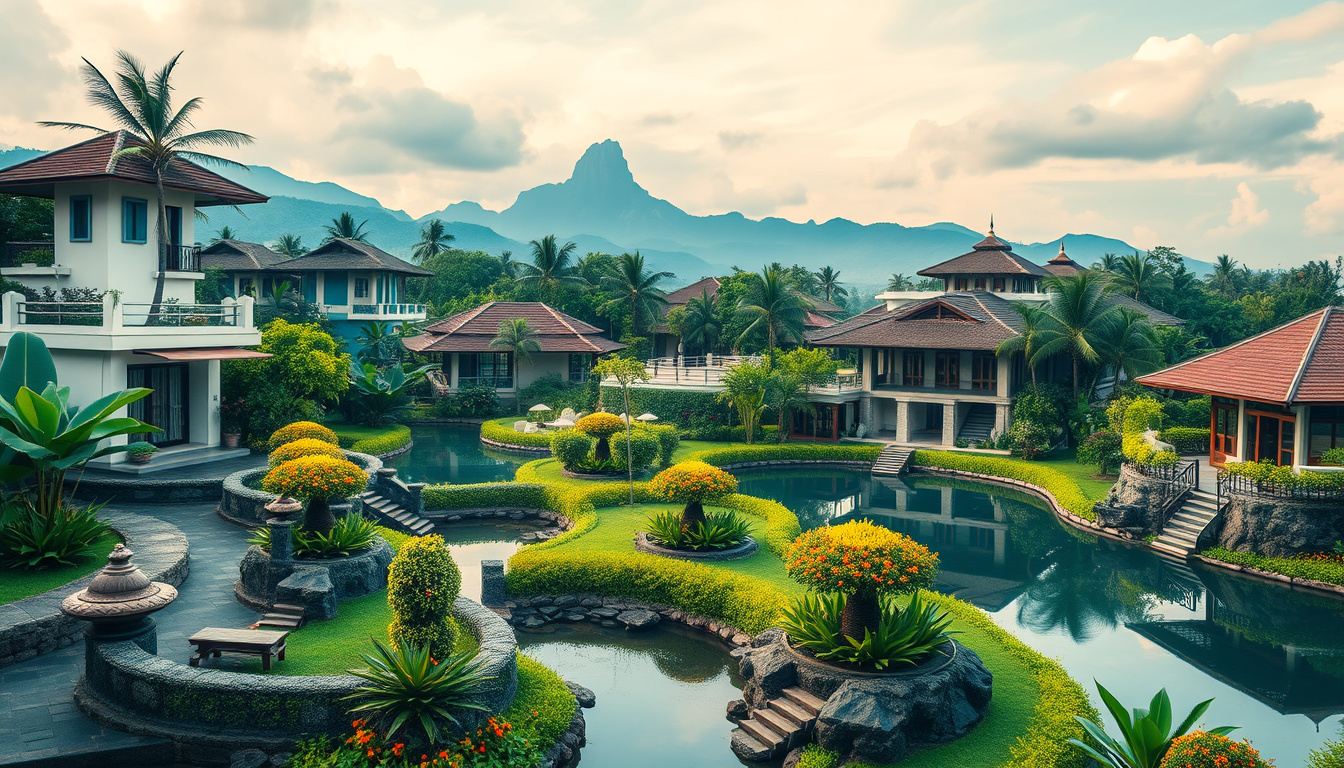
This sentiment is echoed across the internet, with many sharing "expectations vs reality" photos highlighting the stark contrast between Bali’s gorgeous social media shots and the less glamorous truths: crowded tourist spots, traffic congestion, litter-strewn beaches, and bustling construction zones.
A Boom Brought Challenges
Over the past decade, Bali’s tourism has surged dramatically—from 3.8 million visitors in 2014 to 6.3 million last year, with projections for 2025 exceeding 7 million. The island has evolved from a place celebrated for its unique Hindu culture, spiritual heritage, and serene landscapes, into a hotspot famed for beach clubs, luxury villas, and vibrant nightlife that cater primarily to Western tourists.
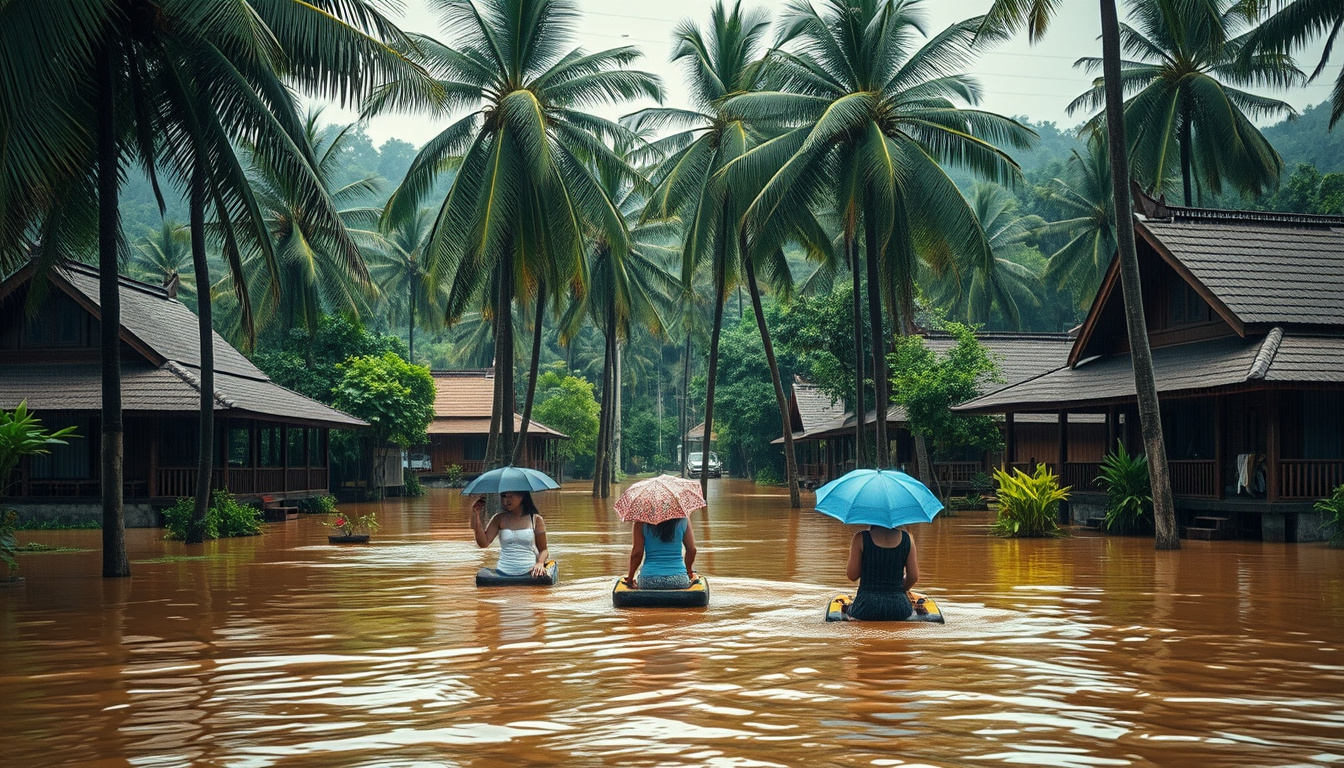
This tourism surge has led to significant congestion, traffic jams, and environmental strain. The problem recently escalated to tragic levels when rare floods claimed over a dozen lives. Officials attributed the disaster to poor waste management and unchecked urban development—problems intensified by Bali’s rapid growth as a tourist mecca.
The Culture vs. Commercialization
Bali has long been appreciated for its rich traditions and close ties with nature, where animals and ancient trees hold spiritual significance and local myths color the landscape. Travel writer Gisela Williams notes that the island’s mythos of utopia and beauty is closely tied to its Balinese Hindu culture.
However, the influx of tourism has brought a more superficial understanding of the island. Many visitors flock to stereotypical hotspots shown on Instagram, missing out on the island’s cultural depth and quieter natural retreats. Content creator Hollie Marie, who lives in Bali, warns that relying solely on social media can distort visitors’ perceptions and encourages exploration beyond the usual tourist circuits to discover the island’s authentic cultural and natural richness.
Local Perspectives and Growing Frustration
Locals observe profound changes as tourist areas expand and traditional rural roads have transformed into congested thoroughfares lined with cafes, villas, and gyms. Ni Kadek Sintya recalls the past tranquility of Canggu, a once sleepy village now infamous for traffic and urban sprawl. She expresses a deep sadness at how quickly Bali’s landscapes are being altered and "eroded day by day."
Yet, there is an acknowledgment among the local community that tourists contributing to overcrowding are also part of the problem. Researcher I Made Vikannanda points out the irony of visitor complaints, emphasizing that tourists, by their presence, contribute to issues like traffic and congestion.
The Darker Side of Tourist Boom
Tourism has also brought behavioral problems, including incidents involving intoxicated scooter drivers, disrespect at sacred sites, and fights leading to deportations. The recent arrival of thousands of Russian and Ukrainian expatriates fleeing conflict back home has added to social tensions, with Indonesian authorities noting concerns about rising criminal activities tied to some foreign residents.
Moving Towards Solutions
In response to escalating issues, the local government has announced restrictions on new construction projects, aiming to curb unregulated development and better manage infrastructure strain. However, many locals and observers feel these measures come too late or may be insufficient.
Despite these challenges, there is cautious optimism among some community leaders and researchers who believe that with thoughtful planning and sustainable tourism practices, Bali can still balance development with the preservation of its natural and cultural harmony.
Conclusion
Bali’s journey from a secluded cultural gem to a global tourist hotspot illustrates the double-edged nature of success in the digital age. The island’s enchanting image on Instagram masks a complex reality faced by locals and visitors alike. Preserving Bali’s spiritual essence and natural beauty while accommodating millions eager to experience its charm is an ongoing challenge—one that calls for collective responsibility from tourists, businesses, and governments to ensure this paradise endures for generations to come.



Add a comment