



Bali on Instagram and in Reality: How the Paradise Island Becomes a Victim of Its Own Popularity
By Ko Eve (Singapore) and Adi Mardiati (Bali) – September 28, 2025
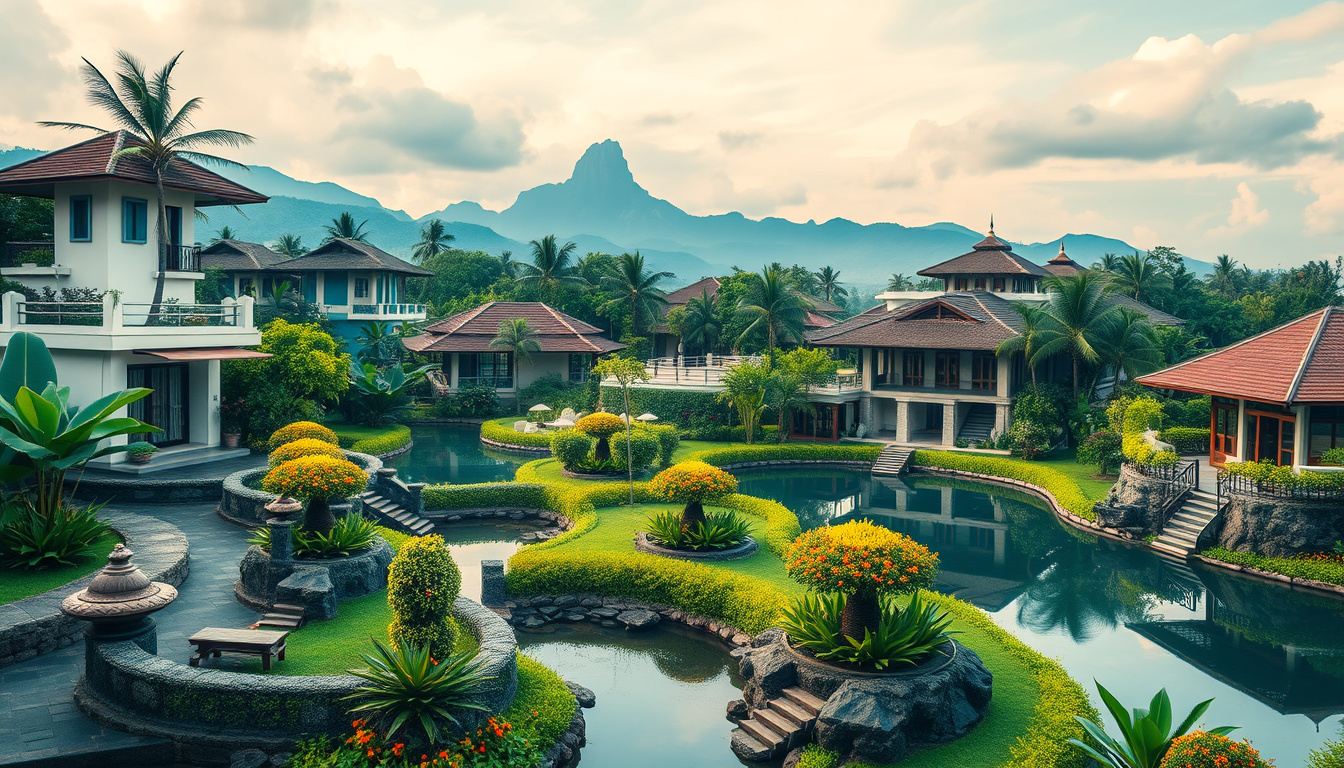
For decades, Bali, Indonesia’s famous tropical paradise, has captivated countless tourists worldwide. However, a growing number of visitors now express disappointment upon arrival, finding the island’s reality far from the idyllic image portrayed on social media.
Discrepancy Between Expectations and Reality
Zoe Ray, a tourist who visited Bali this year, shared her disillusionment in a YouTube video recorded from her hotel room. She described a stark contrast between the polished Instagram photos and the actual experience, noting, "From the moment we landed, something felt off. We arrived with high hopes after seeing how wonderful everyone’s time appeared in social media posts."
She pointed out that if one zoomed out beyond the picture-perfect coffee shops, the true environment emerged — a reality marred by overcrowding and degradation. Rather than enjoying Bali, Zoe abruptly booked a flight to Dubai to continue her wedding anniversary celebrations, signaling her disappointment.
The Social Media Illusion and Tourist Overload
Social networks abound with “expectations vs. reality” posts from tourists visiting Bali — serene sunset dinners at seaside restaurants contrasted with images of trash piled along precarious stairways; bikini-clad visitors posing by waterfalls as crowds jostle for their turn; fresh smoothies sold beside streets congested with smoky motorcycle traffic.
Millions flock annually in search of the spiritual Shangri-La described in travel memoirs and popularized by the early 2000s film Eat Pray Love. Instead, they often encounter dense crowds, traffic jams, and the noisy disruption of construction work fueled by a post-pandemic tourism boom.
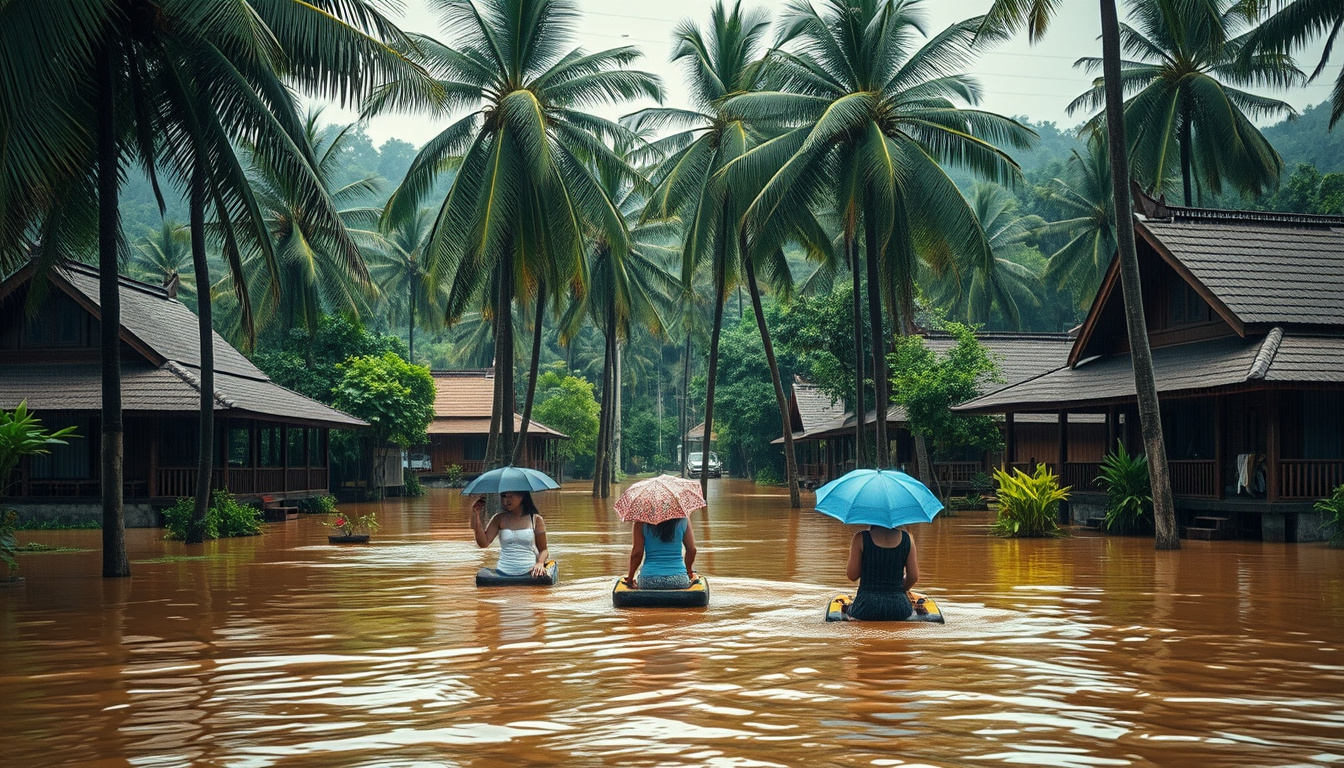
The massive influx of tourists has long stirred dissatisfaction. However, recent events have intensified concern: severe flooding caused more than a dozen deaths. Officials blame ineffective waste management systems and uncontrolled urban expansion for worsening these crises. Local authorities have pledged to limit new developments, though many locals deem these actions insufficient and belated.
From Spiritual Haven to Tourist Hotspot
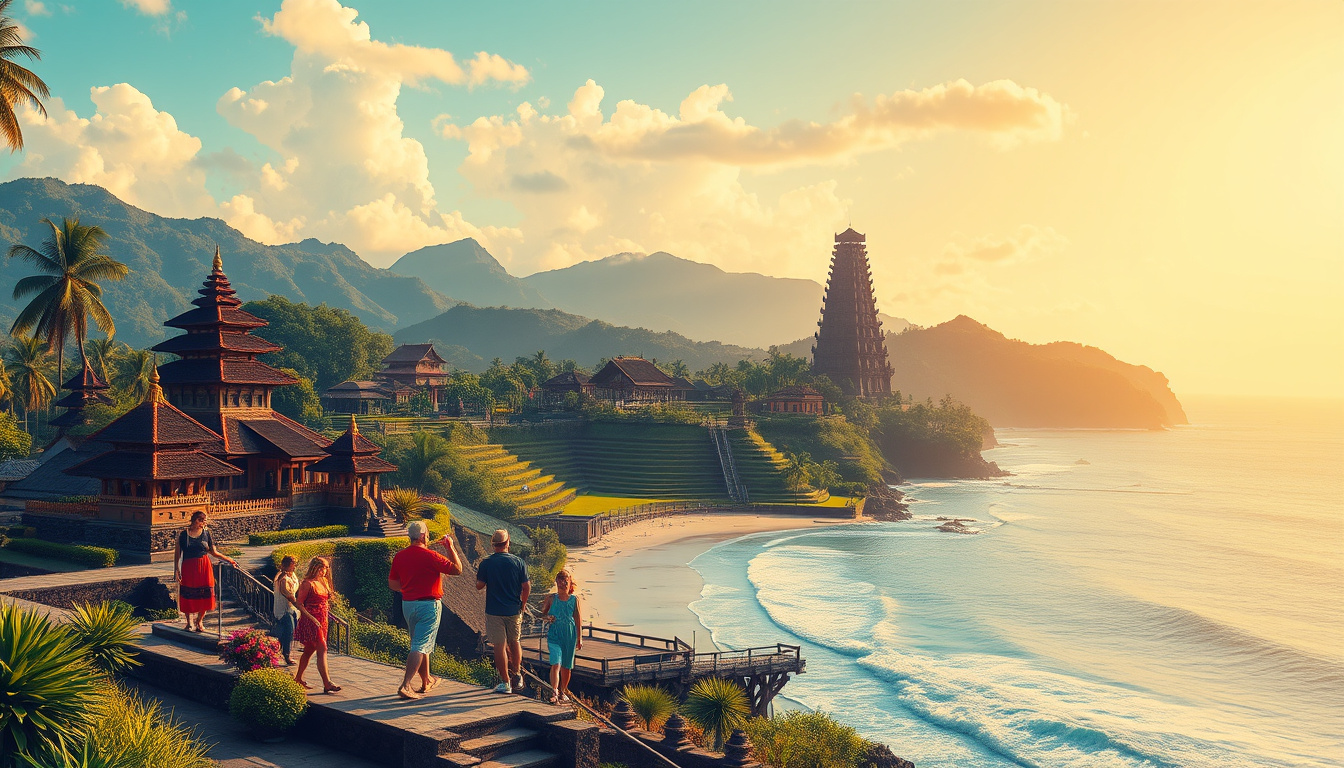
Originally attracting Western travelers in the early 20th century due to its exotic Hindu temples and lush rice terraces, Bali’s deep cultural and spiritual roots have defined it for centuries. Sacred animals like monkeys, cows, and birds are revered, ancient trees are believed to house spirits, and Mount Batur is considered protected by a goddess.
Berlin-based writer and long-time Bali visitor Gisela Williams remarks, “Balinese Hindu culture forged the mythos of the island as a utopia of natural beauty and spirituality.” But over the past decade, tourism exploded—from 3.8 million visitors in 2014 to 6.3 million last year—with 2025 poised to exceed seven million foreign tourists.
Today, Bali is better known for crowded beach clubs and surfer hotels than for its unique traditions or untouched landscapes. Unlike much of Indonesia, Bali offers easily accessible alcohol and more permissive dress codes, attracting tourists eager to indulge in luxury villas and spa experiences.
Williams notes, “Many Western tourists indulge in accessible luxury lifestyles. But social media offers only superficial impressions: you see a picture, then you travel. There’s little depth to the knowledge gained.”
Voices from the Island: Culture Overlooked
Zoe Ray’s disappointment highlights widespread misconceptions fueled by idealized images. British resident Holly Marie cautions on TikTok that those relying solely on Instagram have a distorted view of Bali. “Tourists tend to visit the same Instagrammable places but ignore Bali’s incredibly rich culture,” she told BBC.
Long-term residents and explorers of lesser-known areas emphasize the island’s broader natural allure, from dolphin watching and diving to the tranquil northern landscapes. “Bali is so much more than party spots,” says Kannie Klodia, who moved from Jakarta to Bali. “If you think Bali is overcrowded, you’re just in the wrong places.”
The Darker Side of Bali’s Tourism Boom
However, locals acknowledge that the island has undeniably changed under tourism’s pressure. Balinese researcher and environmental advocate I Made Wikananda points out the irony in tourists’ complaints about crowds: “When tourists say they’re disappointed by how crowded Bali is, they are part of that crowd. It’s like being stuck in traffic and wondering why there are so many cars when you’re driving one yourself.”
Twenty-two-year-old Ni Kadek Cynthia recalls quieter times when scooter rides through Changu passed rice fields and peaceful spots for breaks. Five years later, Changu faces some of the worst traffic jams on the island, with impatient honks accompanying her daily commute past villas and cafes. “I wouldn’t stop there now, let alone relax. It feels like Bali is deteriorating day by day,” she says sadly.
Places like Changu, once a sleepy fishing village, have transformed into popular destinations for surfers and hipsters. As tourists hunt for “hidden gems,” similar development spreads to other districts like Uluwatu and Seminyak, with cafes, gyms, and co-working spaces lining narrow rural roads. Further north, quieter areas like Pererenan and Ubud market themselves as escapes from southern noise, but increased visitation fuels more construction, threatening the delicate balance.
Behavioral Concerns and Social Challenges
Bali also faces challenges from tourist behavior. News frequently reports on accidents caused by drunk or reckless driving on scooters, deportations over disrespectful conduct at sacred sites, and altercations involving intoxicated visitors. The influx of thousands of Russians and Ukrainians settling on the island since the Ukraine conflict began has raised concerns among local authorities about crime.
The head of Indonesia’s National Narcotics Agency recently warned about growing problems linked to criminal activities among these new expatriates. Rising frustration among residents manifests in social media posts criticizing disrespectful tourists.
Toward Sustainable Tourism?
The complex paradox of Bali’s popularity raises urgent questions about sustainability. While tourism brings economic benefits, the environmental and cultural costs are mounting. Effective management of construction, waste, and visitor behavior is critically needed to preserve the island’s essence.
For now, Bali remains at a crossroads — a beloved paradise wrestling with the unintended consequences of its own success and a world increasingly connected by the illusions of social media. Whether it can reclaim its spiritual heritage and natural beauty amid modern pressures remains an open challenge for locals and visitors alike.



Add a comment