



Instagram vs Reality: Bali’s Journey From Influencer Paradise to Overwhelmed Tourist Hotspot
Bali, Indonesia, long celebrated as a tropical paradise and spiritual haven, is increasingly facing the stark reality behind its glamorous social media image. Once famed for its serene landscapes, rich culture, and tranquil vibes, the island now finds itself grappling with overcrowding, pollution, and a tourism boom that threatens to erode the very paradise visitors seek.
The Divide Between Expectation and Experience
Tourists’ idealized visions of Bali, often curated through Instagram and other social media platforms, contrast sharply with the island’s current circumstances. Zoe Rae, a visitor who shared her disillusionment in a July YouTube video, reflected a growing sentiment among travelers. She explained that despite high expectations fueled by idyllic social media posts, her experience felt off—so much so that she cut her Bali trip short to celebrate her wedding anniversary in Dubai instead.
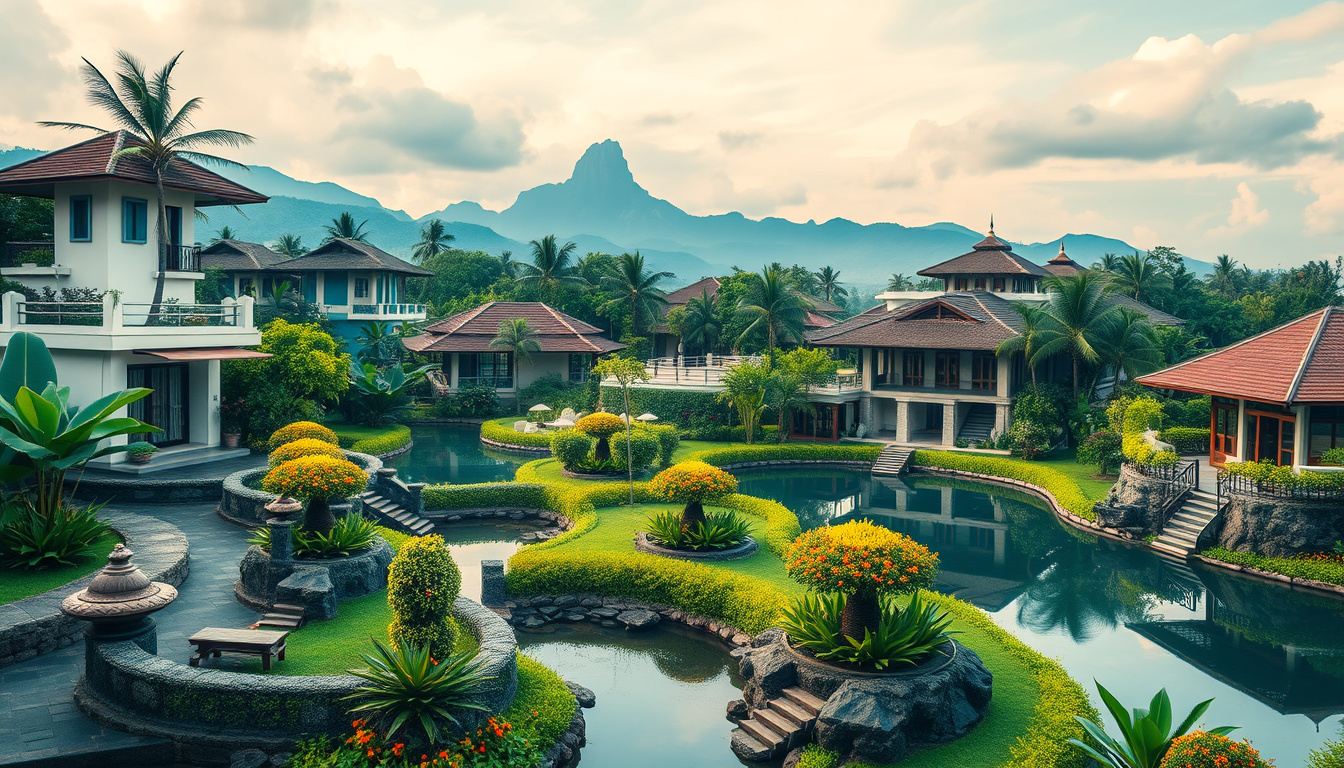
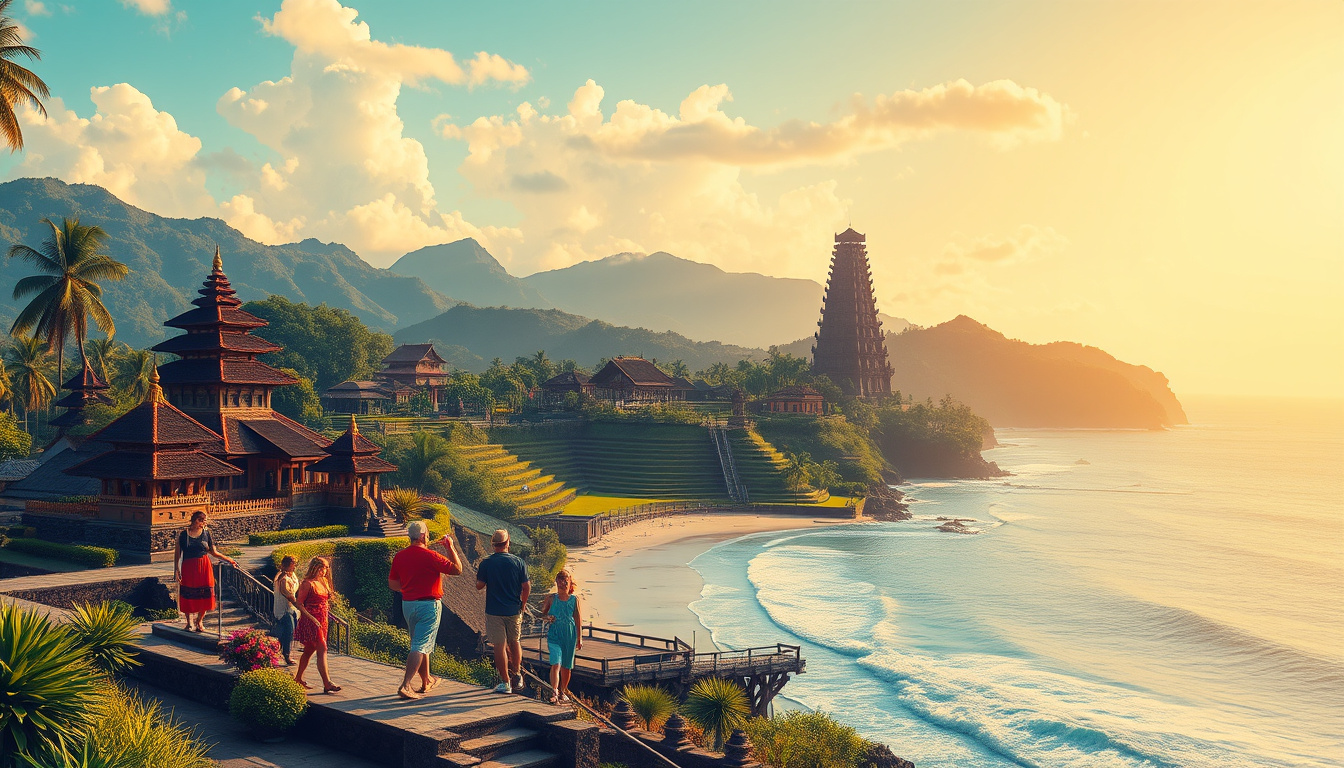
Social media is rife with comparisons highlighting this disparity: posts juxtapose stunning sunset dinners with images of rubbish-strewn stairways; idyllic waterfall selfies contrasted against long lines of tourists clambering over slippery rocks; picturesque outdoor cafes overshadowed by congested traffic filled with smoky motorcycles. These reveal an island struggling to cope with the consequences of its own popularity.
Tourism’s Toll on Bali’s Environment and Infrastructure
Millions visit Bali annually—numbers have surged from 3.8 million in 2014 to over 6 million in recent years, and projections for this year suggest the island could welcome more than 7 million foreign tourists. This influx fuels development but also intensifies traffic jams, noise pollution, and waste management challenges.
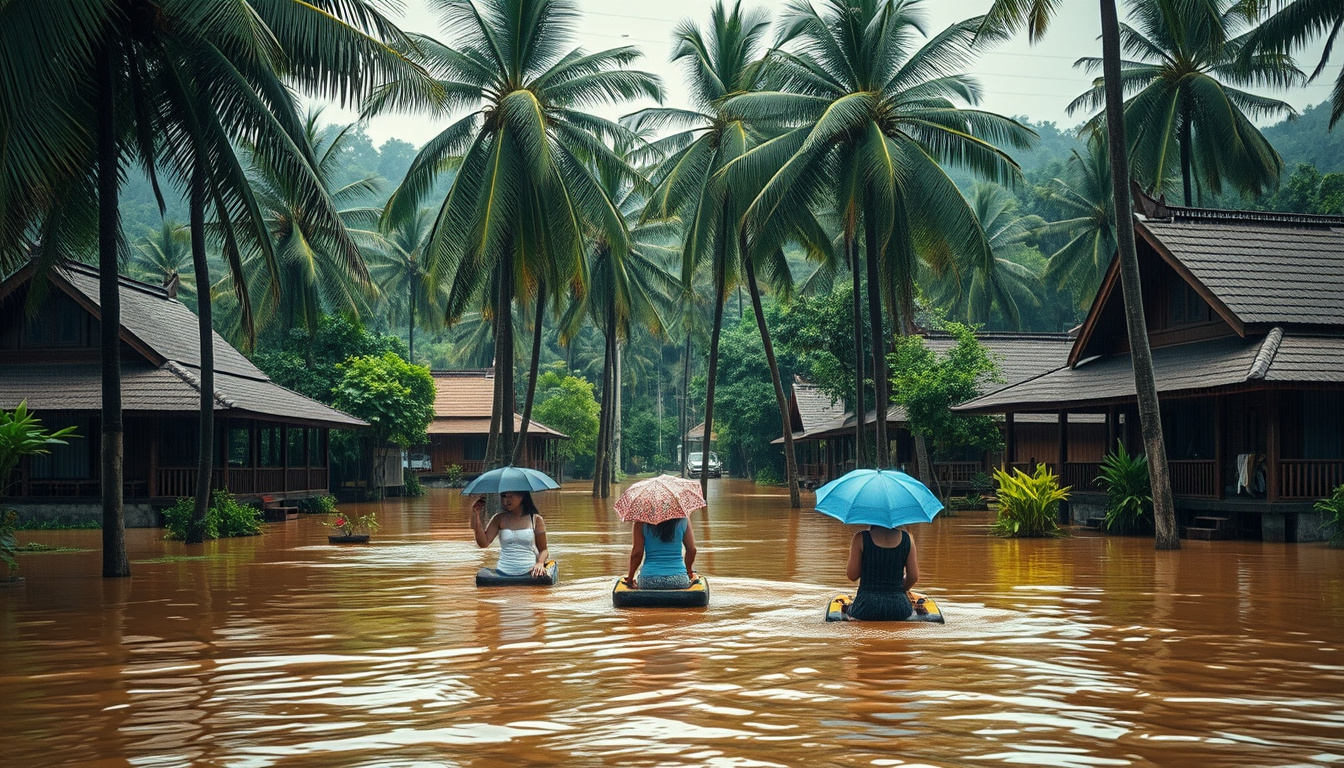
In a tragic turn earlier this year, rare floods claimed over a dozen lives, with officials citing poor waste disposal and unchecked urbanization among contributing factors. This has prompted the local government to announce restrictions on new construction projects. Yet many locals and observers feel these measures may be too little, too late.
From Utopian Dreams to Commercial Realities
Historically, Bali attracted Western travelers with its unique Hindu culture, spiritual heritage, and pristine natural beauty. For example, ancient beliefs attribute sacred significance to local animals, trees, and the revered Mount Batur volcano. Travel writer Gisela Williams described Bali as a place where “utopia and great beauty and culture” intertwined, largely driven by its unique local traditions.
However, in the last decade, Bali’s reputation has shifted. The island is now often associated more with trendy beach clubs, surf houses, luxury villas, and spas that cater predominantly to Western visitors seeking an affordable luxury lifestyle. “Since social media has taken over, it’s a very superficial way of understanding a place… You just see a picture, and then you go,” Williams explained.
Locals Encourage Deeper Exploration
The Instagram-driven visitor experience tends to focus on a narrow set of popular spots, often overlooking Bali’s cultural depth and less commercialized natural beauty. British TikTok content creator Hollie Marie, who lives on the island, highlighted that “only looking up Bali on Instagram will give you a distorted reality.” She urged travelers to explore beyond the frequently visited locales to appreciate Bali’s rich cultural heritage and quieter, more authentic corners.
Similarly, Indonesian-born resident Canny Claudya emphasized the diversity of experiences available, stating that if tourists find Bali overcrowded, “then you’re just not in the right places.” Lesser-known areas such as the forested north and sites popular for dolphin-watching and diving remain lush and relatively unspoiled.
The Price of Popularity
Despite such reassurances, many Balinese residents feel the island is being “eroded day by day.” Ni Kadek Sintya, who commutes daily through the once quiet village of Canggu, noted how rapid development has transformed peaceful paddy field routes into congested streets lined with cafes, villas, and gyms. Traffic jams, noise, and urban crowding have become part of everyday life.
Tourism’s expansion has pushed development from the crowded south to previously sleepy villages like Canggu and Pererenan, while resorts in Ubud’s northern jungles market themselves as an antidote to the island’s southern bustle. However, this spread threatens more rural and forested areas as construction increases. Locals worry that efforts to disperse tourists may simply encourage widespread development, putting more pressure on the environment.
Adding to local frustrations are headline-grabbing incidents involving misbehaving tourists—ranging from reckless scooter rides and intoxication to disrespectful acts at sacred sites. Moreover, the island has seen an influx of Russian and Ukrainian residents escaping conflict, some reportedly involved in criminal activities, causing concern among authorities.
Local Perspectives: A Complex Balance
While social media users often criticize Bali’s overcrowding, some locals point out the irony. “When tourists say they are disappointed with Bali being more crowded, they are also part of the crowd,” noted researcher I Made Vikannanda, who advocates for protecting the island’s nature and cultural heritage. He likened the dilemma to being stuck in traffic while contributing to it.
Ni Kadek Sintya echoed the complexities locals face, caught between growing resentment toward tourism’s negative effects and dependence on tourism as a livelihood. “It can feel like I’m being trapped,” she said, underscoring the delicate economic balance on the island.
Despite the “uncontrolled growth,” Vikannanda remains cautiously optimistic that Bali’s future can be sustainable if development is carefully managed to maintain harmony between progress and nature.
Moving Forward
Bali’s tale is one of transformation — from an island of cultural mystique and natural beauty to a global tourism hotspot struggling with the challenges that come with fame. The challenge ahead will be balancing the demands of modern tourism with the preservation of Bali’s environment, heritage, and community well-being.
As this paradise grapples with its own success, both visitors and locals alike face the task of redefining what Bali truly represents beyond social media snapshots—a place deserving of respect and mindful stewardship.



Add a comment