



Instagram vs Reality: Bali’s Struggle Amidst Surging Tourism
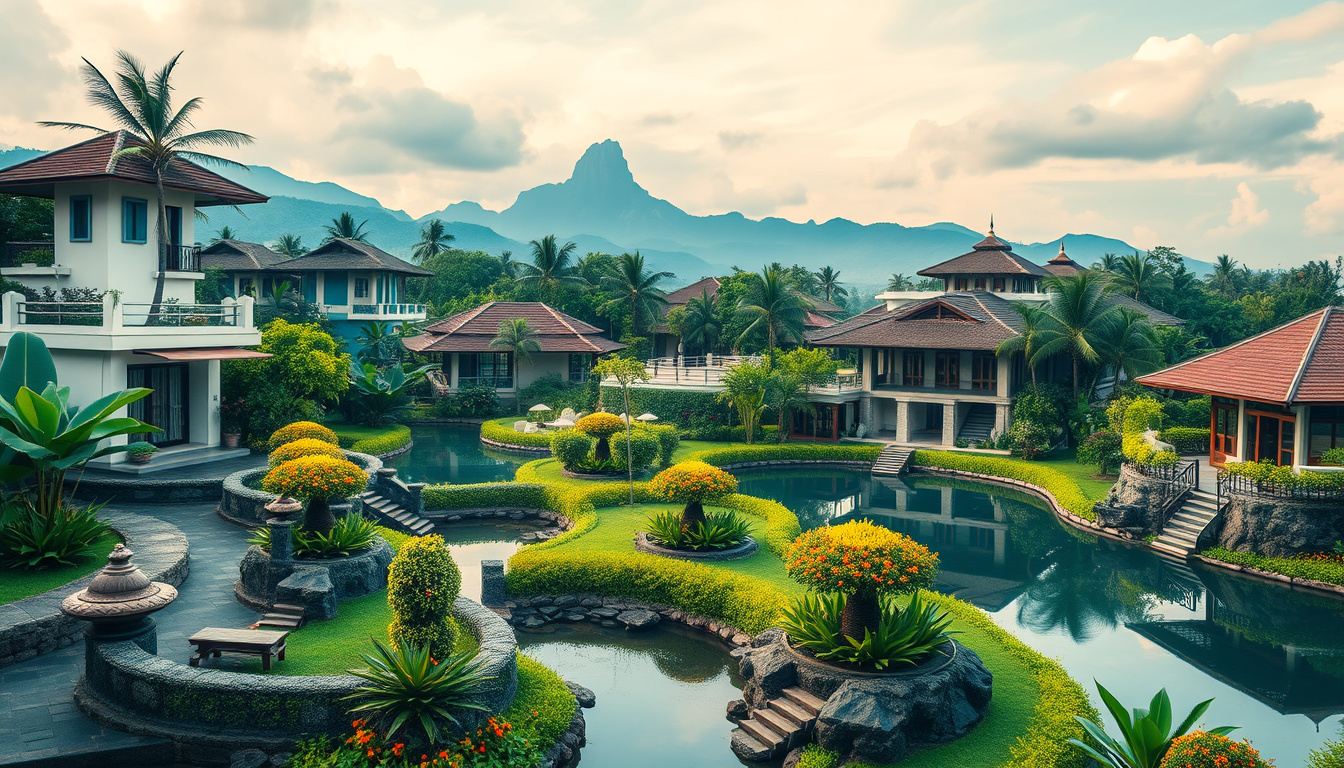
Bali, Indonesia, once renowned as a serene tropical paradise steeped in spirituality and natural beauty, is increasingly becoming a victim of its own burgeoning success. Long celebrated in travel memoirs and social media as a utopian getaway, the island’s idyllic image is now clashing with the complex reality faced by both visitors and locals.
Discontent Behind the Instagram Filter
Tourists have taken to social media to express their growing disillusionment with the gap between their expectations and the reality of visiting Bali. British content creator Zoe Rae, who had planned to celebrate her wedding anniversary on the island, shared in a recent YouTube video her disappointment, citing an unsettling atmosphere that motivated her to abruptly cut her stay short and continue celebrations elsewhere. Although she refrained from detailing the particulars of her experience, her sentiments echo a broader wave of dissatisfaction.
Visual contrasts frequently emerge online. Photos showcasing tranquil beachside dining are often paired with images revealing litter-strewn access paths. Pictures of tourists posing at waterfalls gloss over the lengthy queues and crowded spots behind the scenes. Smoothies enjoyed in bamboo-strapped cafes sit alongside images of traffic-congested streets filled with polluting motorbikes. This juxtaposition has sparked growing debate about Bali’s changing landscape.
Tourism Boom and Its Consequences
Bali’s annual visitor numbers have exploded, rising from 3.8 million in 2014 to over 6.3 million last year, with projections indicating a record-breaking seven million tourists this year. While the influx has fueled booming hotel, villa, and hospitality industries catering to Westerners seeking affordable luxury, it has significantly strained local infrastructure and natural resources.
The post-pandemic tourism surge has exacerbated issues such as traffic congestion, overcrowding in popular areas, and environmental degradation. Increased construction activities have prompted concerns about unchecked urban development, prompting the local government to impose restrictions on new projects. However, many critics argue these measures come too late to reverse long-term damage.
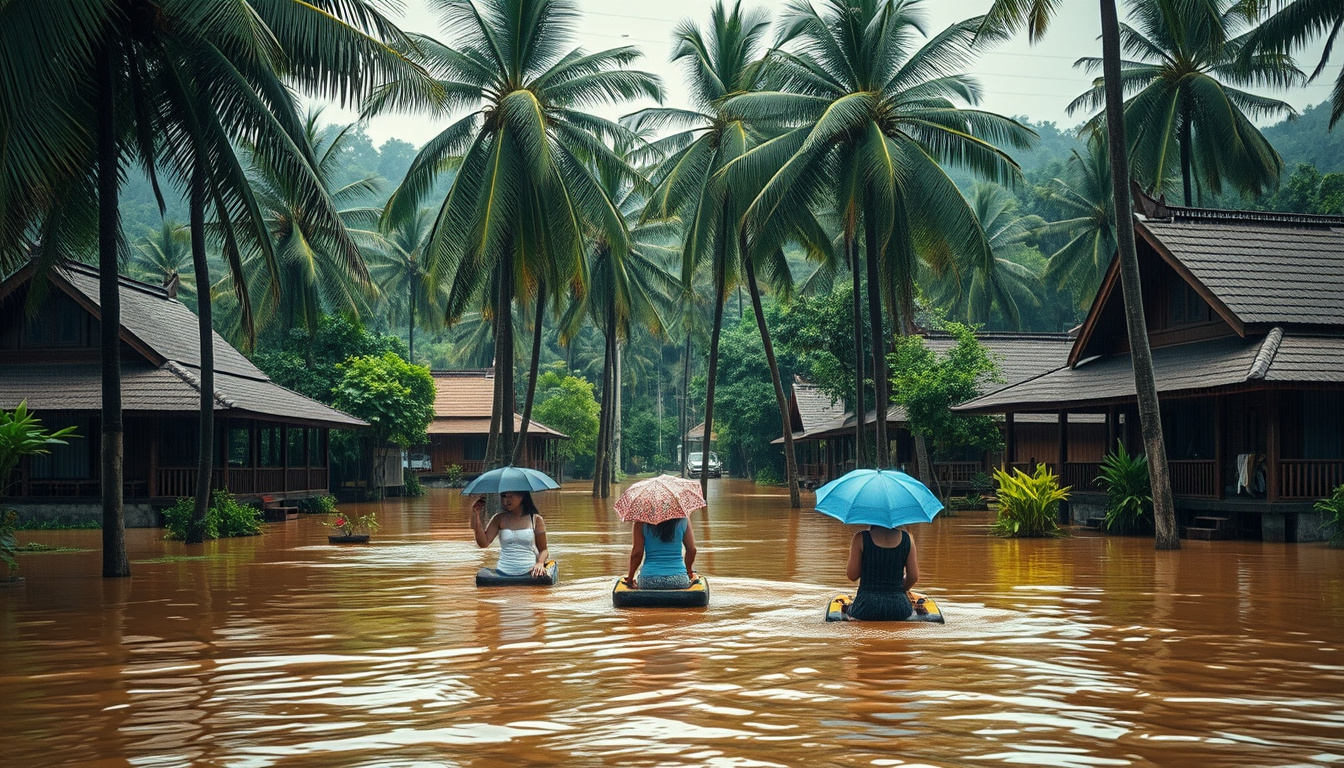
Recent deadly floods, which claimed more than a dozen lives, highlighted the consequences of inadequate waste management and unsustainable urban planning. Officials have linked the severity of these disasters to the pressures caused by growing tourism and environmental neglect.
A Cultural and Ecological Crossroads
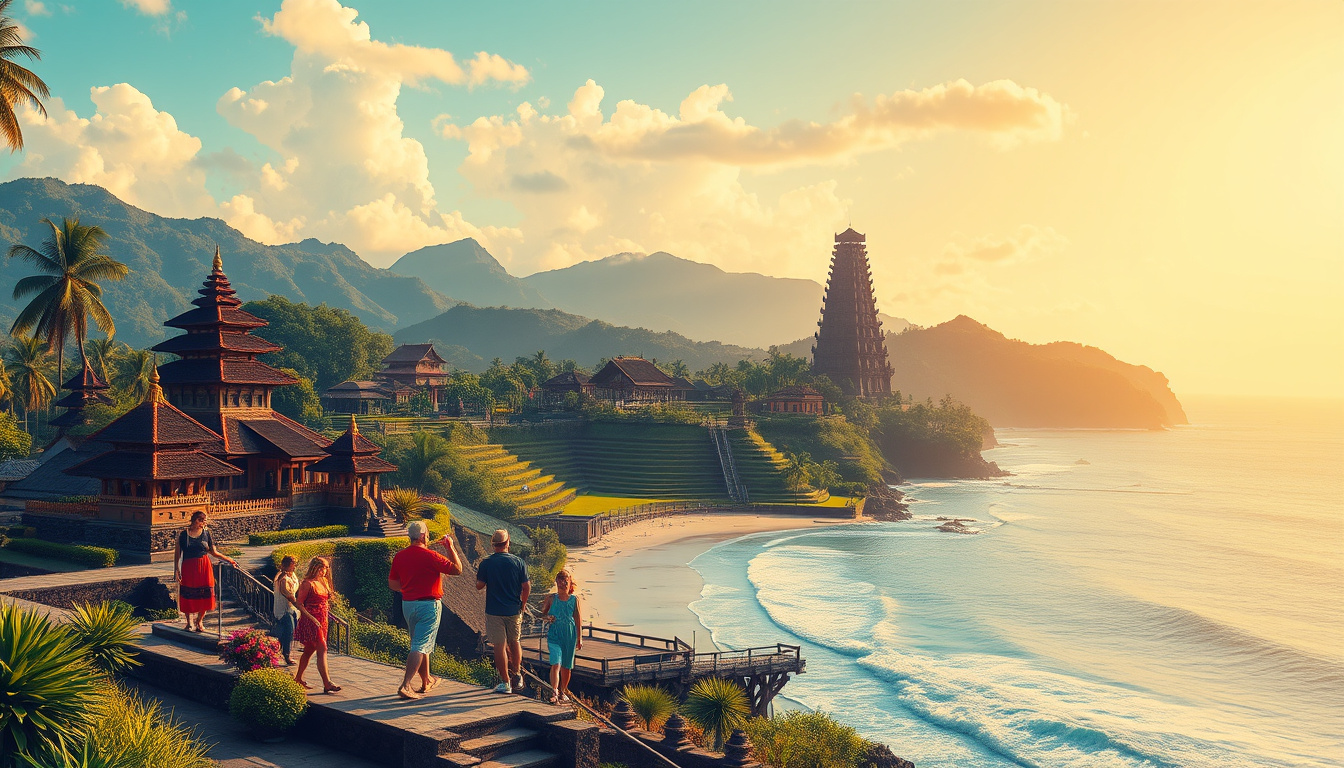
Bali’s allure has its roots in its distinctive Hindu culture, revered natural sites, and deep spiritual traditions. For decades, it attracted explorers drawn to its temples, lush rice terraces, and ancient beliefs that imbue nature with sacred significance. Travel writer Gisela Williams notes that these cultural attributes helped craft Bali’s myth as a paradise.
However, the island’s current image is increasingly associated with a party lifestyle, beach clubs, and Instagrammable spots favored by tourists seeking luxury rather than cultural immersion. Content creators like Hollie Marie, who lives in Bali, challenge visitors to look beyond social media’s surface to appreciate the island’s rich culture and less crowded, naturally beautiful areas such as the northern coast and inland jungles.
Locals lament the loss of quieter ways of life. Ni Kadek Sintya, a young Balinese resident, recalls peaceful scooter rides along countryside roads five years ago that have since been transformed by relentless development and traffic snarls. “Every time I ride past the spots I used to rest, there’s this feeling of sadness. Bali is being eroded day by day,” she reflects.
The Costs of Popularity
The transformation of once-sleepy villages like Canggu into lively tourist hubs exemplifies the island’s rapid evolution. Popular neighborhoods have seen an influx of trendy cafes, gyms, and coworking spaces replacing traditional landscapes. This trend continues spreading to other areas, risking overdevelopment.
Moreover, escalating instances of rowdy tourist behavior — from accidents caused by reckless scooter driving to disrespectful acts at sacred sites — have sparked local frustration. The arrival of displaced Russians and Ukrainians fleeing conflict has introduced new social dynamics, including concerns over rising criminal activities, as reported by Indonesia’s National Narcotics Agency.
Despite these tensions, many Balinese continue to extend their famed hospitality, even as locals voice their mix of dependence and apprehension over tourism’s future role in their livelihoods. Ni Kadek expresses a common dilemma: the economy is tied to tourism, yet the community fears the environmental and cultural costs of unchecked growth.
Looking Ahead with Cautious Optimism
While Bali grapples with the consequences of mass tourism, some remain hopeful that sustainable development and environmental preservation can be balanced. Advocates like researcher I Made Vikannanda emphasize that though tourism growth has been uncontrolled, it is still possible to maintain harmony between development and nature.
Bali’s story is a cautionary tale about the complexities that arise when an idealized destination meets the realities of modern tourism demand. For visitors seeking the island’s genuine spirit and beauty, exploring beyond the curated images on social media might reveal a more nuanced but equally compelling paradise struggling to find its way forward.



Add a comment