

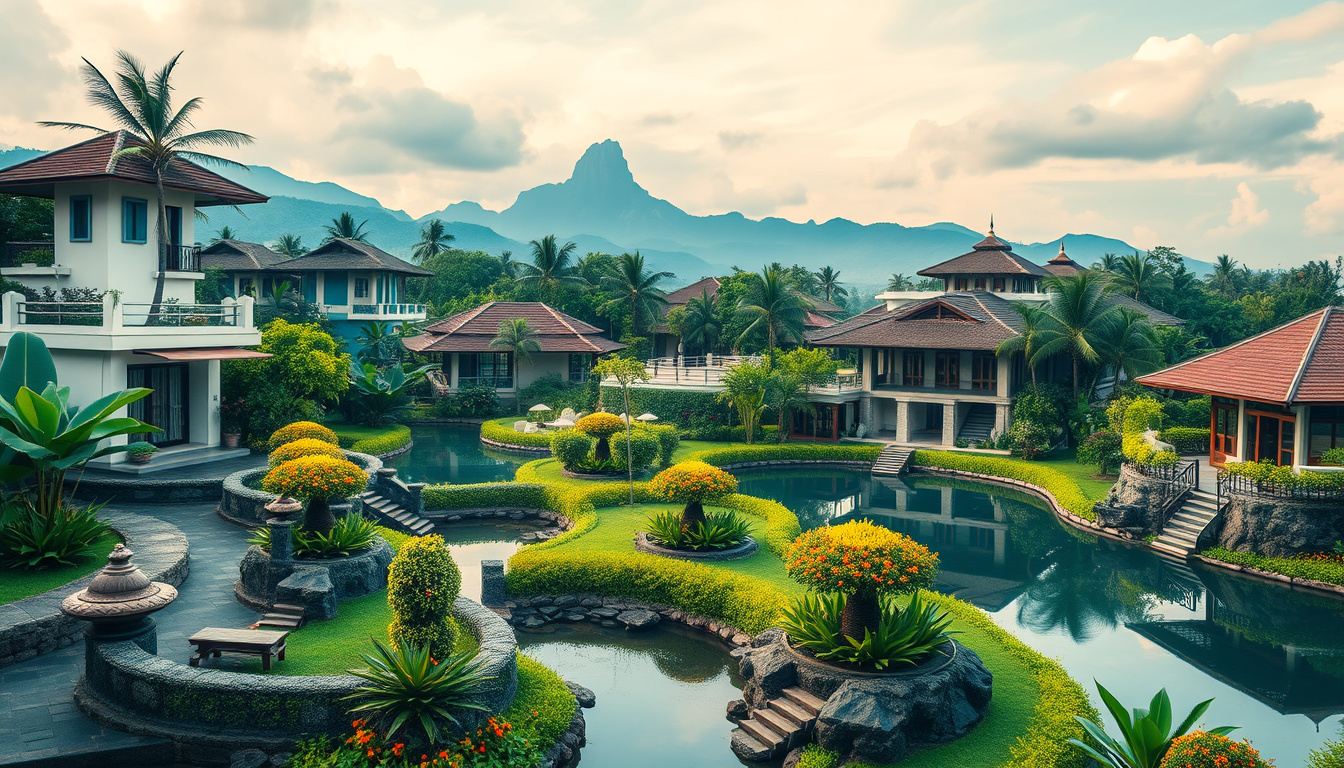




Tourists Beware: Bali’s New Crisis and Flooding May Ruin Your Vacation – Here’s What You Need to Know
Bali, renowned worldwide for its stunning landscapes and vibrant culture, has recently been grappling with severe challenges that impact both residents and the millions of tourists who flock to the island each year. In September 2025, intense flooding due to torrential rains has caused significant damage, including loss of life, displacement of communities, and disruptions in the island’s essential water distribution systems. This crisis poses new concerns for visitors planning their vacations to this tropical paradise.
Impact of Flooding on Bali’s Water Supply
Flooding is a recurrent issue in Bali, often worsened by the island’s rapid development and existing waste management problems. The recent floods, particularly in the Badung Regency—which includes popular destinations such as Canggu, Seminyak, Legian, and Kuta—have introduced large amounts of debris into local water treatment facilities. Wayan Suyasa, President Director of the Tirta Mangutama Regional Drinking Water Company, highlighted that plastic waste and other debris have clogged the filters and pumps at water treatment plants, causing interruptions in water services for both locals and tourists.
Due to these complications, residents and visitors are advised to avoid drinking tap water or using it for brushing teeth. Although the water distribution is gradually being restored, the scale of the flood damage means that water shortages persist, and the temporary reliance on water tankers does not suffice to serve all affected areas.
Environmental and Waste Management Challenges
Bali’s longstanding issues with waste management have been magnified by the flooding. Floodwaters carried massive amounts of plastic and other non-organic waste into rivers and drainage systems, severely obstructing waterways and treatment plants. NGOs like Sungai Watch have stepped in to address this crisis, mobilizing over 150 volunteers to clear debris from rivers such as the Tukad Badung in Denpasar, Bali’s capital. Their efforts have removed thousands of kilograms of plastic waste in just days, illustrating the vast scale of pollution the floods caused.
The problem is deeply rooted in the island’s rapid development, which has outpaced waste management infrastructure. Inadequate landfill space and insufficient processing resources have led to widespread illegal waste dumping into natural waterways. The resulting blockages have contributed to flash floods and damaged critical infrastructure, impacting the tourism-heavy regions of Bali most severely.
Calls for Sustainable Tourism and Improved Infrastructure
This environmental crisis has sparked urgent calls from local activists, influencers, and community leaders for sustained action on waste management and environmental protection. Well-known Balinese influencer northsidestory has advocated for better waste disposal practices and emphasized the role of tourists and locals alike in preserving Bali’s natural environment.
Experts and residents alike stress the importance of developing robust waste processing facilities, enhancing recycling programs, and enforcing stricter regulations on plastic usage. These moves are crucial to reducing pollution and safeguarding Bali’s water systems. As tourism remains a vital economic pillar for the island, balancing growth with sustainability is more critical than ever.
Moving Forward: Sustainability at the Forefront
Efforts such as the introduction of the Green Fee—a fund aimed at environmental preservation—and ongoing waste management initiatives represent initial steps toward long-term sustainability for Bali. The 2023 and 2025 floods have brought renewed urgency to these efforts.
Tourists are urged to stay informed about water safety guidelines and environmental responsibilities while visiting Bali. As the island adapts, a collaborative approach involving government bodies, local businesses, residents, and travelers is key to maintaining Bali’s ecological health and appeal as a top tourist destination.
By embracing sustainable tourism practices and prioritizing environmental stewardship, Bali can continue to welcome millions of visitors each year without compromising the natural beauty that makes it so beloved.
Travelers planning a trip to Bali should prepare accordingly by relying on bottled water for all consumption and hygiene needs and remain aware of local advisories. While the island recovers from these natural and infrastructural setbacks, conscientious tourism and community efforts will help ensure Bali’s destinations remain safe and enjoyable for all.



Add a comment