

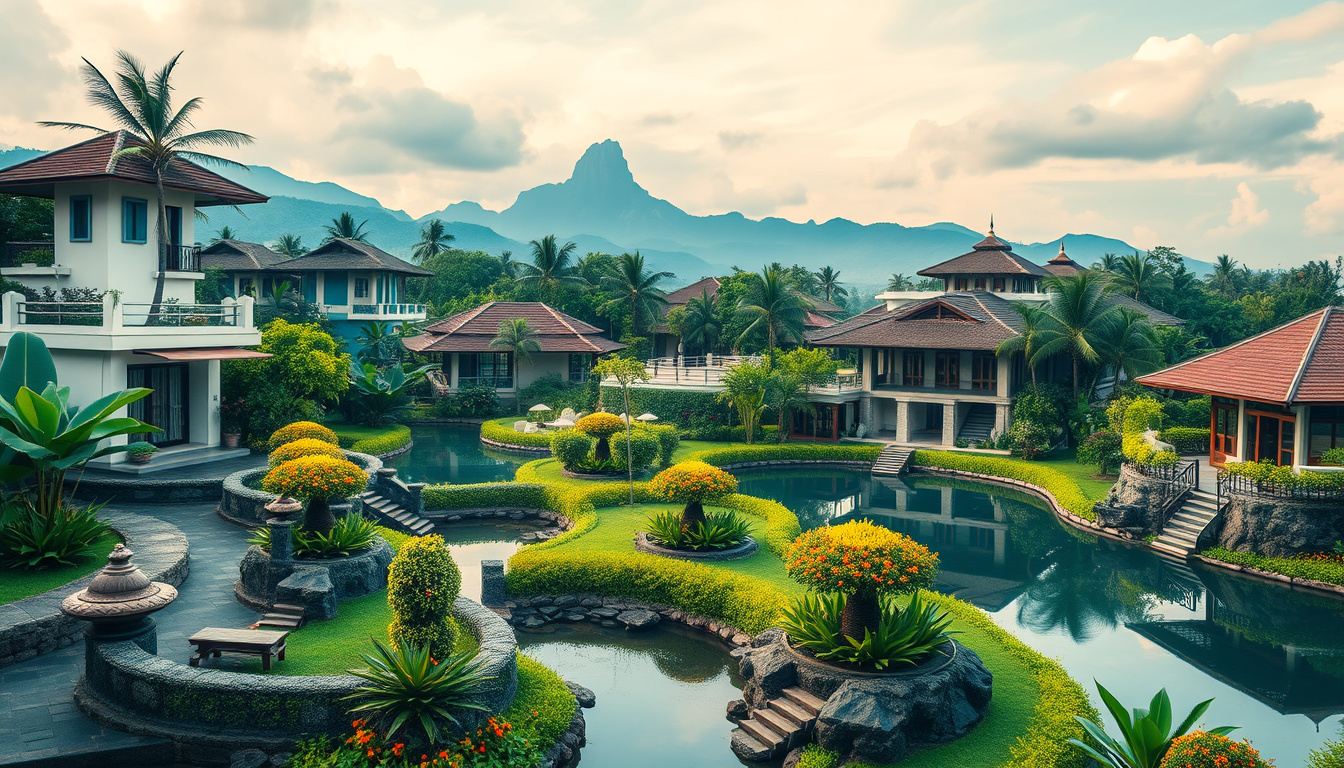




Bali to Halt New Hotel and Restaurant Developments Following Deadly Flooding
In response to devastating flash floods that claimed at least 18 lives and caused severe damage across Bali, the Indonesian government has announced a ban on constructing new hotels and restaurants on productive agricultural land, particularly rice fields, on the popular resort island.
Severe Flooding Triggers Emergency Declaration
On September 10, a state of emergency was declared in Bali after the island experienced its most severe flooding in over a decade. Triggered by intense rainfall, the floods inundated homes, public facilities, and vital infrastructure, affecting thousands of residents in Denpasar and surrounding areas.
The disaster has reignited concerns about the environmental impacts of rapid tourism-driven development on the island, especially on fertile rice paddies that are being converted into commercial properties.
New Rules to Align with Bali’s 100-Year Plan
Bali’s governor, Wayan Koster, announced new instructions aimed at halting the issuance of permits for hotels, restaurants, and similar commercial developments on agricultural land. Speaking on September 14, he outlined that starting this year, district and city leaders across Bali have been instructed to cease land conversions.
“After managing the current floods, we will convene again to ensure no permits are granted for developments on productive land, especially rice fields,” Koster stated, as reported by Indonesia’s state news agency, Antara. He added that from 2025 onward, land conversion bans will fully align with Bali’s 100-year plan, safeguarding productive farmland from further commercial development.
Tourism Growth Sparks Environmental Concerns
Famed for its lush rice terraces and pristine beaches, Bali has undergone dramatic transformation over the past 50 years. Rapid tourism development has brought economic growth, but also complaints about congested traffic, environmental pollution, and disruptive behavior from some visitors.
Previously, Indonesia announced a moratorium on new hotel developments to address fears of overdevelopment. However, that plan had not been implemented effectively. The new bylaws banning construction on agricultural lands are expected to take effect by the end of 2025. Climate Change and Overdevelopment Exacerbate Flood Risks
Environmental activists have long warned that unchecked mass tourism and land conversion exacerbate Bali’s vulnerability to natural disasters such as flooding. This year’s heavy rainfall and flooding were intensified by climate change, with Indonesia’s meteorology and climate agency forecasting an extreme rainy season.
Experts note that climate change leads to warmer air holding more water vapor, increasing the likelihood of heavier rainfall and flash floods. Additionally, deforestation and land misuse worsen the impact of flooding events.
Indonesia’s environmental minister, Hanif Faisal Nurofiq, emphasized the importance of the new regulations. “This is crucial for Bali’s tourism and environmental sustainability. The recent floods have drawn serious attention. I urged the governor to immediately stop land conversions,” he said.
A Step Toward Sustainable Tourism
The decision to halt new commercial construction on Bali’s productive land represents a significant move toward balancing tourism development with environmental preservation. As Bali grapples with climate challenges and growing pressures from tourism, these measures aim to protect both the island’s natural heritage and the well-being of its residents.
Bali’s recent flooding tragedy serves as a stark reminder of the need for sustainable land management and climate resilience in popular travel destinations worldwide. With the new policies in place, the island hopes to mitigate future disasters while preserving its iconic landscapes for generations to come.



Add a comment