

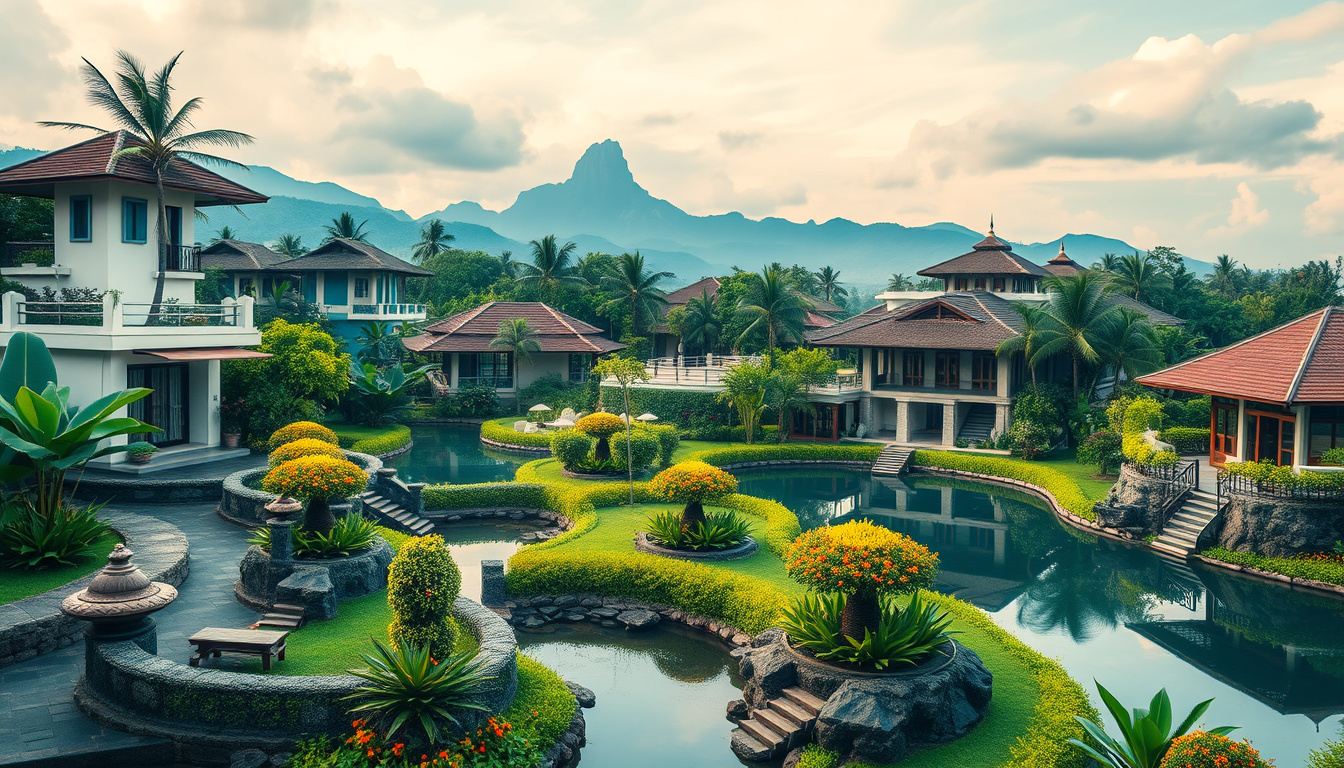




Bali to Halt New Hotels and Restaurants Following Deadly Flooding Amid Concerns Over Mass Tourism
In response to devastating flash floods that claimed at least 18 lives and caused widespread damage across the island, Bali’s provincial government announced a decisive policy shift to curb unchecked development. The Indonesian island, renowned globally for its scenic rice terraces and vibrant tourism industry, will now block the construction of new hotels and restaurants on productive agricultural land, particularly rice fields.
Severe Flooding Highlights Vulnerability
On 10 September 2025, Bali was struck by its worst flooding in over a decade, prompting a state of emergency declaration. Torrential rain overwhelmed drainage systems and riverbanks, inundating thousands of homes and critical infrastructure in Denpasar and surrounding areas. The flooding was triggered by unusually heavy rainfall and exacerbated by environmental factors linked to climate change.
Experts and environmental advocates have long cautioned that rapid mass tourism and aggressive land conversion contribute to Bali’s increasing vulnerability to natural disasters. The loss of rice paddies and green lungs to commercial resorts reduces the land’s ability to absorb heavy rainfall, intensifying flood risks.
Government Response and New Regulations
Bali Governor Wayan Koster outlined the new directives on 14 September, stating that strict measures to prevent further land conversion will be enforced within the year. “Starting this year, there is already an instruction to all district heads and mayors across Bali. Following flood management efforts, no new permits for hotels, restaurants, or commercial facilities on productive land — especially rice fields — will be granted,” he affirmed.
These regulations will align with Bali’s ambitious 100-year plan to preserve productive agricultural land. From 2025 onward, the governor emphasized, “No productive land can be converted into commercial facilities.” The bylaws are expected to be formalized and implemented by the end of the year.
Mass Tourism Under Scrutiny
Bali’s transformation from a lush, rural island to a bustling tourist hotspot has brought economic benefits but also environmental and social challenges. Locals and visitors alike have expressed frustration over the congestion, pollution, and behavioral issues associated with the tourism boom. The island’s famous rice fields have increasingly given way to sprawling resorts, hotels, and eateries catering to millions of tourists each year.
Indonesia had previously announced a moratorium on new hotel constructions due to concerns about overdevelopment, but the plan was never fully realized. This new directive marks a firmer stance aimed at better balancing tourism growth with environmental preservation.
Climate Change and Environmental Challenges
Indonesia’s meteorology and climate agency has warned of an active and potentially severe rainy season in 2025, contributing to the heightened flood risk. Additionally, a worsening waste management crisis is aggravating flooding, as refuse blocks waterways and drainage channels.
Scientists attribute the intensification of rainy seasons, including more severe flash floods, to climate change. Warmer air increases atmospheric moisture capacity, leading to heavier and more frequent rainfall events in regions like Indonesia. Combined with extensive deforestation and urbanization, these factors compound natural disaster vulnerabilities.
Environmental Minister Hanif Faisal Nurofiq praised the new regulations as a critical step for safeguarding Bali’s environment and tourism industry. “I have urged the governor to immediately halt land conversions. This action is essential given the serious attention the recent flooding has drawn,” he stated.
Looking Ahead
The policy shift in Bali reflects a growing recognition worldwide that sustainable land use and climate resilience must guide development, particularly in high-tourism regions susceptible to environmental hazards. As islands such as Bali face mounting pressures from climate change and mass tourism, measures to preserve natural landscapes and restrict detrimental development are crucial for protecting both livelihoods and ecosystems.
With new bylaws targeting preservation of productive land due to come into effect by the end of 2025, Bali hopes to stem the tide of overdevelopment and build a more resilient future for its residents and visitors alike.



Add a comment