

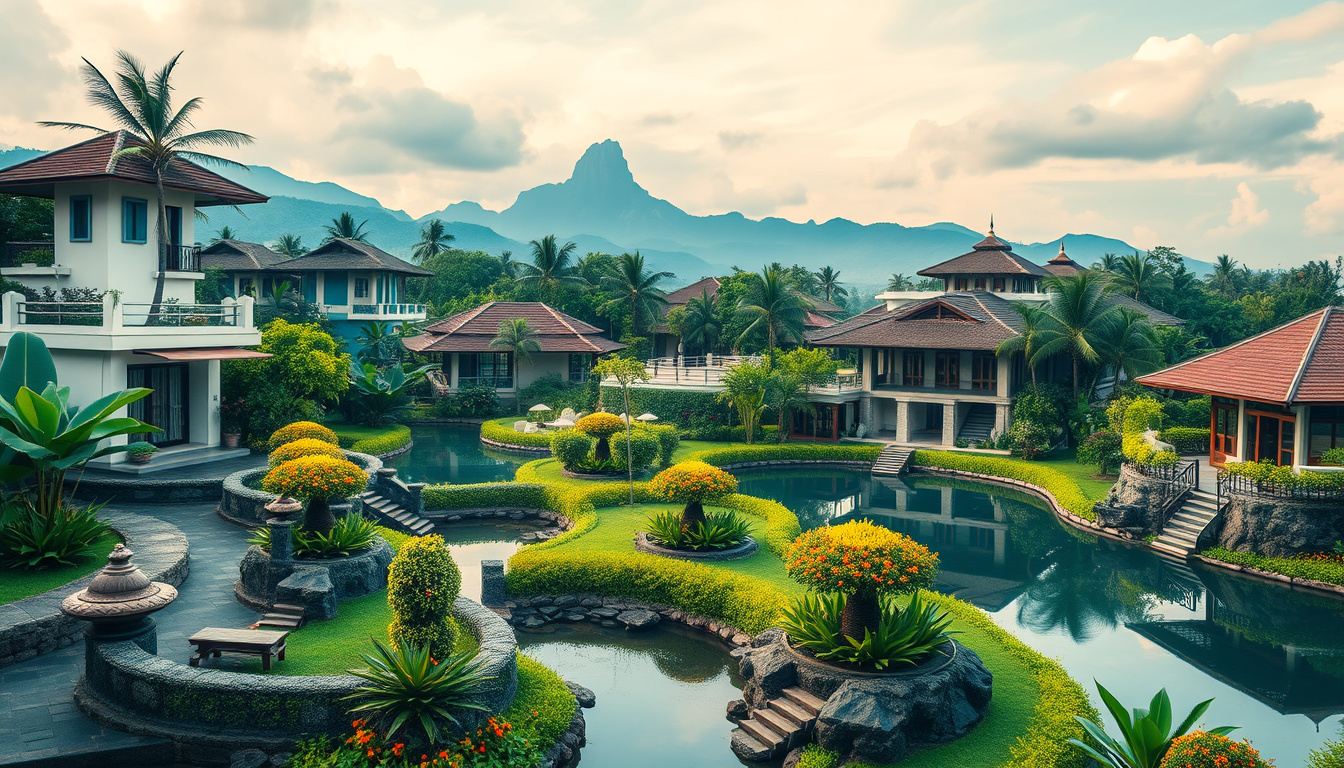




Discover Tabanan, Bali’s Hidden Gem: A New Chapter in Indonesia’s Tourism Development
As Bali continues to evolve as a premier travel destination, a fresh and compelling chapter emerges with the rising prominence of Tabanan Regency. Set to become one of the island’s most sought-after destinations in 2026, Tabanan offers travelers an opportunity to experience Bali’s authentic cultural heritage, stunning landscapes, and innovative sustainable tourism initiatives away from the bustling crowds typically found in southern Bali.
Traditionally overshadowed by regions like Badung, home to popular resort towns such as Uluwatu, Kuta, and Seminyak, Tabanan has remained a relatively under-the-radar locale. While these southern areas attract tourists seeking luxury accommodations, vibrant nightlife, and beach activities, growing numbers of discerning travelers are now seeking more tranquil destinations that offer a deeper connection with Bali’s roots. Tabanan fits this niche perfectly, emerging as a key destination for those craving mindful and responsible travel.
The Rising Appeal of Tabanan Regency
Known primarily for iconic landmarks like Tanah Lot Temple and the UNESCO-listed Jatiluwih Rice Terraces, Tabanan has historically been treated as a brief stopover. Visitors frequently explored these highlights before returning to the island’s busy resort hubs. However, a strategic shift is underway: Tabanan is actively repositioning itself as a multi-day destination that showcases not only its famed sites but also its authentic villages and local experiences.
Tourism authorities in the region are working proactively to illuminate Tabanan’s cultural richness and natural beauty. The goal is to encourage longer visits that immerse tourists in daily village life and traditional Balinese culture. Central to this vision is an emphasis on sustainable tourism practices that benefit local communities while preserving the environment, helping to balance tourism’s economic benefits more evenly across Bali instead of concentrating them in already crowded southern areas.
Sustainable Tourism Villages: A Major Focus for 2026
A cornerstone of Tabanan’s tourism development strategy is the enhancement of its official tourism villages. With 35 designated villages across the regency, many remain underdeveloped and unknown to international travelers. These villages aim to provide culturally authentic experiences while boosting local economies and fostering environmental sustainability.
Ongoing initiatives are expanding tourism programs in both well-established and emerging villages, emphasizing respectful engagement with local customs, agriculture, and handicrafts. This approach not only enriches the visitor experience but also helps mitigate the environmental and social impacts commonly associated with mass tourism.
Local tourism officials are dedicated to broadening the reach and visibility of these villages to attract domestically and internationally conscious travelers. Promoting traditional Balinese activities such as rice farming, arts, and trekking across the lush tropical landscapes is expected to elevate Tabanan’s appeal on the tourism map.
Cultural and Natural Attractions Abound
Beyond its village offerings, Tabanan boasts a wealth of cultural and natural attractions that provide an authentic taste of Bali. The revered Tanah Lot Temple draws visitors keen to witness breathtaking sunsets over the Indian Ocean, while the Jatiluwih Rice Terraces, recognized as a UNESCO World Heritage site, offer a spectacular setting to explore Bali’s agricultural heritage.
The regency also features diverse trekking trails, scenic waterfalls, and natural hot springs. The Alas Kedaton Monkey Forest presents an enchanting opportunity to observe native wildlife in a serene forest setting. Collectively, these attractions offer a peaceful and cultural counterpoint to the island’s more commercialized resort areas.
Looking Ahead: Tabanan’s Tourism Future
With ongoing investments in infrastructure and tourism promotion, officials are optimistic that Tabanan will soon rival more established destinations on the global stage. Strategic marketing campaigns are emphasizing the region’s sustainable tourism ethos and cultural heritage, positioning Tabanan as an ideal destination for travelers seeking genuine Balinese experiences away from the crowds.
Collaboration with local communities and academic institutions is playing a vital role in this vision. Universities are being tapped to support the sustainable development and management of tourism villages, ensuring their long-term viability and positive impact.
Where to Stay in Tabanan
To complement its growing tourism offerings, Tabanan features several eco-friendly accommodations that prioritize sustainability and harmony with nature. Notable options include the Ulaman Eco Luxury Retreat, Nuno Bali Eco-Friendly Retreat, and KusFarm Bali. These lodgings provide a tranquil base for visitors eager to explore Tabanan’s terraced rice fields, waterfalls, and cultural sites.
Conclusion
As Bali’s tourism landscape diversifies, Tabanan Regency is steadily gaining recognition as a must-visit locale for 2026. Its commitment to sustainable tourism, preservation of cultural traditions, and natural beauty position it as a peaceful and enriching alternative to the island’s established hotspots. For travelers looking to discover Bali’s heart and soul, Tabanan offers an inviting invitation to experience the island’s hidden gem in the coming year.



Add a comment