




Nusa Penida’s Rising Popularity Raises Questions About Sustainable Tourism
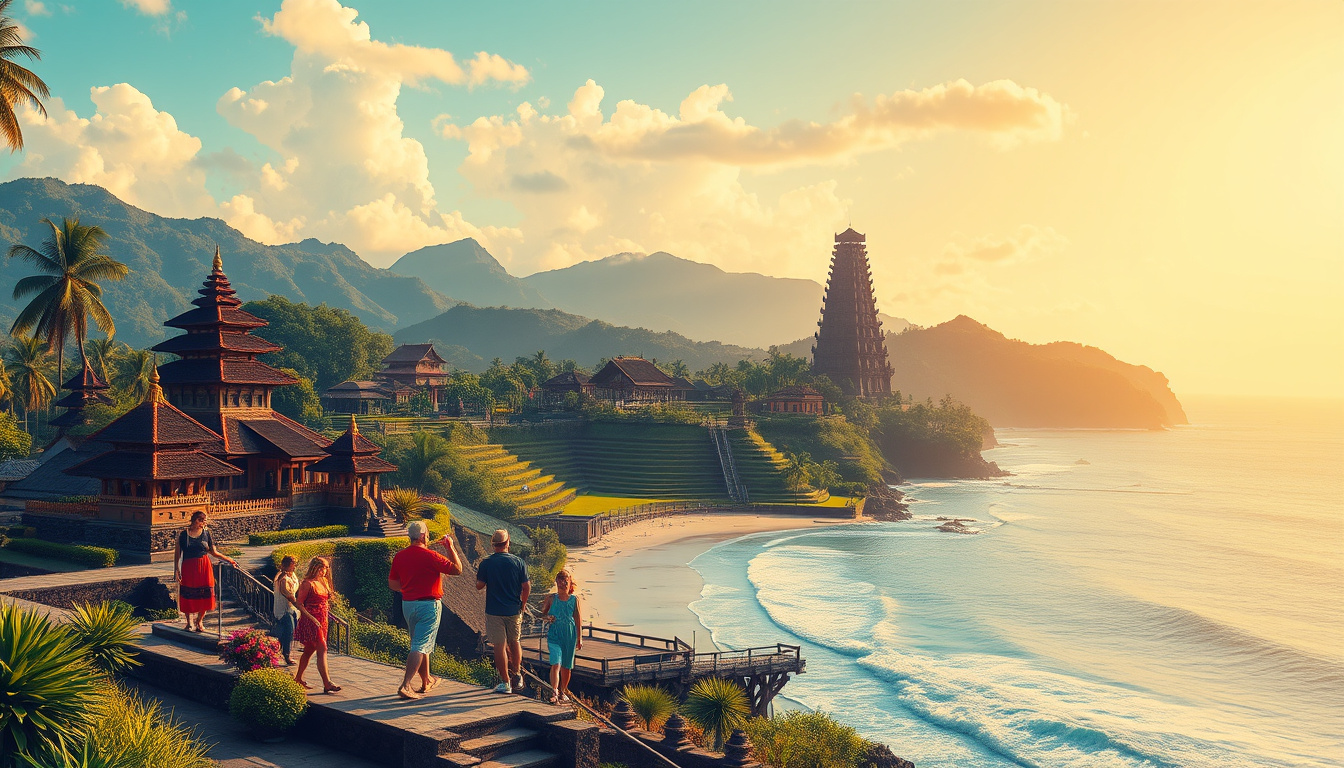
Nusa Penida, a small island located just off the coast of Bali, has become one of Asia’s most sought-after travel destinations. Known for its breathtaking coastal landscapes and pristine beaches, the island has seen a remarkable surge in visitor numbers over the past 15 years. From humble beginnings as a quiet community of fishermen and seaweed farmers, Nusa Penida’s transformation into a hotspot for tourists has been swift and striking.
From Hidden Gem to Social Media Sensation
Initially popular among backpackers and adventurous travelers seeking less crowded alternatives to Bali, Nusa Penida’s allure expanded rapidly with the rise of social media. Iconic spots such as Kelingking Beach and Diamond Beach gained international fame through travel influencers and viral posts, drawing ever-growing crowds eager to experience the island’s natural beauty firsthand.
Despite the continued charm of everyday island life, the fast-paced tourism development has raised mounting concerns about environmental sustainability and the impact on the local community.
The Controversial Nusa Penida Glass Elevator Project
One of the most debated developments is the construction of the Nusa Penida Glass Elevator, a 182-meter structure designed to transport visitors from the clifftop down to Kelingking Beach. The elevator aims to provide safe and easy access to the beach by replacing a dangerous coastal hiking trail, with plans to include 2-3 viewing balcony stops along the cliffside.
Construction officially began in June 2024, led by a partnership between Karang Dawa Traditional Banjar in Bunga Mekar Village and Chinese investment company PT Bina Nusa Properti (PT BNP). While intended to improve visitor safety and accessibility, the project has altered the signature panoramic views of the clifftop, with cranes and heavy machinery currently dominating the landscape. Tourists now have to find specific angles to capture photos that avoid the construction equipment, somewhat diminishing the iconic vista.
Bali’s Tourism Office Head, Tjok Bagus Pemayun, emphasized the need for strict regulatory oversight to ensure the development adheres to legal and environmental standards. “We hope that the Klungkung Regency Government will closely monitor the glass elevator construction process to ensure it follows applicable regulations,” he said, also highlighting the importance of preserving Bali’s image.
Rapid Development Spurs Regulatory and Environmental Concerns
Beyond the glass elevator, concerns extend to the broader scale of tourism-related construction across Nusa Penida. In Ped Village, the island’s main tourism hub, recent inspections uncovered several tourist villas built without proper permits from local and provincial authorities. These developments raise questions about spatial planning, legal compliance, and the long-term sustainability of unregulated growth.
Regent of Klungkung, Made Satria, acknowledged these challenges and reassured the public that authorities are actively working to manage development responsibly. “We continue to re-data all accommodation businesses, including licensed and unlicensed homestays. Field inspections are underway to identify unlicensed operations, and we offer assistance to those who qualify to obtain the necessary permits,” he stated. Satria emphasized prioritizing local interests and environmental protection as central to the island’s ongoing development.
Balancing Tourism Growth with Sustainability
As Nusa Penida continues to attract tourists worldwide, balancing the economic benefits of travel with the preservation of its natural and cultural heritage remains a pressing issue. The island’s future depends on careful management, community involvement, and adherence to sustainable development principles to ensure that its unique landscapes and traditions endure for generations to come.
Visitors and stakeholders alike watch closely as Nusa Penida navigates these challenges, hoping the island’s paradise-like charm will not be diminished by unchecked tourism expansion.



Add a comment