

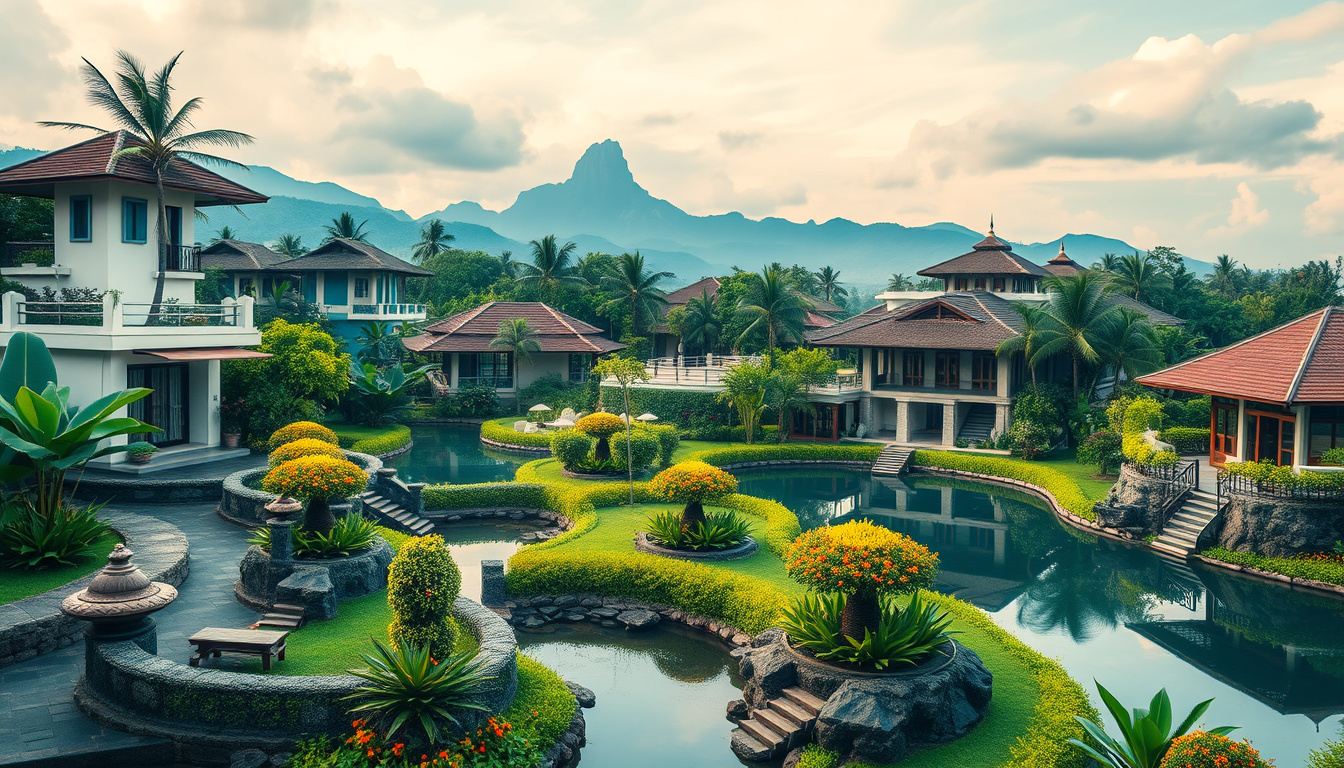




Thailand, US, Vietnam Highlight Indonesia’s Bali Tourism Overload Amid Untapped Island Treasures
As Bali faces increasing challenges related to overtourism, international observers from Thailand, the United States, and Vietnam have drawn attention to the stark contrast within Indonesia’s tourism landscape. While Bali, the country’s most famous island, grapples with overcrowding, traffic congestion, and environmental strain, Indonesia’s other exquisite islands remain largely unexplored, representing significant opportunities for future tourism development.
Bali’s Tourism Boom and Growing Pains
Bali’s dramatic post-pandemic tourism revival underscores its position as Indonesia’s premier international destination. Bolstered by global visibility from pop culture references such as the 2010 film Eat, Pray, Love, Bali attracted nearly half of Indonesia’s 13.9 million foreign visitors in 2024. This influx has transformed the island from a tranquil, predominantly Hindu community into a bustling international hotspot that caters to a diverse range of visitors.
However, this popularity has brought notable difficulties. Traffic jams, especially in areas like Canggu, have become emblematic of the island’s growing congestion. Environmental concerns are mounting, with plastic waste accumulations and significant freshwater resources diverted to accommodate the luxury resort industry, impacting local communities. Encroachment of villa development on Bali’s iconic terraced rice fields threatens the island’s cultural heritage, and sacred Hindu temples face increasing pressure from construction activities.
Economically, Bali’s growth is slowing. After rapid expansion post-pandemic, the economic growth rate eased to 5.5% in 2024 from 5.7% in the previous year. Moreover, international visitor spending is declining, particularly with Chinese tourists—a traditionally high-spending group—currently at about one-third of their 2019 numbers.
Despite ambitious plans to diversify Bali’s tourism offerings—such as developing wellness tourism and establishing medical tourism zones projected to generate over US$33 billion by 2052—the island’s economic benefits have yet to be fully realized. The concentration of infrastructure investment and government attention on Bali has inadvertently highlighted its limitations.
Indonesia’s Hidden Island Gems Await Development
Beyond Bali lies an archipelago of more than 17,000 islands, many boasting pristine natural landscapes and unique cultural experiences. Yet, these regions remain underdeveloped and disconnected from the country’s tourism mainstream.
-
Seram Island: Ora Beach on Seram Island offers untouched turquoise waters framed by towering limestone cliffs and dense tropical forests. The area remains free from mass tourism, with no crowds or commercial exploitation. However, reaching Seram is a significant challenge, involving multiple flights, a ferry ride, and car travel amounting to nearly seven hours, with limited and often unsafe ferry services.
-
Lake Toba: Home to the world’s largest volcanic lake and the picturesque Samosir Island, Lake Toba provides breathtaking vistas and growing but still modest tourism activity. Infrastructure is increasing with new hotel openings and events like the F1H2O Powerboat World Championship. Yet, international flights are absent, limiting ease of access.
-
Raja Ampat: Known globally for having the richest coral reef biodiversity, Raja Ampat’s remote location restricts visitor numbers despite its stunning natural attractions.
These destinations offer Indonesia an opportunity to alleviate overtourism pressures on Bali by promoting sustainable and diversified tourism. However, efforts to create “new Balis” through coordinated development have been slow and fragmented. Inter-ministerial and local government coordination challenges have hindered infrastructure expansion and connectivity projects, leaving many promising locations underutilized.
Regional Comparisons and the Path Forward
Neighboring countries like Thailand and Vietnam are advancing their tourism sectors with multiple viable beach destinations and substantial infrastructure investments. Thailand’s varied coastal regions and Vietnam’s northern attractions such as Ha Long Bay provide diverse experiences to visitors. Vietnam’s Phu Quoc Island is undergoing significant infrastructure expansion ahead of hosting APEC 2027, including airport upgrades designed to accommodate millions of passengers annually.
Indonesia’s current lag in transportation infrastructure and connectivity risks losing competitiveness in the rapidly growing Southeast Asian tourism market. Observers urge the Indonesian government to balance investment between Bali and other islands, fostering infrastructure improvements and connectivity to unlock the potential of hidden gems.
Conclusion
Indonesia’s tourism sector faces a pivotal moment. Bali continues to shine as a global brand yet struggles with the burdens of overtourism and infrastructural strain. Meanwhile, a wealth of less-known but equally stunning destinations like Seram, Lake Toba, and Raja Ampat remain off the beaten path, awaiting sustainable development and discovery.
For Indonesia to achieve balanced and sustainable tourism growth, strategic investments must focus on expanding infrastructure, enhancing accessibility, and diversifying tourism appeal beyond Bali. Such steps will allow the nation’s hidden islands to emerge as compelling travel destinations alongside Bali’s established allure, benefiting local communities and preserving the natural and cultural heritage of these paradisiacal locales.



Add a comment