




Thailand, US, Vietnam Spotlight Indonesia’s Tourism Imbalance: Bali Overcrowded While Hidden Islands Await Exploration
August 18, 2025 — As global tourism recovers post-pandemic, a critical divergence is emerging in Indonesia’s travel landscape. International observers from Thailand, the United States, and Vietnam have drawn attention to the severe overcrowding affecting Bali, Indonesia’s most famed tourist destination, while the country’s other stunning islands remain largely underdeveloped and hidden from the world.
Bali’s Tourism Overload
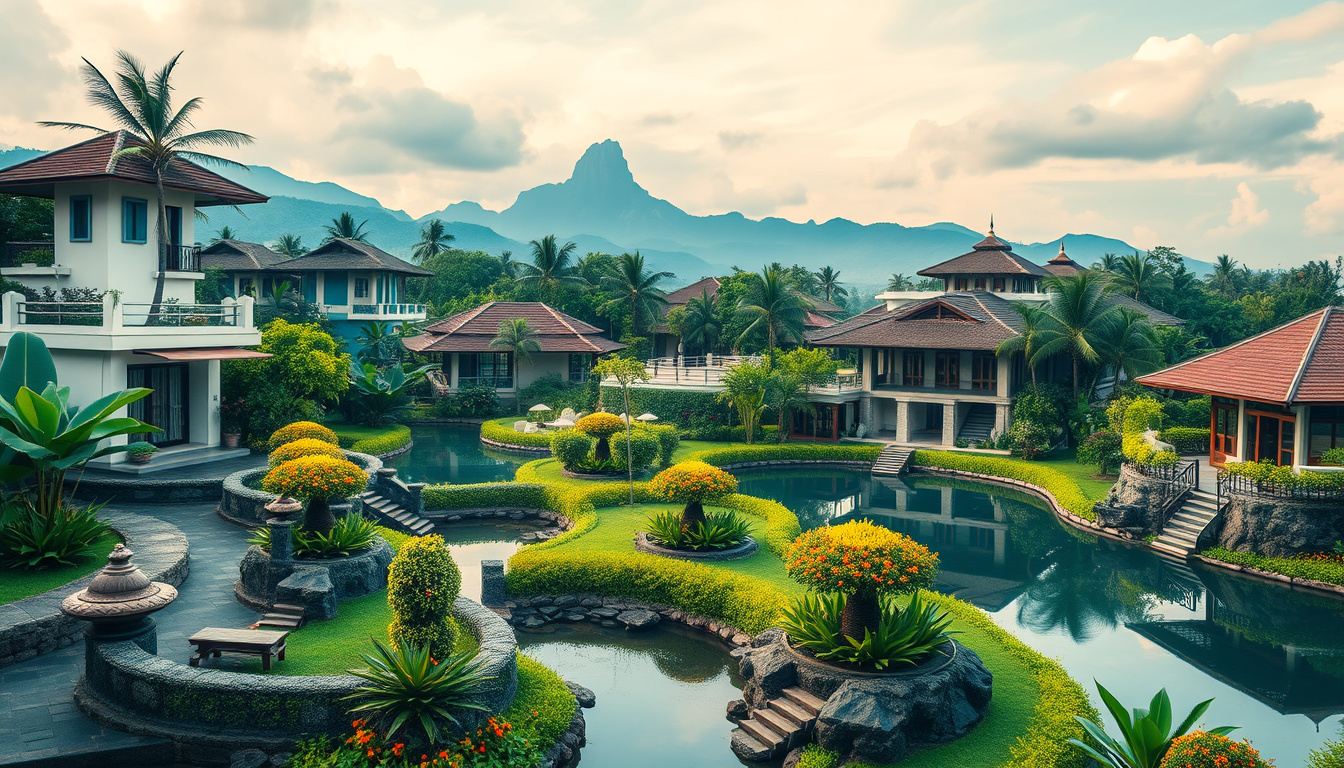
Bali, long celebrated for its scenic beaches, cultural heritage, and vibrant tourism scene, is now grappling with the consequences of overtourism. Visitors to this Indonesian island face traffic congestion that snarls around ancient temples, a cacophony created by incessant motorbike traffic, and growing environmental concerns including plastic pollution. Popular tourist districts, such as Canggu, have become notorious for traffic jams reminiscent of the capital city Jakarta’s challenges.
Once a peaceful agricultural and spiritual hub predominated by Hindu culture, Bali’s transformation into a bustling tourism hotspot has strained its infrastructure and environment. High-end villa development encroaches on terraced rice fields, iconic of Bali’s countryside, while the island’s freshwater resources are heavily diverted to resorts and luxury pools, leaving local villages increasingly dependent on limited groundwater supplies.
Government Focus and Economic Impact
Indonesia’s government has deliberately emphasized Bali as the pivot for post-COVID tourism recovery, owing to its global recognition and established visitor base. In 2024, Bali accounted for nearly half of Indonesia’s 13.9 million foreign arrivals. The government promotes the island not only as a leisure destination but also as a medical tourism hub, covering services from cosmetic surgery to neonatal care, with projections estimating tourism-related economic zones on the island could generate upwards of US$33 billion by 2052. Despite this ambition, Bali’s economic growth has shown signs of slowing. In 2024, economic expansion fell to 5.5% from 5.7% the previous year, compounded by reduced international spending and the continuing absence of pre-pandemic visitor numbers from China, traditionally among the highest spenders.
Contrasting Destinations: Gems Beyond Bali
While Bali faces the challenges of mass tourism, many of Indonesia’s other islands remain pristine and largely undiscovered by international visitors. Seram Island, for instance, offers untouched turquoise waters near Ora Beach, surrounded by towering limestone cliffs and dense tropical vegetation, an idyllic setting absent of commercial tourism.
Similarly, Lake Toba, the world’s largest volcanic lake located on Sumatra, features tranquil waters and panoramic views from Samosir Island. Although recent infrastructure improvements and international events like the upcoming F1H2O Powerboat World Championship aim to boost tourism, international flight connections remain absent, limiting visitor growth.
Raja Ampat, famed for its extraordinary marine biodiversity with over 1,500 islands and some of the world’s most diverse coral reefs, similarly suffers from limited accessibility, restricting its potential as a major travel destination.
Challenges in Diversification and Connectivity
Indonesia’s archipelagic geography, comprising more than 17,000 islands, presents both an opportunity and a logistical challenge. Efforts to develop “ten new Balis” — alternative tourism hubs across the nation — have largely stalled due to poor coordination between government ministries and regional authorities. Transportation infrastructure remains inadequate, with limited, overcrowded, and sometimes unsafe ferry services hindering access to remote areas such as Seram. The tourism ministry has notably kept a low profile on these initiatives, contributing to a lag relative to neighboring countries.
Regional Competitors Surge Ahead
Countries like Thailand and Vietnam have diversified their tourism offerings successfully. Thailand’s multiple renowned beach destinations, including Phuket, Koh Samui, and Krabi, see sustained visitation. Vietnam is actively expanding infrastructure, notably on Phu Quoc Island, where upcoming projects will enable the airport to handle up to 50 million passengers by 2050 in preparation for the APEC summit in 2027. This regional progress underscores the urgency for Indonesia to invest in connectivity, infrastructure, and sustainable tourism across its lesser-known islands to prevent over-concentration in Bali and to capitalize on the nation’s full natural and cultural wealth.
Looking Ahead: Sustainable Growth and Balanced Development
The current state of Indonesia’s tourism reflects a stark contrast: Bali’s overflowing popularity and environmental strain versus the serene and untapped allure of islands such as Seram, Lake Toba, and Raja Ampat. Experts and observers emphasize the need for comprehensive strategic planning, strengthened intergovernmental cooperation, and infrastructure development to distribute tourist flows more evenly.
By broadening its focus, Indonesia can not only alleviate the pressures on Bali but also unlock the potential of its hidden gems, promoting sustainable growth that preserves the environment, enhances local communities, and enriches the visitor experience for years to come.



Add a comment