

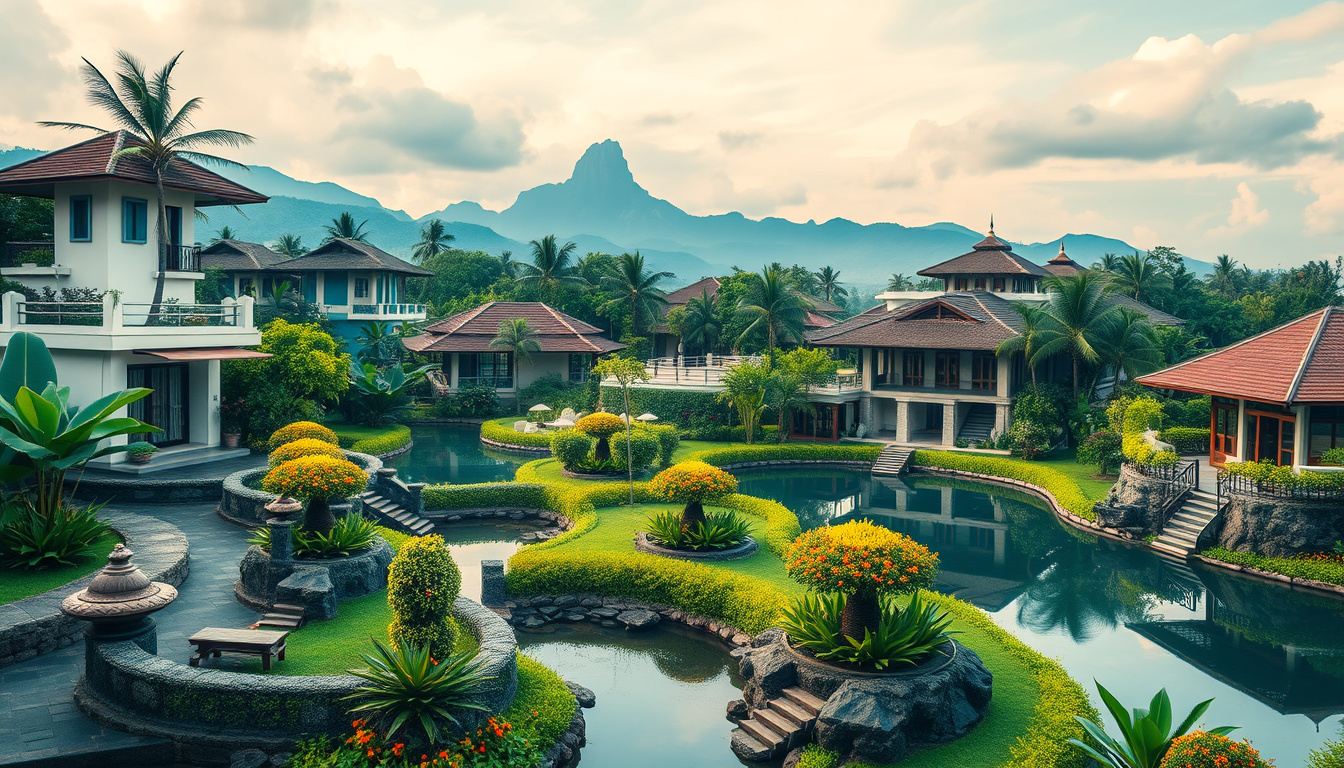




Tourism with a Purpose: Bali’s Commitment to Regenerative Travel and Sustainable Tourism
Bali, Indonesia’s famed island paradise, is making significant strides in reshaping its tourism industry through a pioneering approach known as regenerative tourism. With global interest in Bali surging alongside concerns about overtourism, pollution, and cultural erosion, local and national authorities have pledged to position Bali as the pilot destination for regenerative travel, aiming to leave the island’s ecosystems, communities, and culture stronger and more vibrant after every visit.
What Is Regenerative Tourism?
Unlike conventional sustainable tourism—which primarily focuses on reducing the negative impacts of travel—regenerative tourism takes a more proactive stance. This innovative approach seeks to deliver a net positive effect on the environment and local communities. Instead of merely minimizing harm, regenerative tourism actively restores natural ecosystems, uplifts cultural heritage, and improves livelihoods. Travelers become active participants in conservation, cultural preservation, and sustainable development efforts, transforming tourism into a powerful force for good.
In Bali, this translates into hands-on opportunities for visitors to engage directly with the environment and local society. Tourists can assist in reforestation projects by planting trees in Bali’s rainforests, help rehabilitate coral reefs, and join community-led initiatives focused on waste reduction and sustainable living. The objective is clear: tourism should not only avoid environmental or cultural damage but should contribute positively to the island’s future.
Bali’s Leading Role in the National Regenerative Tourism Vision
Recognized by Indonesia’s Ministry of Tourism as a key player in the nation’s regenerative tourism agenda, Bali is tackling the challenges brought by overtourism in popular areas such as Ubud, Kuta, and Seminyak. The island aims to craft a tourism experience that respects and preserves its delicate ecosystems, rich cultural traditions, and the daily lives of its residents.
Bali’s renowned natural beauty—including its pristine beaches, ancient Hindu temples, lush rice terraces, and dynamic arts scene—makes it an ideal setting for nurturing regenerative tourism. Existing eco-friendly accommodations, wellness retreats, and cultural tours already contribute to environmental protection and local economic empowerment. The island’s renewed focus on regenerative practices promises to enhance these initiatives, ensuring that Bali remains a destination that welcomes travelers while safeguarding its cultural and natural heritage for generations to come.
The Wonderful Indonesia Campaign: Promoting Regenerative Tourism Worldwide
To promote regenerative tourism on a global scale, the Indonesian Ministry of Tourism has launched the #KeepTheWonder campaign. This nationwide initiative encourages all visitors, domestic and international alike, to adopt sustainable travel habits that help protect the environment and honor local cultures.
Through the campaign, tourists are urged to support local businesses by purchasing handicrafts, choosing eco-conscious tour providers, and participating in conservation projects during their stay. The #KeepTheWonder campaign highlights Indonesia’s breathtaking landscapes and cultural richness, transforming tourism into an act of giving back rather than mere consumption. By inspiring travelers to shift their mindset, the campaign facilitates a more meaningful and responsible form of tourism.
Benefits for Bali’s Communities and Environment
Embracing regenerative tourism offers considerable benefits to Bali’s people and natural surroundings. As more visitors opt for regenerative experiences, their spending flows directly into local economies, supporting artisans, farmers, and family-owned enterprises. Buying locally made crafts, dining on regionally sourced cuisine, and staying at small guesthouses ensure that tourism dollars remain within communities, fostering a fairer distribution of income and uplifting livelihoods.
Simultaneously, regenerative tourism fosters environmental recovery. Visitors engage in activities such as beach clean-ups, tree planting, and organic farming workshops. These participatory experiences enable travelers to leave the island in a better state than they found it. Through collaborative efforts to restore coral reefs, forests, and waterways, both tourists and residents contribute to the long-term vitality of Bali’s natural environment.
Advancing Regenerative Tourism on the Global Stage
Bali’s push towards regenerative tourism is influencing the broader Indonesian tourism strategy. The Ministry of Tourism collaborates closely with tour operators and travel agents worldwide to spotlight Indonesia’s destinations, including Bali, as premier choices for environmentally and socially conscious travelers.
This collaboration involves organizing workshops, digital marketing campaigns, and participation in international travel fairs. These efforts educate stakeholders on how tourism can contribute positively by promoting responsible travel behaviors such as giving back to communities, supporting local economies, and embracing eco-friendly services. Marketing efforts now feature immersive activities that allow visitors to experience Bali’s environment and culture while minimizing their ecological footprint.
Memorable, Impactful Experiences for Visitors
Bali’s regenerative tourism model offers travelers meaningful ways to contribute to the island’s recovery:
- Eco-Tours: Guided excursions introduce visitors to organic rice paddies, wildlife rescue centers, and eco-resorts powered by renewable energy sources like solar and wind.
- Volunteering Opportunities: Tourists can participate in beach clean-ups, mangrove planting, and coral reef restoration with local conservation groups.
- Cultural Engagement: Guests may join family-run workshops to craft traditional offering baskets called canang sari, learn to play the Balinese gamelan orchestra, or attend ceremonial dances, providing fair compensation directly to local artisans.
By engaging in these activities, visitors do more than photograph scenic views—they leave an enduring legacy of care that strengthens Bali’s environment and cultural fabric.
Conclusion: Bali as a Beacon for Regenerative Tourism
Bali’s shift toward regenerative tourism marks a strong commitment to sustainable development in one of the world’s most beloved travel destinations. Facing increasing visitor numbers, the island has embraced eco-friendly policies and programs that protect its culture and environment. With initiatives like the Wonderful Indonesia campaign and a focus on restorative tourism practices, Bali is becoming a model for how destinations can balance tourism growth with preservation.
For travelers seeking vacations that make a positive difference, Bali offers rich opportunities to contribute, from planting trees and supporting local artisans to dining on fresh, organic produce. Each visitor’s actions help local communities prosper and ensure that Bali’s natural beauty and vibrant traditions endure for the enjoyment of future generations.



Add a comment