


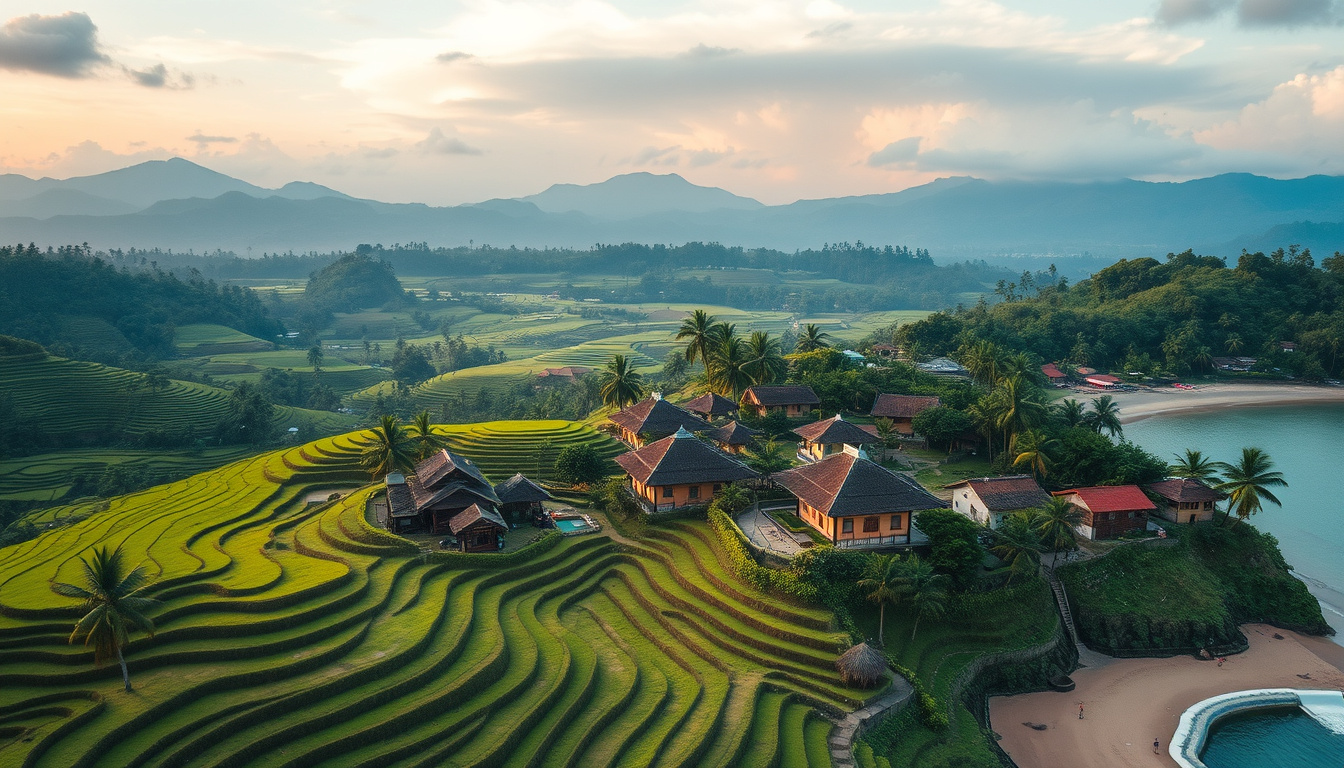





Indonesia Highlights Five Key Tourism Destinations at Risk from Potential Megathrust Earthquake, Including Bali
Indonesia, positioned along the volatile Pacific Ring of Fire, is home to a multitude of active volcanoes and is highly susceptible to seismic events such as earthquakes and tsunamis. Among its renowned locales, Bali is particularly notable, hosting two active volcanoes—Mount Agung and Mount Batur—that attract many tourists eager to explore their rugged terrain. However, recent developments have raised concerns about Indonesia’s vulnerability to significant natural disasters, including megathrust earthquakes that could severely impact popular tourism destinations.
Rising Seismic and Volcanic Activity
In recent months, Indonesia has experienced increased volcanic and seismic activity affecting several provinces, with effects felt both nationally and internationally. Notably, Mount Lewotobi Laki Laki in the Flores Islands has been erupting intermittently since November 2024, causing substantial travel disruptions. Bali’s international airport, I Gusti Ngurah Rai, witnessed multiple flight delays and cancellations, including 18 flight disruptions reported on July 7, 2025, impacting routes to countries such as Australia, South Korea, Singapore, and China. Aviation authorities have advised travelers to verify schedules and arrive early to accommodate potential delays.
East Java, in proximity to Bali, has also seen heightened volcanic activity with eruptions from Mount Semeru and Mount Ruang. These events prompted local Disaster Management Agencies to restrict public access to these areas in the interest of safety.
The Threat of a Megathrust Earthquake
Indonesia is situated on five active tectonic plate boundaries: the Sumatran Megathrust, Java Megathrust, Banda Megathrust, Northern Sulawesi Thrust, and Philippine Thrust. These zones contain sixteen active seismic regions capable of generating major earthquakes and subsequent tsunamis. The possibility of a megathrust earthquake originating from the Nanaki seismic gap near Japan’s eastern coast has also been recognized as a significant threat with potential transoceanic impacts.
Experts warn that a powerful earthquake along the Nankai megathrust in Japan could trigger a tsunami reaching Indonesian shores, presenting risks exceeding those seen during the 2004 Boxing Day Tsunami—the disaster that devastated Aceh Province and affected popular tourist destinations including parts of Bali, Thailand, and Sri Lanka.
Five Tourism Destinations at Risk
The Indonesian Disaster Management Agency has identified five principal tourism destinations at risk from megathrust-induced earthquakes and tsunamis: the Mentawai Islands in West Sumatra, Yogyakarta Province, Lombok Island, Bali Province, and Sulawesi. These areas are vital to Indonesia’s tourism sector, underscoring the need for robust disaster preparedness and mitigation strategies.
Preparedness and Mitigation Efforts
Authorities emphasize the importance of tourism stakeholders understanding disaster risks and implementing comprehensive safety measures. The Head of the Indonesian Meteorology, Climatology, and Geophysics Agency’s Earthquake and Tsunami Center highlighted the necessity for effective evacuation plans, clear signage, and regular safety drills in tourism venues. Additionally, there is a call for increased educational efforts to raise awareness among both locals and tourists on natural disaster preparedness to reduce panic in emergency situations.
Tourists are advised to familiarize themselves with local emergency protocols upon arrival at their destinations, maintain situational awareness, and ensure their travel insurance covers natural disasters. Hotels and accommodations are encouraged to actively communicate evacuation routes and safety procedures to their guests.
Conclusion
As Indonesia continues to monitor geological activity closely and develop precautionary measures, the collaboration between authorities, tourism operators, and visitors remains critical. Understanding the risks posed by the country’s dynamic natural environment is essential to safeguarding lives and preserving Indonesia’s cherished tourism industry amid the ongoing potential threats posed by megathrust earthquakes and associated natural disasters.



Add a comment