







Rising Crime in Bali Sparks Concerns Over Changing Tourist Demographics
Bali, Indonesia — The tranquil island paradise of Bali is grappling with a surge in crime that has left residents questioning whether the tourists visiting the island are contributing to a decline in safety and community wellbeing. Since the Covid-19 pandemic, locals have observed a shift in the profile of visitors, with an increasing influx of low-budget backpackers, digital nomads, and long-term expatriates whose presence has coincided with a rise in criminal activity.
Changing Tourist Demographics and Increasing Crime
Bali’s politician Agung Bagus Pratiksa Linggih has highlighted the growing number of long-term visitors who often take advantage of illegal homestays. “The quality of tourists coming to Bali is decreasing,” he said, expressing concerns that inadequate regulation and infrastructure struggles are allowing low-budget foreigners to stay longer, fostering conditions for crime to flourish.
Local business owners echo similar sentiments. Paul Werner, who operates PaD Bar and Grill in Kuta and has lived in Bali for a decade, noted that the influx of tourists with more disposable income post-pandemic has brought an increase in disorderly behavior. “Crime generally follows where the tourists are going. It is mainly a lot of drunk westerners not knowing how to level out their alcohol and fighting over nothing,” Werner said. He posed an unsettling question: “Is crime here getting worse, or is it the Australians coming here getting worse?”
Notable Incidents and Growing Concerns
The island was recently rocked by a fatal shooting in Munggu village involving Melbourne man Zivan Radmanovic, 32, who was reportedly killed after armed assailants stormed his villa. Balinese police have charged three Australians with premeditated murder but are continuing their investigation into the motives and circumstances surrounding the attack.
Historically, Bali’s association with Australian visitors has occasionally been tainted by incidents involving drugs, smuggling, and crime, with infamous cases such as the Bali Nine further coloring perceptions. However, local Melbourne resident Jan Laczynski, who lost friends in the 2002 Bali bombings, remarked that while safety has generally been the norm, the increasing visibility of organized crime is cause for concern. “Shootings in Bali are unheard of…People are asking how they even got the guns. Is there an underworld market forming?” he questioned.
Statistical Evidence of Crime Rise
Despite Indonesia ranking among countries with low crime rates globally, Bali police data reveal a 16% increase in crimes involving foreigners—from 194 cases in 2023 to 226 in 2024. Reported offenses range from cybercrime and narcotics violations to violent crime and real estate fraud.
Local social justice advocate Piter Panjaitan points to the rise of methamphetamine labs, villa robberies, cryptocurrency scams, property fraud, and ATM thefts, often implicating networks linked to Russian and Eastern European groups. He attributes the growing criminal activity to Bali’s open-door tourism policy, weak enforcement, and economic desperation following the pandemic. “Corruption, weak law enforcement, and easy entry make it a haven for some criminals,” Panjaitan warned. He advocates for enhanced immigration controls, police training focused on tourist areas, and improved cooperation with foreign law enforcement agencies, emphasizing the need for “quality tourism, not just quantity.”
Academic Perspectives and Future Risks
University of Indonesia criminology professor Adrianus Meliala warns that Bali could soon face increasing organized crime influenced by the changing demographics, with some foreigners bringing conflicts and criminal networks from their home countries. He remarked, “It’s close, it’s cheap, and law enforcement struggles to keep up.” Meliala emphasized that organized crime has expanded beyond traditional activities like smuggling or terrorism, now encompassing a broader spectrum that could exploit Bali’s economic and logistical appeal.
Impact on Local Communities and Infrastructure
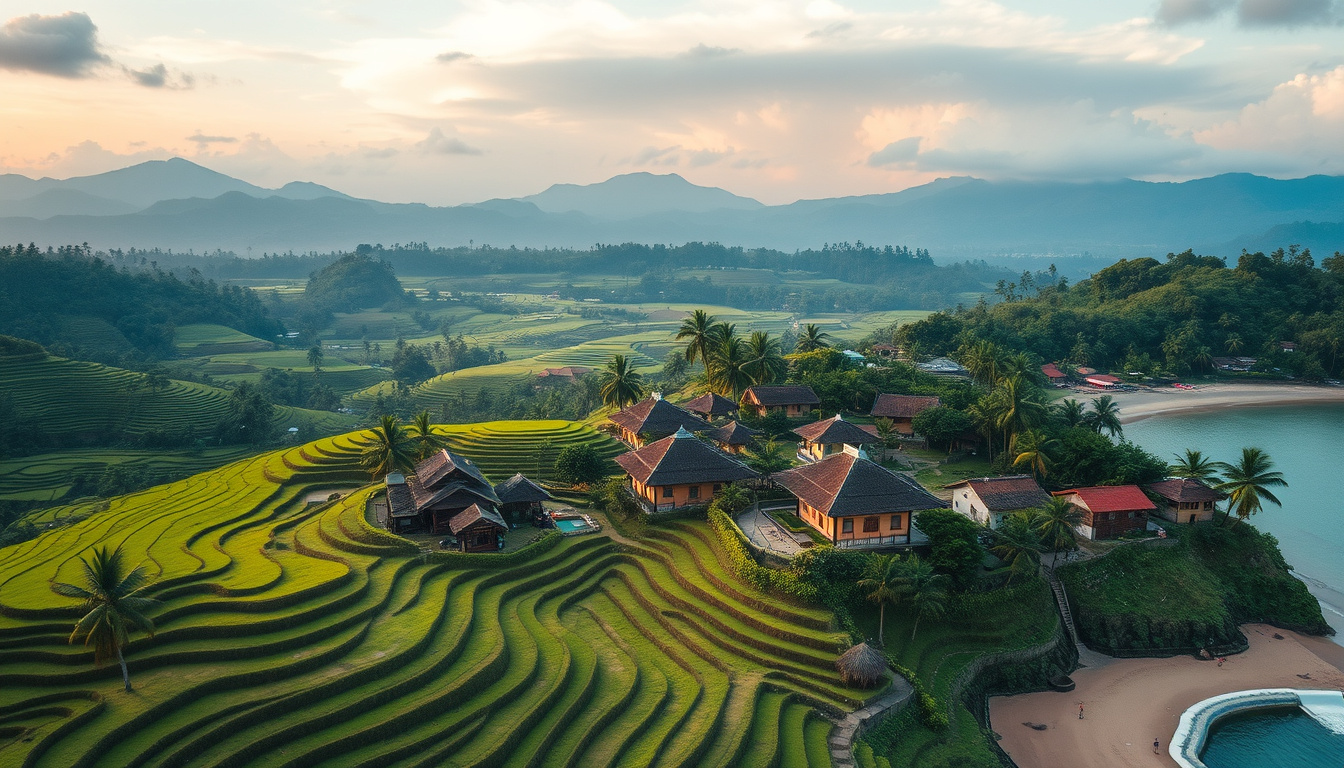
Bali sees approximately half a million tourists monthly, with authorities aiming for an unprecedented 6.5 million international visitors this year. This rapid growth has spurred a construction boom in areas like Munggu village, where around 400 new villas—many foreign-owned—have replaced agricultural wetlands, altering the rural landscape and raising security concerns among residents.
Village chief I Ketut Darta, observing the swift transformation, expressed apprehension over the potential impact on community safety in a locale historically free from violent incidents. “There has never been a shooting here, even fights are rare,” Darta said. “We patrol our village 24 hours a day. Tourism is our lifeblood, and we must protect it.”
Conclusion
As Bali continues to rebuild and attract diverse visitors post-pandemic, the balance between welcoming tourism and maintaining community safety remains fragile. The surge in crime linked to foreign nationals has highlighted vulnerabilities in governance and infrastructure. Locals and experts alike call for strategic responses prioritizing the quality of visitors and stronger law enforcement collaboration to preserve Bali’s renowned peace and hospitality amid changing times.



Add a comment