





Unpacking the Bali Paradox: Are We Loving the Island to Death?
Sunday, 6 July 2025
Bali, often described as a tropical paradise, is experiencing an unprecedented tourism boom. With nearly 6.3 million international visitors recorded in 2024 and a target of 6.5 million tourists in 2025, the island’s popularity shows no signs of waning. On the surface, these figures suggest a thriving economy and a bright future. Yet, beneath this prosperity lies a complex paradox—are these numbers truly beneficial, or is Bali’s rapid growth coming at an unsustainable cost?
The Economic Windfall — But At What Cost?
Tourism undeniably fuels Bali’s economy. According to Bank Indonesia’s Bali office, the tourism sector achieved a Weighted Net Balance of 65.2% in the third quarter of 2024, up notably from the previous quarter’s 40.6%. This surge supports key industries such as accommodation, food services, and real estate development. ANTARA News further highlights tourism’s significant contribution, accounting directly for 25% and indirectly for up to 68% of Bali’s GDP.
However, Terje H. Nilsen, CEO and co-founder of Seven Stones Indonesia, urges a more critical perspective. “The numbers don’t lie, but they don’t tell the whole truth either,” he explains. “More visitors don’t always translate to prosperity for Bali’s people or environment. We’re seeing growth, but growth isn’t always progress.”
Locals and expatriates alike are noticing the strain beneath tourism’s gleaming surface. The island grapples with notorious traffic congestion rivaling even Jakarta’s infamous jams, recurring water shortages, flooding during rainy spells, and swelling trash piles on once pristine beaches. Social media voices reflect growing concern—a tweet remarked, “Bali’s losing its soul to overtourism. How do we fix this before it’s too late? Are we loving the island to death?”
The Environmental and Social Toll of Over-Tourism
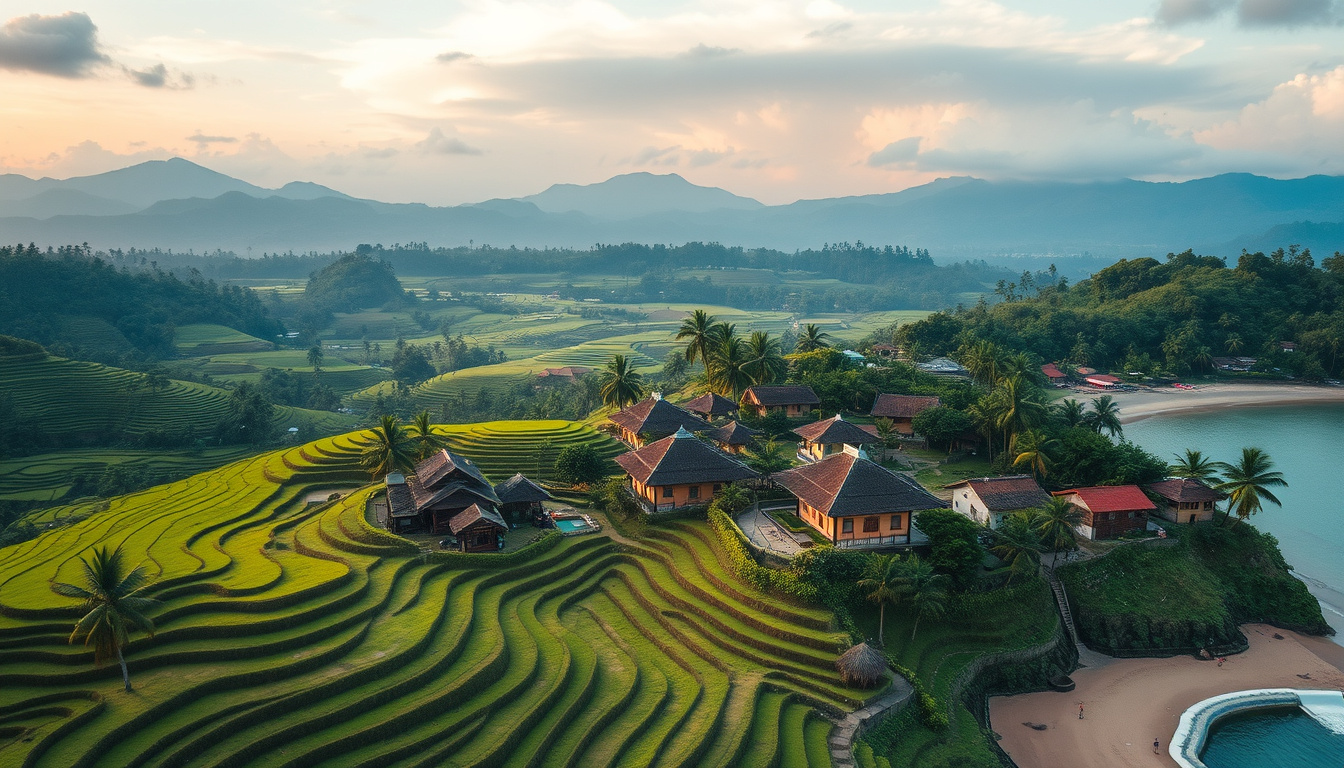
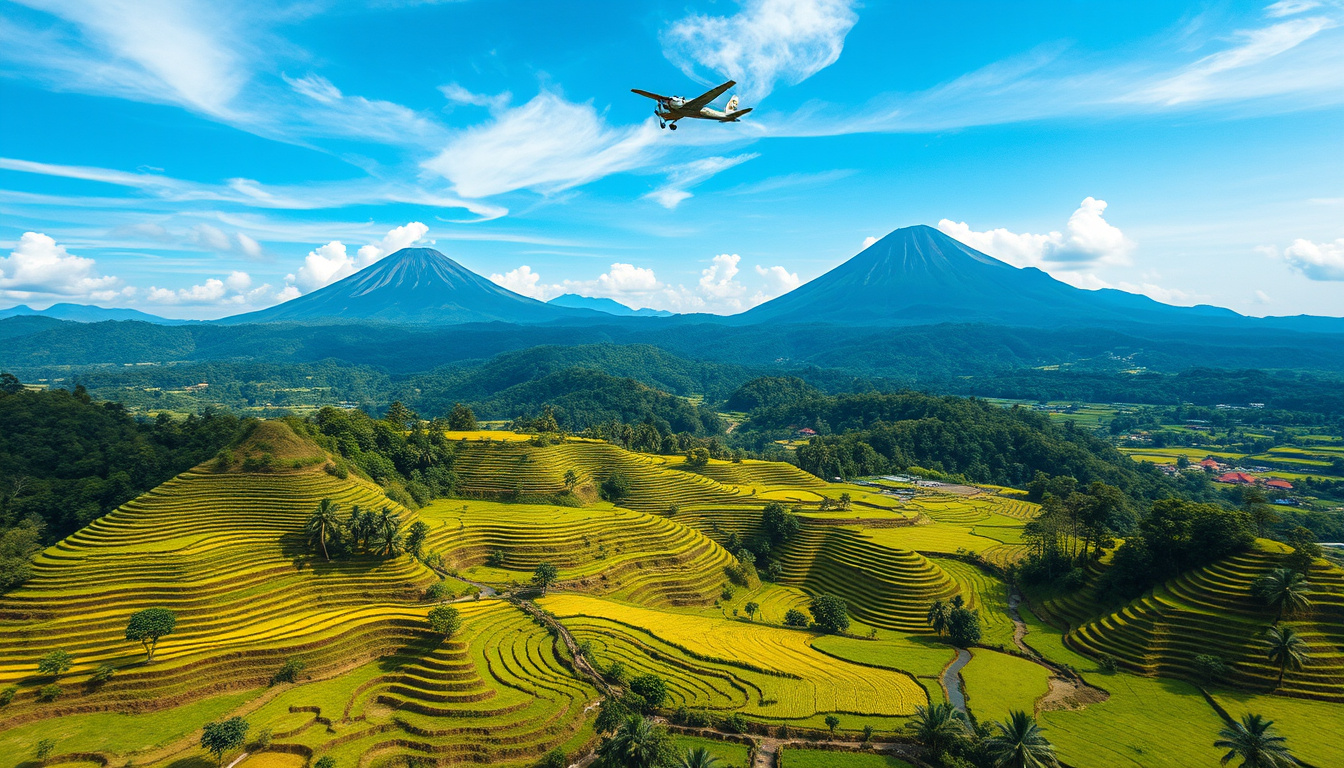
Over-tourism is the heart of Bali’s troubles, and it continues to push the island beyond its limits. A 2018 study by the Transnational Institute revealed that Bali loses approximately 1,000 hectares of agricultural land annually to development. This loss is not only about farmland but also threatens the UNESCO-protected subak irrigation system, a vital link to Bali’s agricultural heritage and cultural identity.
“The conversion of rice fields into villas and estates is not just a loss of farmland—it’s a loss of cultural heritage,” Nilsen emphasizes. “Bali’s identity is tied to its landscapes and traditions. You can’t have one without the other.”
Environmental challenges extend to pollution and natural resource depletion. Water scarcity particularly affects tourist hotspots such as Canggu and Seminyak, where groundwater overuse has become a critical issue. Reports in May 2025 from ANTARA News highlight calls for stricter water usage regulations to preserve Bali’s fragile ecosystem. Minister of Tourism Widiyanti Putri Wardhana, who took office in late 2024, has prioritized eco-friendly tourism in response, advocating during a January 2025 press conference for sustainable practices—but many argue that tangible actions must follow the rhetoric.
Economic disparities have also deepened as tourism development inflates land and living costs. The surge in property prices has made affordable housing increasingly scarce for locals, risking displacement and social fragmentation. Many Balinese find themselves priced out of their own island, pushed to overcrowded areas while investors reap property profits. This economic schism is poignantly captured in a social media post: “Bali’s economy is booming, but for whom? Locals are struggling while investors cash in.”
Protecting Cultural Heritage: A Delicate Balance
Bali’s rich Hindu-Balinese culture, rooted in the Tri Hita Karana philosophy that emphasizes harmony between humans, nature, and the divine, remains a major attraction. Yet, the influx of tourists sometimes manifests in disrespectful behavior, threatening the island’s cultural fabric.
Recent reports from March 2025 document increasing incidents where tourists desecrate sacred spaces, including climbing temple structures, provoking community outrage. “Bali’s culture is not a backdrop for selfies,” Nilsen remarks. “It’s a living tradition that deserves respect.”
Despite government efforts to educate visitors through a list of “do’s and don’ts,” enforcement is often weak. The challenge lies in safeguarding cultural integrity without alienating the very tourists who sustain the economy. New initiatives, such as the Tri Hita Karana Certified Property label promoted during a 2024 Bukit Vista roundtable, encourage accommodations that uphold Balinese values. However, broad adoption requires commitment from developers, tourists, and policymakers alike.
Toward a Strategic Shift: Quality Over Quantity
Many experts, including Nilsen, advocate a shift from mass tourism to a model favoring quality over quantity. The goal is to attract visitors who spend more, stay longer, and respect the island’s culture and environment. This aligns with rising niches such as wellness and eco-tourism.
Concerns remain that reducing visitor numbers might threaten jobs. Yet, redistributing tourism to less-developed areas like Tabanan and Buleleng could offer new opportunities while easing pressure on saturated southern regions. Without careful planning and respect for the island’s cultural fabric, however, such expansion risks simply replicating destructive patterns elsewhere.
Long-term solutions require government foresight and investment. Implementation of robust regulations, sustainable infrastructure development, and educational initiatives is essential to balance growth with preservation.
Infrastructure Challenges and Economic Diversification
Bali’s infrastructure often fails to keep pace with tourism demands. Commuters to popular areas such as Berawa and Pererenan endure severe congestion, especially in rainy conditions when roads flood. Public transportation remains inadequate despite expansions to the Trans Metro Dewata bus system reported in June 2025 and early progress on an MRT project.
Bank Indonesia’s Balinomics 2025 strategy projects a 5.0-to-5.8% economic growth fueled by infrastructure investments, digitalization, and diversification aimed at reducing over-reliance on tourism. Emphasis on agrotourism, agroindustry, and creative sectors like artisanal crafts aims to build resilience and job creation beyond the tourism sector.
“Bali can’t rely on tourism alone,” Nilsen warns. “Supporting local industries and MSMEs creates jobs and resilience.”
A Collective Responsibility for Bali’s Future
Solving Bali’s tourism paradox necessitates cooperation among policymakers, developers, tourists, and locals alike. Minister Wardhana has highlighted this shared responsibility, stating in a February 2025 Tempo article, “Sustainable tourism is a shared goal.”
So, where does Bali go from here? Responsible travel, favoring licensed and eco-friendly accommodations, protecting agricultural land, and supporting traditional cultural values are part of the solution. Investing in education and alternative economic sectors offers hope for a sustainable future.
Social media debates increasingly ask: Can Bali balance economic growth with cultural and ecological preservation? Who truly benefits from the tourism boom? The islands’ future hinges on adopting a new mindset.
As Terje H. Nilsen poignantly summarizes, “Bali’s soul is its people, culture, and nature. Let’s protect that first.”
For more information or private consultations on doing business and investing responsibly in Bali, contact Seven Stones Indonesia at hello@sevenstonesindonesia.com.
Sources: Seven Stones Indonesia, ANTARA News, Transnational Institute, Bukit Vista, Bank Indonesia, Tempo



Add a comment