






Bali Travel Chaos: Volcanic Eruption Causes Major Flight Cancellations
Mount Lewotobi Laki-Laki Erupts, Impacting Travel Plans
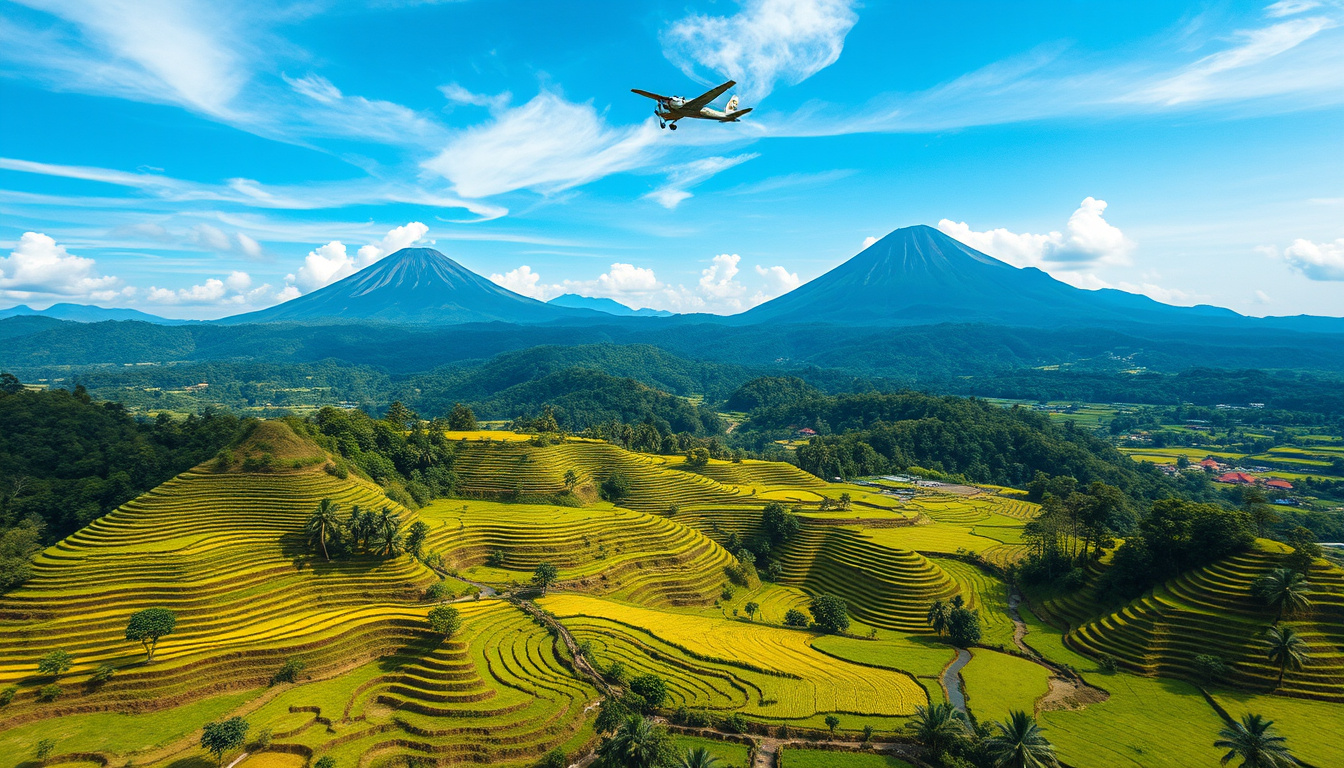
Bali, one of Indonesia’s most cherished tourist destinations, is currently facing significant travel disruptions due to a volcanic eruption from Mount Lewotobi Laki-Laki. The eruption occurred on June 17, 2025, sending a massive ash cloud into the atmosphere and leading to widespread flight cancellations and delays affecting numerous travelers heading to and from the island.
I Gusti Ngurah Rai International Airport in Bali, along with other nearby airports, has been heavily impacted, leaving thousands of travelers stranded or redirected. The eruption has raised safety concerns among visitors, as many are left questioning the status of their bookings and whether to continue their planned trips to Bali.
Current Situation: Eruption Details and Immediate Impact
Mount Lewotobi Laki-Laki, situated in the eastern Nusa Tenggara Timur province, has a long history of volcanic activity. The recent eruption produced an ash cloud that soared more than 10 kilometers into the sky, creating hazardous conditions for air travel. In response, flights to and from Bali—and connecting routes from destinations such as Australia, Malaysia, India, and Singapore—have been either canceled or delayed.
As of the latest reports, over 20 flights have been affected, including those operated by major airlines such as JetStar, Singapore Airlines, and Air New Zealand. Airport authorities have temporarily closed key regional airports like Fransiskus Xaverius Seda Airport in Maumere to safeguard passengers and crews. Fortunately, no fatalities have been reported thus far, and local emergency services are actively managing the situation.
Understanding the Risks of Volcanic Ash
Volcanic ash poses significant dangers for aviation. Its nature allows it to cause serious damage to aircraft:
-
Engine Damage: When volcanic ash enters an aircraft’s engine, it can melt under high temperatures and solidify on essential components, potentially leading to engine failure.
-
Visibility Issues: Ash clouds can severely reduce visibility for pilots, akin to flying through a sandstorm, complicating navigation and increasing the risk of accidents.
-
Structural Damage: The abrasive quality of volcanic ash can erode aircraft surfaces, affecting windows and avionics systems.
Due to these potential hazards, air traffic controls monitor volcanic activity closely and often postpone flights until airspace is declared safe.
Tips for Affected Travelers
Travelers whose flights have been affected by the eruption should take the following steps:
-
Check Airline Updates: Stay informed about your flight status by consulting your airline’s official website or app for real-time information on cancellations, delays, and rebooking procedures.
-
Know Your Rights: Airlines are typically required to rebook passengers on the next available flight if their original flight is canceled. If you prefer not to reschedule, you may be entitled to a refund.
-
Contact Your Travel Insurance Provider: If you have travel insurance, clarify what coverage is available for disruptions caused by natural events, including volcanic eruptions.
-
Prioritize Safety: For those already in Bali or nearby areas, adhere to any local advisories or evacuation procedures issued by authorities. Ensure you are updated through local news and government channels.
Traveling to Bali: What to Expect
Despite the eruption, Bali mostly remains unaffected as much of the island is situated at a safe distance from the volcano. Daily life continues for a significant portion of its residents and visitors, and various tourist activities remain operational. Travelers are still encouraged to act with caution and stay aware of any developments regarding volcanic activity.
Staying Informed and Prepared
To remain safe during your travels, keep these pointers in mind:
-
Follow Updates: Regularly visit the Volcanology and Geological Disaster Mitigation Center (PVMBG) for updates on volcanic activity.
-
Obey Local Guidelines: If you find yourself in the vicinity of the volcano, follow directives from the National Disaster Management Agency for safety.
-
Be Prepared for Changes: If visiting areas close to the volcano, be prepared for potential closures or restrictions on safety grounds.
Conclusion: Navigating the Current Landscape of Bali Travel
The eruption of Mount Lewotobi Laki-Laki underscores the unpredictable nature of volcanic activity in Indonesia, a country known for its geological dynamism. While the current situation has disrupted travel for many, with diligent preparation and attention to safety protocols, travelers can still explore the wonders of Bali and nearby regions.
With its breathtaking landscapes and vibrant culture, Bali continues to hold its status as a premier travel destination. For anyone planning a trip, staying informed and adaptable will be key to having a positive travel experience amid the ongoing changes.



Add a comment